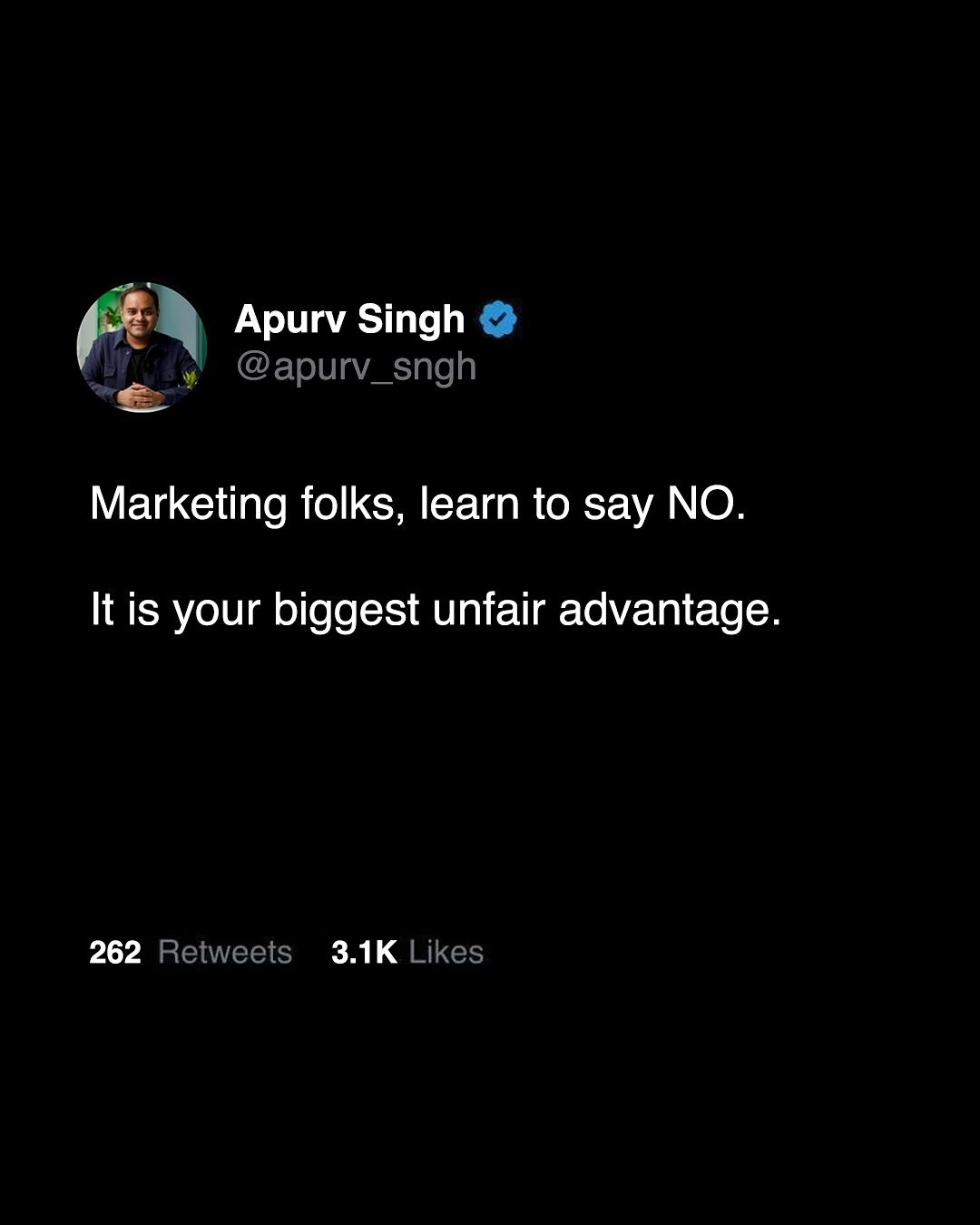
Marketing: The Power of Saying No
Marketing is a dynamic field that demands both hard and soft skills. While hard skills are crucial for executing tasks, soft skills such as communication, negotiation, and decision-making are equally important for long-term success. This article delves into the strategic importance of saying no to opportunities, focusing on goals, and building a strong positioning in marketing.
Why This Matters
In the fast-paced world of marketing, opportunities are abundant. However, not all opportunities align with your long-term goals or brand positioning. Learning to say no to certain opportunities can be a game-changer. This strategic approach allows you to focus on what truly matters, ensuring that your efforts are directed towards achieving your real goals.
The Art of Saying No
Understanding the Opportunity Cost
Every "yes" you utter is a silent "no" to something else. This concept, known as opportunity cost, is fundamental in marketing. When you say yes to a project, partnership, or campaign, you are simultaneously saying no to other potential ventures. This can lead to a scattered focus and diluted efforts. By carefully selecting which opportunities to pursue, you can ensure that your resources are allocated to the most impactful projects.
Building Strong Positioning
One of the key takeaways from the advice is the importance of building a strong positioning. Instead of chasing opportunities, the goal should be to create a positioning that is so compelling that opportunities come to you. This involves defining your unique value proposition, understanding your target audience, and consistently delivering on your brand promise. A strong positioning not only attracts the right opportunities but also helps in filtering out those that do not align with your goals.
Winning Quietly and Permanently
The idea of winning quietly and permanently is about focusing on sustainable growth rather than short-term gains. This approach emphasizes the importance of long-term strategies over quick wins. By saying no to opportunistic ventures and focusing on building a strong brand, you can achieve lasting success. This strategy ensures that your efforts are directed towards creating a robust foundation that can withstand market fluctuations and competition.
Practical Tips for Implementing This Strategy
Evaluate Opportunities Against Your Goals
Before saying yes to any opportunity, evaluate how it aligns with your long-term goals. Create a checklist of criteria that every opportunity must meet, such as alignment with your brand values, potential for long-term growth, and resource availability. This systematic approach helps in making informed decisions and avoiding distractions.
Develop a Strong Positioning Statement
A strong positioning statement clearly defines who you are, what you do, and why it matters. It should be concise, memorable, and compelling. Use it as a filter for evaluating opportunities. If an opportunity does not align with your positioning statement, it is likely not worth pursuing.
Communicate Your Positioning Clearly
Once you have developed a strong positioning statement, communicate it clearly to your audience, stakeholders, and potential partners. This helps in attracting the right opportunities and setting clear expectations. Make sure your messaging is consistent across all channels, reinforcing your unique value proposition.
Focus on Long-Term Strategies
Shift your focus from short-term gains to long-term strategies. This involves investing in initiatives that have the potential for sustainable growth, even if they do not yield immediate results. Prioritize projects that build your brand equity, enhance your expertise, and create lasting value for your audience.
Important Takeaways
-
Saying No Can Be a Strategic Advantage: Learning to say no to opportunities that do not align with your goals can be a strategic advantage, allowing you to focus on what truly matters.
-
Opportunity Cost: Every "yes" is a silent "no" to something else. Be mindful of the opportunity cost of your decisions.
-
Build a Strong Positioning: Develop a strong positioning that attracts the right opportunities and helps in filtering out those that do not align with your goals.
-
Win Quietly and Permanently: Focus on long-term strategies for sustainable growth rather than short-term gains.
Conclusion
In the world of marketing, saying no can be a powerful tool for achieving long-term success. By understanding the concept of opportunity cost, building a strong positioning, and focusing on sustainable growth, you can ensure that your efforts are directed towards achieving your real goals. Embrace the power of saying no and watch as your marketing strategies become more effective and impactful.
Questions readers ask
Why is it important to say 'no' in marketing?
Saying 'no' in marketing is crucial because it helps you prioritize opportunities that align with your long-term goals and brand positioning. By declining distractions, you can allocate resources more effectively and maintain a strong, sustainable marketing strategy.
How can I evaluate which marketing opportunities to pursue?
To evaluate marketing opportunities, consider how they align with your overall marketing strategy and long-term business objectives. Assess the potential return on investment (ROI), the resources required, and the impact on your brand’s positioning.
What are the benefits of focusing on long-term goals in marketing?
Focusing on long-term goals in marketing helps build a strong, sustainable brand positioning. It allows you to develop a cohesive strategy, allocate resources wisely, and create a consistent message that resonates with your target audience. This approach can lead to lasting success and customer loyalty.
When is the right time to say 'no' to a marketing opportunity?
The right time to say 'no' to a marketing opportunity is when it doesn't align with your long-term goals, requires more resources than you can afford, or could potentially dilute your brand's message. Always consider the opportunity in the context of your overall marketing strategy and long-term objectives.
How can saying 'no' improve my marketing strategy?
Saying 'no' can improve your marketing strategy by allowing you to focus on high-priority initiatives that drive growth and align with your long-term vision. It helps in maintaining a consistent brand image and prevents the dilution of resources that can occur when chasing every opportunity.
What are some strategies for declining marketing opportunities politely?
To decline marketing opportunities politely, be transparent about your reasons. Explain that while the opportunity is interesting, it doesn't align with your current strategy or goals. Thank them for considering you and express your willingness to collaborate in the future if a more suitable opportunity arises.
How does saying 'no' contribute to sustainable marketing positioning?
Saying 'no' contributes to sustainable marketing positioning by ensuring that your brand remains consistent and focused. It prevents you from spreading your resources too thin and allows you to build a strong, recognizable identity in the market over time.
Recent articles
Fresh deep dives from the latest Reels we unpacked.




Comments
Be the first to comment.