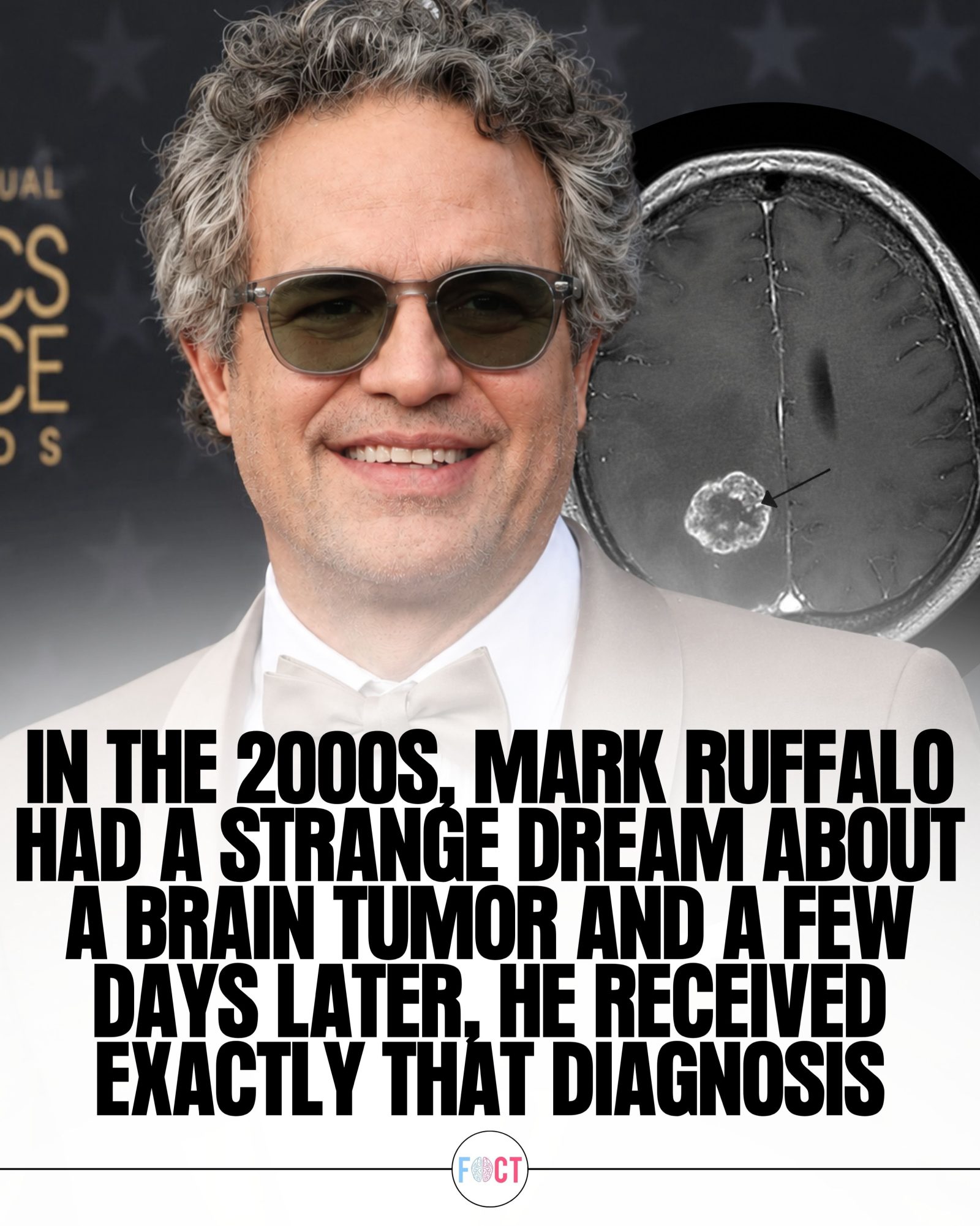
The Strange Coincidence: Mark Ruffalo's Uncanny Dream and Diagnosis
Mark Ruffalo's life took an unexpected turn in 2001 during the filming of The Last Castle. He woke from a vivid dream with the strong conviction that he had a brain tumor. Despite having few obvious symptoms, he confided in the film’s doctor, who arranged for a scan. The results revealed a benign acoustic neuroma behind his left ear, confirming the strange premonition. This anecdote reveals the complex relationship between our subconscious and physical health, as well as the natural history of acoustic neuromas.
The Context of the Dream
The human brain is a mystery in itself, and our dreams reflect the vast, unexplored landscapes of our subconscious. Dreaming vividly about a medical condition and then having it confirmed in reality is an exceptional yet documented phenomenon. For Ruffalo, this coincidence was profound and life-altering. The circumstances surrounding his experience raise intriguing questions about the relationship between dreams and our physical state.
The Science of Dreams and Health
Dreams are complex mental activities that occur during the rapid eye movement (REM) phase of sleep. They can be influenced by a variety of factors, including stress, emotional experiences, and even physiological changes in the body. While the exact mechanisms by which dreams can reflect a person's future medical condition are not fully understood, evidence suggests that our brains can process complex information subconsciously, sometimes leading to prophetic dreams.
Research has shown that our brains can detect changes in the body that we might not consciously perceive. This sensitivity to internal changes could explain why some people experience dreams that predict serious health conditions. In Ruffalo’s case, the dream might have been his brain's way of processing subtle, subconscious cues that something was amiss.
Understanding Acoustic Neuromas
Acoustic neuromas, also known as vestibular schwannomas, are benign tumors that develop on the vestibulocochlear nerve, which connects the inner ear to the brain. These tumors are typically slow-growing and non-cancerous, but they can cause significant symptoms as they grow, including hearing loss, balance issues, and facial paralysis.
The tumor Ruffalo had was behind his left ear, a common location for acoustic neuromas. The tumor's size, approximately that of a golf ball, likely contributed to the symptoms he felt post-surgery, including temporary facial paralysis and permanent deafness in his left ear. Despite these challenges, Ruffalo's recovery and return to acting are a testament to the resilience of the human body and spirit.
The Impact of Ruffalo’s Experience
Immediate Consequences and Recovery
When Ruffalo was first diagnosed, the tumor’s size posed a significant challenge. The surgery to remove it left him temporarily paralyzed on one side of his face and permanently deaf in his left ear. These were severe but manageable complications, especially for an actor whose career often relies on their physical abilities and senses. However, Ruffalo’s recovery was gradual, and he eventually returned to acting, showcasing his resilience and determination.
Long-term Effects and Adaptations
Permanent deafness in the left ear, while challenging, is not necessarily a career-ending condition for an actor. Ruffalo has likely learned to adapt to this change, using hearing aids or other assistive devices. His experiences have also given him a unique perspective on health and medicine, which he often shares with others. Dealing with a life-changing event like this can foster empathy and understanding in ways that benefit both the individual and their community.
Practical Tips for Recognizing and Addressing Health Concerns
While Ruffalo’s case is extraordinary, it highlights the importance of paying attention to our bodies and minds. Here are some practical tips for recognizing and addressing potential health concerns:
Paying Attention to Dreams
Dreams can sometimes be more than just random mental activity. If you experience a recurring or particularly vivid dream about a serious health issue, it might be worth discussing with a healthcare professional. While dreams are not a diagnostic tool, they can sometimes serve as a warning sign that something in the body needs attention.
Regular Health Check-ups
Even if you feel fine, regular check-ups with a healthcare provider can help detect health issues early. Many conditions, like acoustic neuromas, are treatable when caught early, but they may have few or no symptoms in the initial stages. Routine physicals and screenings can provide peace of mind and early detection of potential health problems.
Trusting Your Instincts
Sometimes, your body or mind may alert you to a problem before any symptoms manifest. Trusting your instincts and seeking medical advice when something feels wrong can lead to early detection and treatment of health issues. If you have a strong feeling that something is amiss, don’t hesitate to reach out to a healthcare professional.
Important Takeaways
Ruffalo’s experience highlights the importance of paying attention to our dreams and instincts, as well as the value of regular health check-ups. Here are some key takeaways:
- Dreams can sometimes reflect underlying health issues that may not yet be apparent.
- Acoustic neuromas are treatable but require early detection and appropriate intervention.
- Addressing health concerns early can improve outcomes and reduce complications.
- Resilience and adaptability are crucial in the face of health challenges.
Conclusion
Mark Ruffalo’s experience with a mysterious dream and a subsequent diagnosis of a brain tumor underscores the intricate connection between our subconscious and our physical health. While the exact mechanisms behind such phenomena remain largely unexplored, this story serves as a reminder to pay attention to our bodies and minds. Regular health check-ups, trusting our instincts, and addressing health concerns early can make a significant difference in our overall well-being. Ruffalo’s journey is a testament to the strength of the human spirit in the face of adversity and the power of resilience in overcoming health challenges.
Questions readers ask
Why did Mark Ruffalo seek a medical diagnosis after his 2001 dream?
Mark Ruffalo sought a medical diagnosis after his dream because he had a strong intuition that something was wrong. He felt compelled to confide in the doctor on the set of 'The Last Castle' which resulted in a scan of his brain. The scan revealed a benign acoustic neuroma behind his left ear.
What type of tumor was Mark Ruffalo diagnosed with as a result of his dream?
After the scan, Mark Ruffalo was diagnosed with a benign acoustic neuroma. This type of tumor grows on the nerve that connects the inner ear and the brain, which is known as the vestibulocochlear nerve. It's typically slow-growing and often does not show many symptoms.
Is it common for dreams to lead to a medical diagnosis?
While it is uncommon for dreams to lead to a medical diagnosis, it is not unheard of. Sometimes, the subconscious mind may pick up on physical changes that the conscious mind is not yet aware of, leading to vivid and prophetic dreams.
What are the typical symptoms of an acoustic neuroma?
Acoustic neuromas often cause gradual hearing loss, tinnitus (ringing in the ear), and balance problems. However, in many cases, these symptoms are mild and develop slowly, making them easy to overlook. Some people might not experience any symptoms at all, especially in the early stages.
How did Mark Ruffalo's experience highlight the connection between dreams and health?
Mark Ruffalo's experience highlights the connection between dreams and health by demonstrating how the subconscious mind can sometimes process physical changes and alert us to potential health issues, even when those issues are not yet apparent to our conscious mind.
What is an acoustic neuroma, and what causes it?
An acoustic neuroma is a benign tumor that develops on the nerve responsible for transmitting sound and balance information from the inner ear to the brain. The exact cause of acoustic neuromas is not known, but they are believed to be related to genetic factors and may be associated with conditions like neurofibromatosis type 2.
Related deep dives
Similar reads based on topic and creator.


Recent articles
Fresh deep dives from the latest Reels we unpacked.




Comments
Be the first to comment.