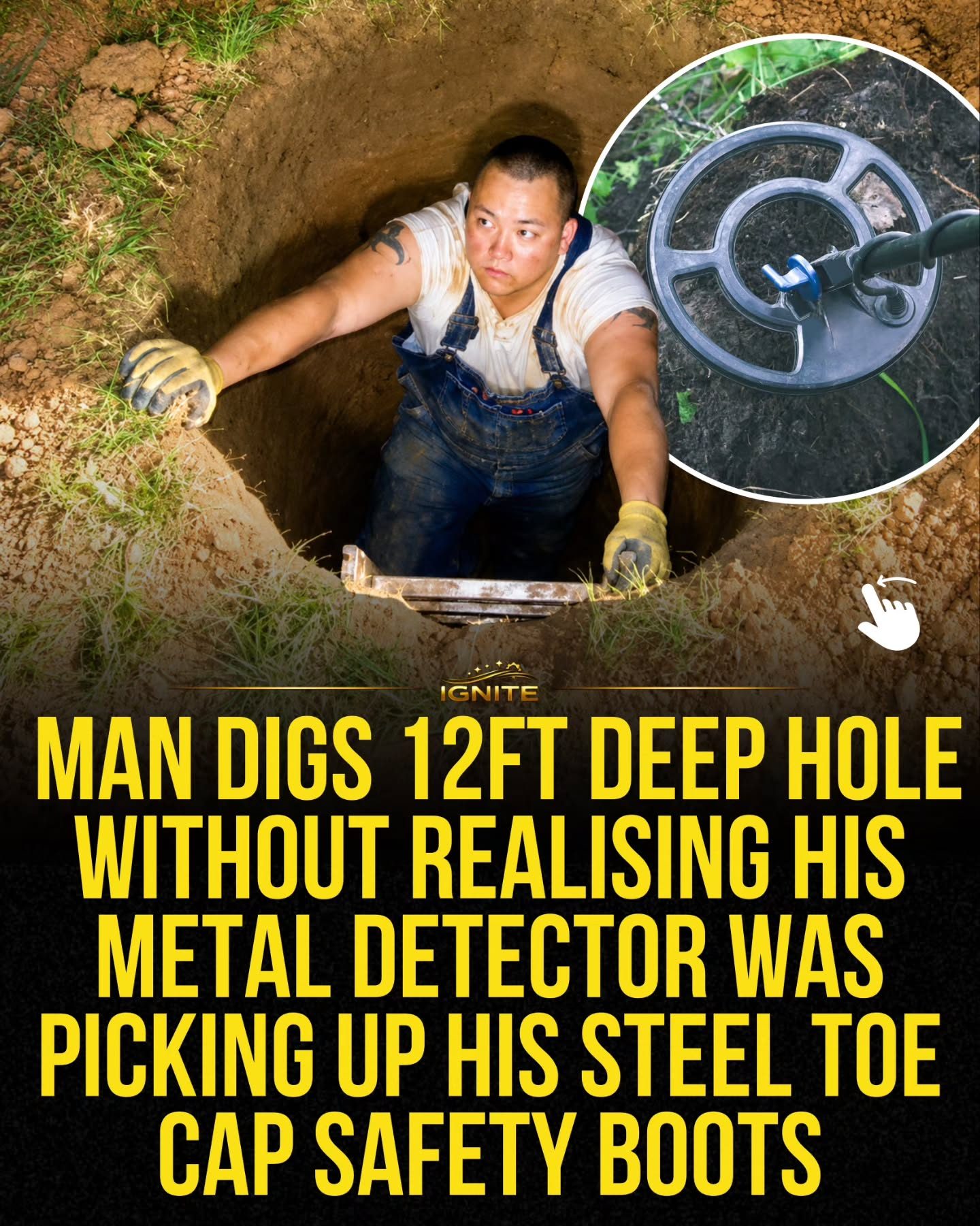
Metal Detector Mishap
Metal detectors are fascinating tools that allow enthusiasts to uncover hidden treasures beneath the surface. However, they can sometimes lead to unexpected and humorous situations, as seen in a recent incident involving a man and his IGNITE metal detector. This mishap underscores the importance of understanding how metal detectors work and the potential for interference from everyday items.
Context / Why This Matters
Metal detectors are widely used by hobbyists, archaeologists, and even beachcombers to find various metal objects, from coins and jewelry to historical artifacts. However, these devices can sometimes pick up signals from unexpected sources, leading to confusion and frustration. The incident involving the IGNITE metal detector highlights a common but often overlooked issue: interference from everyday items like steel-toe cap safety boots.
Unexpected Interference
The Incident
A man using an IGNITE metal detector found himself in a peculiar situation. While digging a deep hole with a shovel, the metal detector began picking up strong signals. Unaware of the source, he continued digging, only to realize later that the signals were coming from his steel-toe cap safety boots. This unexpected interference led to a 12-foot deep hole, far deeper than initially intended.
Understanding Metal Detector Signals
Metal detectors work by emitting an electromagnetic field and detecting changes in that field caused by metallic objects. However, not all metals are created equal. Ferrous metals, like those found in steel-toe cap boots, can produce strong signals that metal detectors easily pick up. This is why it's crucial to be aware of the materials in your surroundings and how they might affect your metal detector's readings.
Practical Tips for Metal Detecting
Know Your Equipment
Before setting out, familiarize yourself with your metal detector's settings and capabilities. Different models have varying levels of sensitivity and discrimination, which can help you filter out unwanted signals. The IGNITE metal detector may have specific settings that can help reduce interference from everyday items.
Check Your Gear
Always inspect your clothing and gear for metallic components that could interfere with your metal detector. Steel-toe cap boots, belt buckles, and even zippers can produce false signals. Opt for non-metallic alternatives or adjust your detector's settings to filter out these unwanted signals.
Scan the Area
Before you start digging, scan the area with your metal detector to get a sense of the signals present. This can help you identify potential sources of interference and avoid unnecessary digging. If you detect strong signals from an unexpected source, investigate further before proceeding.
Digging Techniques
When you've identified a potential target, use a shovel to carefully dig around the area. This will help you avoid damaging the object you're searching for and prevent the needless destruction of your surroundings. If you're unsure about the source of a signal, consider using a pinpointer—a handheld device that helps you zero in on the exact location of a metallic object.
Important Takeaways
- Interference can come from unexpected sources: Be mindful of the materials in your surroundings and how they might affect your metal detector's readings.
- Familiarize yourself with your equipment: Know your metal detector's settings and capabilities to avoid false signals.
- Always inspect your gear: Check your clothing and equipment for metallic components that could interfere with your metal detector.
- Scan the area before digging: This can help you identify potential sources of interference and avoid unnecessary digging.
Conclusion
The incident involving the IGNITE metal detector serves as a reminder of the importance of understanding your equipment and being aware of potential sources of interference. By following practical tips and using the right techniques, you can minimize false signals and maximize your chances of finding hidden treasures. Happy hunting!
Questions readers ask
Why did the man's metal detector react to his boots?
The man's IGNITE metal detector reacted to his steel-toe cap safety boots because the metal in the boots triggered the detector's sensors, causing it to signal to the man that there were metal objects nearby. This is a common issue when using a metal detector in areas with ferrous metal.
What should the man have done to avoid this mistake?
The man should have checked the area for any metallic objects that could potentially interfere with the metal detector. He should have also scanned his body and equipment, including his boots, before beginning his search. This would have helped him identify the source of the interference and avoid unnecessary digging.
What are some common items that can interfere with a metal detector?
Common items that can interfere with a metal detector include jewelry, keys, belt buckles, and other metallic objects. Even everyday items like steel-toe boots, zippers, or coins in your pocket can cause a metal detector to signal. It's important to be aware of your surroundings and the items you are carrying while using a metal detector.
How can I prevent false signals when using a metal detector?
Regularly check your body and belongings for any metallic objects that may cause interference. Before each use, clean and inspect your detector to ensure it is in good working condition. Additionally, familiarize yourself with the settings on your metal detector to help minimize unwanted signals.
What are some safety tips for using a metal detector?
Always be aware of your surroundings and potential hazards. This includes being aware of other people and pets in the area. Wear appropriate clothing and footwear for the terrain, and always respect private property. Additionally, always dig carefully, ensuring that you do not damage any property or disturb any potential hazards.
What should I do if my metal detector keeps signaling in the same spot?
If your metal detector keeps signaling in the same spot, it could be due to a variety of reasons, such as interference from nearby metallic objects, or a deep, large metal object. First, check the area for any visible metallic objects that could be causing the interference. If the signals persist, consider using a pinpointer to help you locate the object more accurately. This can help you avoid unnecessary digging and frustration.
What are some best practices for using a metal detector?
Before using a metal detector, familiarize yourself with the device's settings and features. Regularly check your metal detector for any damage or malfunctions. Always be aware of your surroundings and potential hazards, and dig carefully to avoid damaging any property. Additionally, respect private property and get permission before searching on someone else's land. Finally, always follow local laws and regulations.
Related deep dives
Similar reads based on topic and creator.




Recent articles
Fresh deep dives from the latest Reels we unpacked.




Comments
Be the first to comment.