Creative Fence Solutions
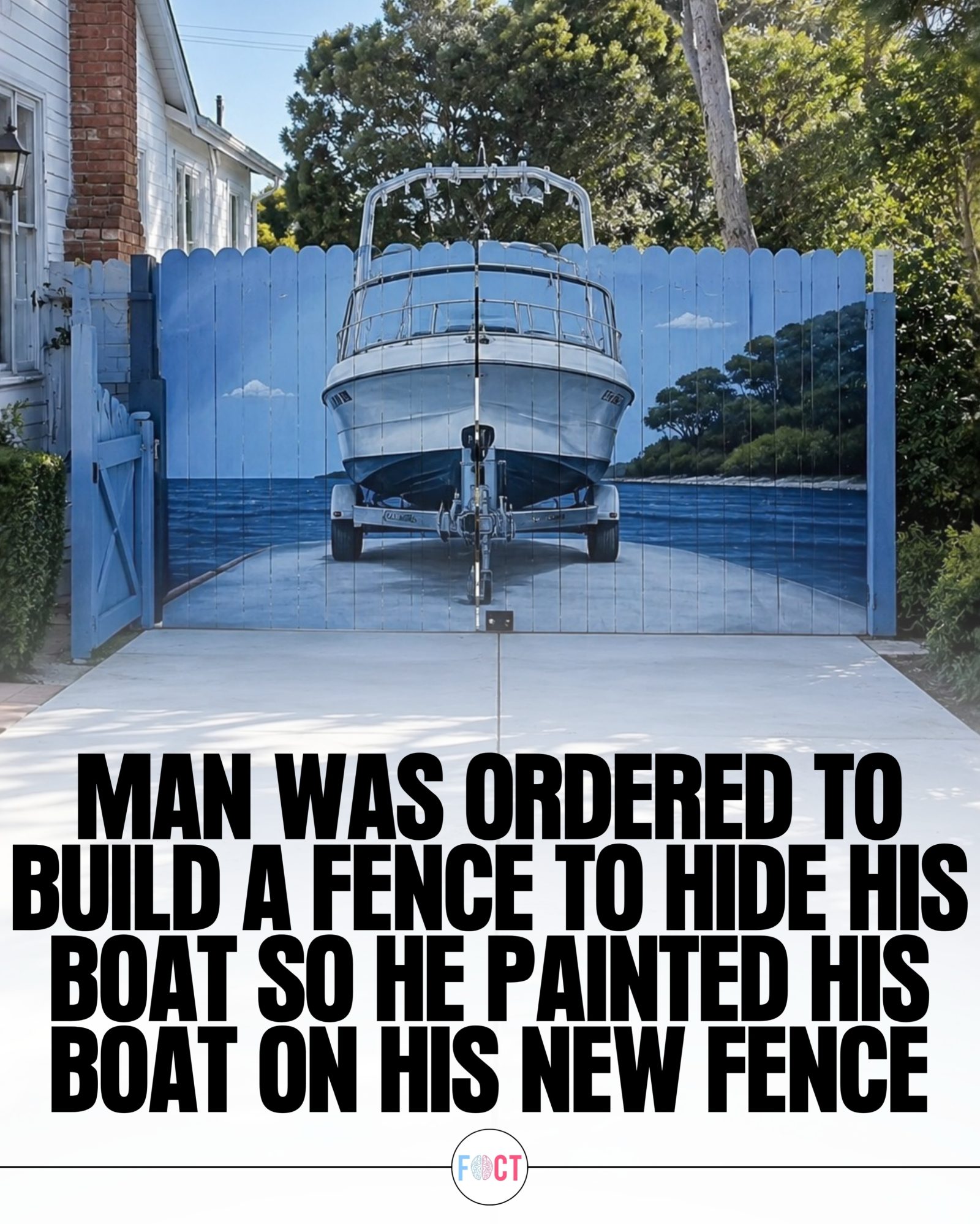
The homeowner Etienne Constable faced a common neighborhood issue: city officials ordered him to hide his boat behind a six-foot wall. Instead of simply building a fence and completing the task, he turned the situation into an artistic statement. This innovative approach transformed a mundane requirement into a unique and memorable feature, demonstrating how creative problem-solving can enhance home improvement projects.
Context / Why this matters
Fences serve both functional and aesthetic purposes in home design. Functionally, they provide privacy, security, and boundaries. Aesthetically, they can enhance a property's curb appeal. When homeowners are faced with regulations or zoning restrictions, the design and placement of a fence are crucial. This is especially true for property owners with unique items like boats or other recreational vehicles. Rather than letting regulations limit creativity, homeowners can use these opportunities to make their properties stand out.
Main discussion
From Obligation to Art
When city officials ordered Etienne Constable to hide his boat, he could have simply erected a plain fence. Instead, he opted to paint a hyper-realistic version of his boat directly onto the fence. This creative solution not only complied with the neighborhood’s rules but also turned a potential eyesore into a striking piece of art.
The Power of Perspective
Constable’s approach demonstrates the power of perspective in creative problem-solving. A fence, ordinarily a mundane barrier, became a canvas for artistic expression. His hyper-realistic painting technique ensured that the fence didn’t just hide the boat; it showcased it in a unique way. This approach highlights the potential for transforming functional necessities into visually striking features.
Hyper-Realism in Home Improvement
One of the key elements of Constable’s creative solution is the use of hyper-realism. This painting technique, which creates an almost photographic likeness, is often used in art to blur the line between reality and illusion. By applying this technique to his fence, Constable turned a functional structure into a visually compelling piece of art. Hyper-realism can be a powerful tool in home improvement, allowing property owners to add depth and complexity to their designs.
Regulatory Constraints and Creativity
Government regulations are often seen as limiting, but they can also be a source of inspiration. In Constable’s case, the requirement to hide his boat behind a fence became an opportunity to create something memorable. By thinking outside the box, he not only met the regulations but also created a unique and artistic feature that enhances his property. This approach can be a valuable lesson for homeowners who want to add a personal touch to their homes while adhering to local regulations.
Practical tips
Assess Your Regulations
Before starting any home improvement project, it’s essential to understand the local regulations and zoning laws. This can help you identify opportunities to comply with regulations in creative ways. Regulations are often in place for safety, privacy, or aesthetic reasons, so understanding the underlying intent can help you find innovative solutions.
Consider the Canvas
Fences, walls, and other structural elements can serve as canvases for artistic expression. Whether you opt for painting, murals, or other forms of decoration, these elements can enhance the overall aesthetic of your property. Consider how you can turn these functional structures into visually appealing features.
Think Outside the Box
When faced with home improvement challenges, it’s tempting to opt for traditional solutions. However, thinking outside the box can lead to innovative and creative outcomes. By approaching problems with an open mind, you can find unique solutions that not only meet your needs but also add value to your property.
Choose Your Art Style
Artistic expression comes in many forms, and hyper-realism is just one example. Depending on your preference and skill level, you might choose abstract art, murals, or even digital prints. The key is to select a style that complements your property and reflects your personal taste.
Seek Professional Help
If you’re not confident in your artistic abilities, consider hiring a professional artist or designer. They can help you transform your home improvement projects into visually stunning works of art. Look for a professional with a style that aligns with your vision and budget.
Important takeaways
- Creative problem-solving can turn regulatory constraints into opportunities for artistic expression
- Fences and other home structures can serve as canvases for unique and visually striking art
- Hyper-realism and other artistic techniques can transform functional structures into visually compelling features
- Local regulations and zoning laws should be considered as a starting point for innovative home improvement projects
- Combining functionality and artistry can enhance home value and curb appeal
Conclusion
Etienne Constable’s approach to a neighborhood requirement showcases the power of creativity in home improvement. By transforming a functional fence into a unique work of art, he turned a mundane necessity into a memorable feature. This example underscores the value of thinking outside the box and using local regulations as a springboard for creative solutions. Whether you’re dealing with the need to hide an eyesore or simply looking to enhance your property’s visual appeal, embracing artistic expression is a powerful tool for achieving your goals.
Questions readers ask
How did Etienne Constable address the city's fence requirement?
Etienne Constable was required by city officials to conceal his boat with a six-foot fence. Instead of simply installing a plain fence, he chose to transform the fence into a striking, artistic mural, thus addressing the requirement in a creative and visually appealing way.
What inspired Etienne Constable to create a mural on his fence?
Etienne Constable was inspired by the challenge of a city mandate to hide his boat with a fence. Instead of viewing this as a mere obstacle, he saw an opportunity to turn a functional requirement into a unique and artistic feature that would enhance his property's appearance.
How can homeowners make the most of city fence requirements?
Homeowners can transform city fence requirements into opportunities for artistic expression. By choosing unique designs or even murals, they can add character to their property, making it stand out in the neighborhood while still complying with regulations.
What are some creative fence painting ideas to hide a boat?
To hide a boat with a fence, consider painting the fence in a vibrant color, featuring nautical themes or landscapes on the fence, or even incorporating a mural that represents a scenic seaside view. This not only masks the boat but also creates an aesthetically pleasing feature for the home.
How do murals on fences enhance home improvement projects?
Murals on fences can significantly enhance home improvement projects by turning a plain, functional structure into a piece of art. This artistic transformation can make a property more memorable, potentially increase its curb appeal, and even inspire creative solutions for other home design challenges.
What are the benefits of artistic fence design in home improvement?
Artistic fence design in home improvement offers both functional and aesthetic benefits. It provides the necessary privacy and boundary definition while also enhancing the visual appeal of the property. Additionally, it allows homeowners to express their creativity and make their home stand out.
How can a fence transformation inspire other homeowners?
When homeowners like Etienne Constable transform a simple fence into a beautiful mural, it showcases the potential for creative problem-solving in home improvement. This can inspire other homeowners to think beyond conventional solutions and find ways to add aesthetic value to their own properties, even when dealing with regulatory requirements.
Recent articles
Fresh deep dives from the latest Reels we unpacked.




Comments
Be the first to comment.