Marmots and the Curiosity of Wildlife Encounters
Marmots are fascinating creatures known for their curiosity and bold behavior, often approaching humans without hesitation. These ground-dwelling rodents are members of the squirrel family and are native to various regions around the world, including North America, Europe, and Asia.
Context: Wildlife Encounters and Conservation
Wildlife encounters, such as meeting a marmot in the field, offer a unique opportunity to observe and appreciate the natural world. These experiences are not only entertaining but also provide valuable insights into the behavior and habits of wild animals.
Marmots are particularly interesting due to their social structure and communication methods. They live in colonies and use a variety of vocalizations and body language to communicate with each other. Understanding these behaviors can enhance our appreciation for these creatures and the ecosystems they inhabit.
The Marmot Encounter: A Closer Look
Intricate Details of a Marmot
Marmots are distinguished by their stocky build, short legs, and bushy tails. Their fur is typically a mix of brown and gray, which helps them blend into their rocky environments. One of the most striking features of marmots is their whistling call, which they use to alert others in their colony of potential danger.
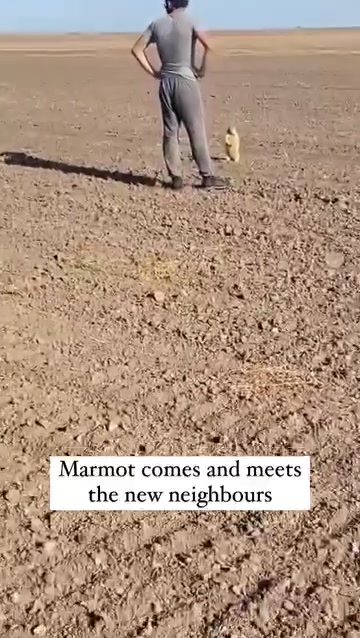
During the encounter, the marmot exhibits a curious and almost fearless demeanor, approaching the man closely. This behavior is common among marmots, especially if they have grown accustomed to human presence.
Observing Body Language
Body language plays a crucial role in wildlife encounters. The marmot's posture and movements can reveal a lot about its emotions and intentions. For instance, a relaxed and upright posture indicates curiosity, while a defensive stance might signal fear or aggression.
In the encounter, the marmot's body language suggests a mix of curiosity and caution. It seems to assess the man's intentions, gradually moving closer to investigate. This behavior is characteristic of marmots, which are known for their inquisitive nature.
Human Interaction and Wildlife
Human interaction with wildlife can have both positive and negative effects. Positive interactions can lead to increased awareness and conservation efforts, while negative interactions can disrupt the natural behavior of animals and potentially harm them.
It's essential to approach wildlife encounters with respect and caution. Observing from a distance and avoiding sudden movements can help minimize stress for the animals. In this encounter, the man allows the marmot to approach on its terms, providing a safe and non-threatening environment.
Practical Tips for Wildlife Viewing
Safety First
Always prioritize safety when encountering wildlife. Maintain a safe distance and avoid feeding or touching the animals. This helps ensure their well-being and prevents potential conflicts.
Be Patient
Patience is key when observing wildlife. Allow the animals to approach you if they choose to do so, and avoid making sudden movements or loud noises.
Educate Yourself
Learn about the behavior and habits of the wildlife you encounter. This knowledge can enhance your appreciation for these creatures and help you understand their actions.
Respect Their Space
Respect the animals' space and natural behaviors. Do not interfere with their activities, and avoid disrupting their habitats.
Document Responsibly
Documenting wildlife encounters through photography or videography can be a rewarding experience. However, it's important to do so responsibly, ensuring that your actions do not cause distress to the animals.
Important Takeaways
Marmots are fascinating creatures with unique behaviors and social structures. Encountering a marmot in the wild can provide valuable insights into their world and promote a deeper appreciation for wildlife.
Understanding the intricate details of a marmot's behavior, body language, and natural habits can enhance your experience and help you interact with these creatures responsibly. Remember to approach wildlife encounters with respect, patience, and a willingness to learn.
Marmots are just one example of the diverse and captivating wildlife that inhabits our planet. By observing and appreciating these creatures, we can foster a greater connection to nature and inspire conservation efforts to protect their habitats.
Conclusion
The encounter with a marmot in a field highlights the curiosity and boldness of these animals. Their behavior and interactions offer a unique opportunity to learn about wildlife and promote conservation efforts. By approaching these encounters with respect, patience, and a willingness to learn, we can enhance our appreciation for the natural world and ensure its preservation for future generations. Whether you're a seasoned wildlife observer or a curious explorer, every encounter is a chance to deepen your connection to nature.
Questions readers ask
What should I do if I encounter a marmot while backpacking?
If you encounter a marmot while backpacking, maintain a safe distance and observe quietly. Marmots are generally curious and may approach you, but do not feed or disturb them. This allows you to appreciate their natural behavior and minimizes disruption to their habitat.
How do marmots communicate with each other?
Marmots use a combination of vocalizations and body language to communicate. They have a variety of calls to warn of predators, attract mates, and maintain social hierarchy. Their body language, including postures and movements, also plays a crucial role in their interactions.
Are marmots social animals?
Yes, marmots are highly social animals. They live in colonies and often exhibit complex social behaviors. Observing their interactions can provide insights into their social structure and hierarchies, as well as their cooperative behaviors, such as grooming and shared vigilance.
What habitats should I explore to observe marmots in the wild?
Marmots can be found in a variety of habitats, including alpine meadows, rocky terrains, and grassy fields. They prefer open areas with plenty of sunlight and vegetation. Exploring these habitats in regions like North America, Europe, and Asia will increase your chances of encountering marmots.
Why do marmots approach humans without hesitation?
Marmots are known for their curiosity and boldness, which often leads them to approach humans without hesitation. This behavior provides a unique opportunity to observe these creatures up close, but it's important to remember that they are wild animals and should be treated with respect and caution.
Related deep dives
Similar reads based on topic and creator.



Recent articles
Fresh deep dives from the latest Reels we unpacked.




Comments
Be the first to comment.