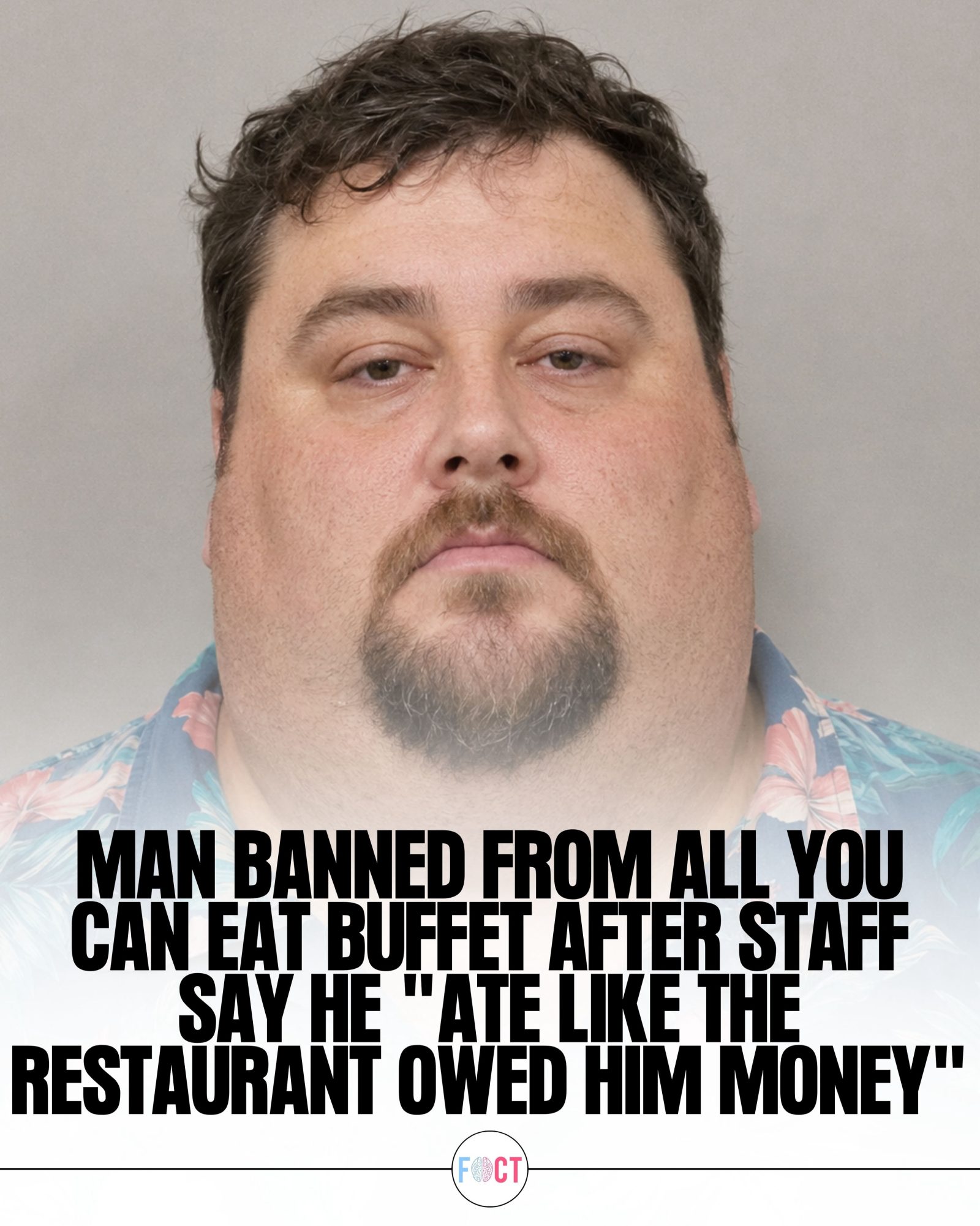
Man Banned from All-You-Can-Eat Buffet
A Florida man found himself in an unusual situation when he was banned from an all-you-can-eat buffet. According to the story, the man spent nearly five hours indulging in a variety of premium items, including multiple plates of prime rib, pounds of shrimp, chicken wings, cheesecake, and an impressive amount of ice cream. The staff claimed that he treated the restaurant like a personal challenge, eating as if the establishment owed him money.
Why This Matters
All-you-can-eat buffets are a staple in many dining experiences, offering a variety of foods for a set price. These establishments often rely on customers adhering to a reasonable eating pace to maintain profitability. However, incidents like this highlight the blurred lines between customer entitlement and restaurant policy. Understanding the dynamics at play can provide insight into the challenges faced by buffet management.
The Incident
The Challenge
The man in question approached his buffet experience with a unique mindset. He treated the all-you-can-eat concept as a challenge, consuming an extensive amount of food over nearly five hours. His selection included multiple plates of prime rib, pounds of shrimp, chicken wings, cheesecake, and an impressive amount of ice cream.
The Reaction
When management attempted to revoke his buffet privileges, the man argued that "all-you-can-eat is a legally binding promise." This argument, while intriguing, overlooks the practical business implications for the restaurant. Buffets depend on customers consuming a reasonable amount of food to maintain profitability and ensure that all patrons have a fair experience.
The Aftermath
The man received a lifetime ban from the buffet, but his response was far from apologetic. Wearing a victorious smirk, he simply stood up and replied, "Then I consider this a victory." This reaction underscores a deeper issue: the perception of customer entitlement versus the reality of business operations.
Legal Implications
The argument that "all-you-can-eat is a legally binding promise" raises interesting legal questions. However, in practice, such claims are typically void. Restaurants often have policies in place to prevent excessive consumption, and customers are generally expected to adhere to a code of conduct. This incident highlights the importance of clear communication and understanding between customers and establishments.
Practical Tips for Buffet Enthusiasts
Know the Rules
Before digging into a buffet, it's essential to be aware of the restaurant's policies. Some establishments may have explicit limits on how much food a customer can consume or may require a certain interval between visits to the buffet line. Understanding these rules can save you from an uncomfortable situation.
Pace Yourself
All-you-can-eat buffets are designed to be enjoyed, not conquered. Pacing yourself ensures that you get to try a variety of dishes without overindulging. It also allows the restaurant to serve other patrons efficiently.
Be Respectful
Respect the staff and other patrons. Overindulgence can disrupt the experience for others and put a strain on the restaurant's resources. By being mindful of your consumption, you contribute to a positive dining environment for everyone.
Important Takeaways
Clear Communication
Clear communication between customers and restaurant staff is crucial. Customers should understand the boundaries set by the establishment, and staff should be transparent about the rules.
Mutual Respect
Mutual respect between customers and staff can prevent misunderstandings. Recognizing that all-you-can-eat buffets are a business with operational constraints helps foster a more harmonious dining experience.
Conclusion
The incident involving the Florida man highlights the complexities of all-you-can-eat buffets. While these establishments offer a unique dining experience, they also come with practical and legal considerations. By understanding the rules, pacing yourself, and being respectful, you can ensure a pleasant and hassle-free buffet experience.
Questions readers ask
Why was the man banned from the Florida buffet?
The man was banned for overeating to an extreme degree. The restaurant's staff claimed that the man consumed an abnormal amount of food and treated the buffet like a personal challenge, causing tension between the customer and the business. Although the buffet was all-you-can-eat, the restaurant's policy did not account for such extreme eating habits.
What types of food did the man consume during his record eating spree?
He spent nearly five hours eating a variety of premium items, including multiple plates of prime rib, pounds of shrimp, and an impressive amount of ice cream. He also consumed large portions of chicken wings and cheesecake.
How long did the man's eating spree last?
The man's eating spree lasted nearly five hours. He spent this extended period indulging in a variety of premium food items, leading to his eventual ban from the buffet.
What are some reasons buffets might have policies against overeating?
Buffets need to maintain profitability and ensure that all customers have a pleasant dining experience. If all customers followed the Florida man's example, the buffet would struggle to accommodate overconsumption and could face food shortages, leading to disappointed customers.
Can a customer be banned from a buffet for overeating?
Yes, as seen in this Florida incident, a customer can be banned from a buffet for overeating. Although it is rare, this situation highlights the importance of adhering to reasonable consumption habits and respecting the restaurant's unspoken policies.
What are some customer expectations when dining at an all-you-can-eat buffet?
Customers can anticipate a range of dishes and the ability to sample various foods. Generally, they can expect to have a satisfying meal without being scrutinized for their eating habits, but the incident shows that there are limits to this expectation.
What can restaurants do to prevent extreme eating habits?
Restaurants can set clear guidelines and policies on reasonable eating habits. They can also monitor customers and intervene when necessary, as well as train staff to recognize and address extreme consumption habits. Some restaurants may implement specific rules to discourage overconsumption, such as limiting the number of visits per meal or setting a time limit.
Recent articles
Fresh deep dives from the latest Reels we unpacked.




Comments
Be the first to comment.