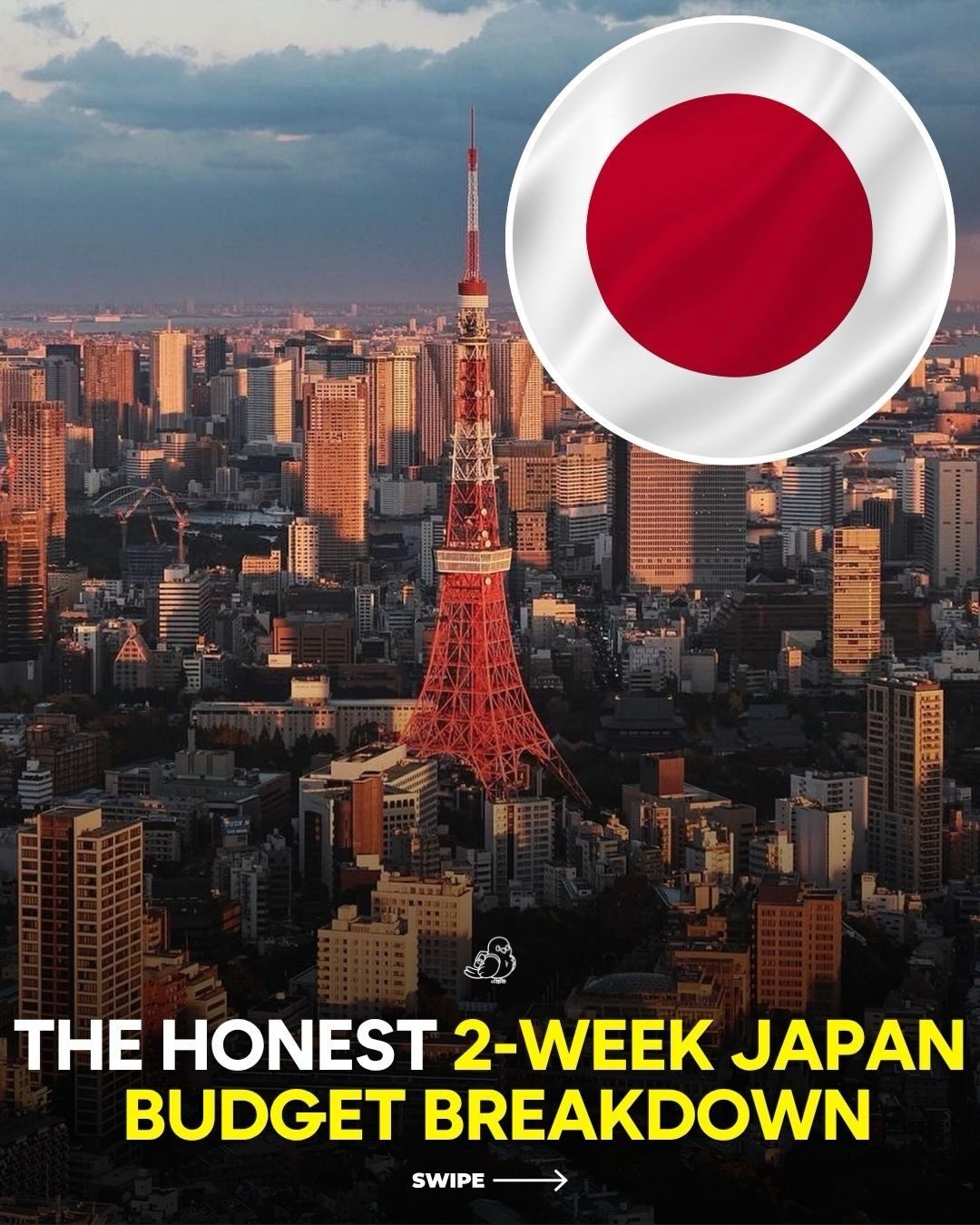
Planning a 2-Week Trip to Japan: A Comprehensive Budget Breakdown
For those dreaming of exploring Japan but concerned about the costs, understanding the expenses involved in a 2-week trip is crucial. From flights and accommodation to food, transport, and activities, Japan offers a range of budget-friendly options. Here’s an honest breakdown of what to expect, along with valuable tips to make the most of your travel budget.
Why This Matters
Japan is often perceived as an expensive destination, but with careful planning, it can be surprisingly affordable. Knowing where to save and where to spend is key to enjoying all that Japan has to offer without breaking the bank. This guide will help you set realistic expectations and make informed decisions about your travel budget.
Main Discussion
Flights
Flights are often the most significant expense when traveling to Japan. The cost can vary greatly depending on your departure location.
- From Southeast Asia: Flights typically range from $400 to $650. This makes Japan a more accessible destination for travelers from countries like Thailand, Indonesia, or the Philippines.
- From the US or Europe: Expect to pay between $700 and $1,300 for a round-trip ticket. These prices can fluctuate based on the time of year and how far in advance you book.
- Domestic Flights: If you plan to travel within Japan, domestic flights can be quite affordable. For example, a flight from Osaka to Sapporo might cost between $40 and $150.
Accommodation
Accommodation options in Japan are diverse and cater to various budgets.
- Budget Hotels and Hostels: These can cost around $20 to $50 per night. They offer basic amenities and are a great option for solo travelers or those on a tight budget.
- Mid-Range Hotels: Expect to pay between $50 and $100 per night for a more comfortable stay with better amenities.
- Luxury Hotels: For a premium experience, luxury hotels can range from $200 to $500 per night.
Food
Japan is renowned for its delicious cuisine, and dining out can be surprisingly affordable. Some typical costs include:
- Budget Meals: Street food, fast food, and convenience store meals can cost between $3 and $10.
- Mid-Range Restaurants: Sushi trains, izakayas, and other casual eateries can cost around $10 to $30 per meal.
- Fine Dining: Luxury restaurants and Michelin-starred establishments can cost from $50 to $200 or more per meal.
Transportation
Getting around Japan is efficient and relatively affordable, especially with the right strategies.
- Public Transportation: Using IC Cards like Suica or Pasmo for daily travel in cities can cost between $3 and $5 per day. These cards are convenient for making quick payments on public transportation and in vending machines.
- Japan Rail (JR) Pass: For those planning to visit multiple cities, a 14-day JR Pass can be a cost-effective option. It costs around $530 and provides unlimited travel on JR trains, buses, and ferries, including the Shinkansen (bullet train).
- Shinkansen: A one-way ticket from Tokyo to Kyoto on the Shinkansen costs around $130. This high-speed train is a quick and comfortable way to travel between major cities.
Activities
Japan offers a wealth of cultural and historical sites, as well as modern entertainment options.
- Museums and Temples: Entrance fees to most museums and temples range from $5 to $20. Some public parks and gardens are free to enter.
- Theme Parks and Attractions: Universal Studios Japan, Tokyo Disneyland, and other major attractions can cost between $50 and $100 per entry.
Practical Tips
- Plan Ahead: Booking flights and accommodation well in advance can save you a significant amount of money.
- Use Public Transportation: IC cards and the JR Pass can help you save on transportation costs.
- Mix and Match: Combine budget and splurge activities. For example, enjoy a meal at a budget-friendly izakaya after visiting a high-end museum.
- Travel Off-Peak: Consider visiting Japan during the off-peak season (November to mid-December, or January to mid-March) for lower prices and fewer crowds.
Important Takeaways
- Japan can be surprisingly affordable if you plan wisely.
- Flights are the most significant expense, so booking in advance can help.
- Public transportation and budget accommodation options make traveling within Japan manageable.
- Mixing budget and splurge activities can enhance your experience while keeping costs in check.
Conclusion
Japan offers a rich cultural experience combined with a variety of budget-friendly options. Whether you’re a first-time traveler or a seasoned adventurer, understanding the costs involved and planning accordingly can make your trip both memorable and affordable. With the right strategies, you can explore Japan’s vibrant cities, historic sites, and natural wonders without breaking the bank. For more travel tips and insights, follow travel enthusiasts and backpackers who share their experiences and advice from around the world.
Questions readers ask
How much should I budget for flights to Japan for a 2-week trip?
The cost of flights to Japan can vary greatly depending on your departure location and the time of year. To save money, consider booking your tickets in advance, during off-peak seasons. On average, you can expect to spend around $600-$1,200 for a round-trip economy flight from the United States or Europe.
What are some budget-friendly accommodation options in Japan?
Japan offers a variety of affordable accommodation options. Capsule hotels, hostels, and budget-friendly guesthouses are great choices. For a more traditional experience, consider staying in a ryokan (Japan inn). Prices typically range from $20 to $100 per night.
How can I save money on food while traveling in Japan?
Eating out in Japan can be surprisingly affordable. Street food, konbini (convenience stores), and izakayas (Japanese pubs) offer delicious meals at reasonable prices. Try local specialties like okonomiyaki, takoyaki, and ramen. On average, you can eat for around $15-$30 per day, and even less if you prepare some meals yourself.
What is the most cost-effective way to travel between cities in Japan?
The Japan Rail (JR) Pass is a highly cost-effective option for travelers planning to visit multiple cities. For a 2-week trip, consider the 7, 14, or 21-day pass, which offers unlimited travel on JR trains, buses, and ferries. This can save you a significant amount of money compared to buying individual tickets.
Are there free activities to enjoy in Japan?
Yes, there are plenty of free activities to enjoy in Japan. Visit beautiful temples and shrines in cities like Kyoto, Tokyo, and Nara. Explore local parks and gardens, and visit museums during their free admission days. Many cities also offer free walking tours, providing a budget-friendly way to experience the local culture.
How can I plan a 2-week itinerary for Japan on a budget?
To plan a 2-week itinerary on a budget, focus on balancing popular tourist destinations with lesser-known attractions. Allocate more time to free or low-cost activities, and consider visiting during the off-peak or shoulder season (March-May or September-November) for lower prices. Use public transportation and walk as much as possible to save on transport costs.
Related deep dives
Similar reads based on topic and creator.




Recent articles
Fresh deep dives from the latest Reels we unpacked.




Comments
Be the first to comment.