Majestic Deer in a Wheat Field
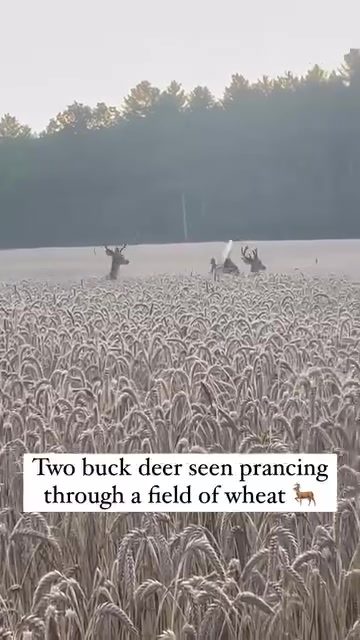
Watching deer prance gracefully through a field of wheat, especially in a rural setting, is a sight to behold. This idyllic scene showcases two buck deer moving effortlessly through tall, golden wheat, with trees and a power line visible in the background. It is a moment of harmony between nature and wildlife.
Why This Matters
Wildlife sightings are not only a joy to observe but also remind us of the delicate balance of ecosystems. Deer, as a crucial part of this balance, play a significant role in many habitats. Additionally, rural landscapes, often characterized by vast fields and meandering power lines, offer unique opportunities for such encounters. These environments are not just scenic but also support a diverse range of flora and fauna, making them essential for conservation efforts.
The Beauty and Grace of Deer
Deers' Adaptability
Deer are known for their adaptability and resilience, thriving in various environments. From dense forests to open fields, these animals have evolved to navigate different terrains with ease. Their agility and grace are evident as they prance through the wheat, their antlers swaying gently with each step.
Importance of Deer in Ecosystems
Deer are an integral part of many ecosystems. They help maintain the balance of vegetation by foraging on plants, which in turn allows for new growth. Their presence supports a wide range of species, from predators to insects, creating a complex web of life.
The Role of Rural Landscapes
The Rural Setting
Rural landscapes, with their expansive fields and scattered trees, provide a perfect backdrop for wildlife to thrive. The wheat field in the video is a testament to the beauty and productivity of such environments. These landscapes not only support agriculture but also offer habitats for a variety of wildlife, including deer, birds, and small mammals.
Power Lines and Wildlife
The presence of a power line in the background raises an important point about the coexistence of human infrastructure and wildlife. While power lines are necessary for modern life, their impact on wildlife can be significant. Understanding how to mitigate these impacts through thoughtful planning and design can help preserve these natural habitats.
Practical Tips for Wildlife Observation
Best Practices for Spotting Deer
Observing deer in their natural habitat can be a rewarding experience. The best times to spot them are typically early in the morning or late in the evening when they are most active. Patience and quietness are key; moving slowly and staying still can increase your chances of a close encounter.
Tips for Photographing Wildlife
If you are interested in capturing the beauty of wildlife like the deer in the video, here are some tips:
- Use a Telephoto Lens: A telephoto lens allows you to capture detailed shots without disturbing the animals.
- Choose the Right Settings: Use a fast shutter speed to freeze the movement and ensure clear, sharp images.
- Be Patient: Wildlife photography often requires patience. Spend time observing the animals and wait for the perfect moment.
- Respect Wildlife: Always maintain a safe distance and avoid getting too close. Respect the animals' space and habitat.
Important Takeaways
The serene scene of deer prancing through a wheat field highlights the importance of preserving rural landscapes and the wildlife that calls them home. Deer are an essential part of many ecosystems, and their adaptability and grace make them a joy to observe. Whether you are a nature enthusiast or a wildlife photographer, understanding the nuances of rural environments and the animals that inhabit them can enhance your appreciation for the natural world.
Conclusion
Watching deer move gracefully through a field of wheat is a reminder of the beauty and harmony that exists in nature. These moments underscore the significance of rural landscapes and the wildlife that thrive within them. From the adaptability of deer to the role of power lines in these environments, every element plays a part in maintaining the delicate balance of ecosystems. By appreciating and preserving these natural wonders, we can ensure that future generations can also experience the majesty of wildlife in its natural habitat.
Questions readers ask
What species of deer are typically seen in wheat fields?
The deer seen in wheat fields are often white-tailed deer, which are common across North America. They are known for their agility and grace, making them a frequent subject in nature observations.
Can deer cause damage to wheat fields?
Yes, deer can sometimes cause damage to wheat fields, especially when the crops are young. They may feed on the tender shoots and leaves, which can impact crop yield.
Is it common to see deer in rural landscapes?
Yes, it is quite common to see deer in rural landscapes. Rural areas often provide ample habitat, including forests, meadows, and agricultural fields, which deer use for food and shelter.
What other wildlife might be found in a wheat field?
Wheat fields can host a variety of wildlife, including small mammals like rabbits and groundhogs, as well as various bird species. Insects and reptiles may also be present, contributing to the overall biodiversity of the area.
What role do deer play in their ecosystems?
Deer are important in maintaining the balance of their ecosystems. They help control plant growth by feeding on vegetation, which can prevent overgrowth and promote biodiversity. Additionally, their movements disperse seeds and nutrients.
Why do deer prance through fields?
Deer may prance or bound through fields for various reasons, including play, communication, or simply moving quickly and efficiently. This behavior is often seen in young deer or during periods of heightened activity.
Related deep dives
Similar reads based on topic and creator.



Recent articles
Fresh deep dives from the latest Reels we unpacked.




Comments
Be the first to comment.