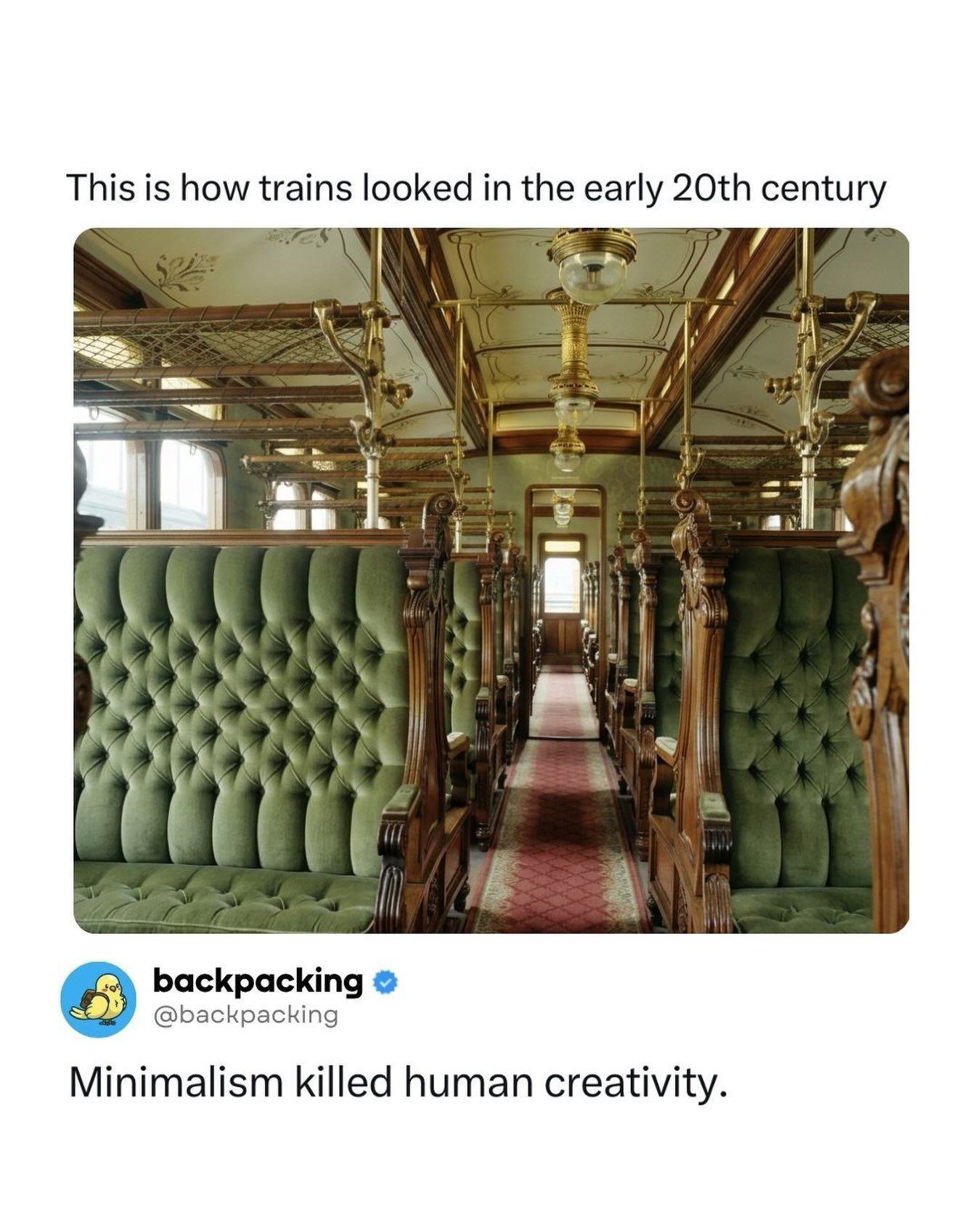
Vintage Train Interiors: A Journey Through Luxury and Craftsmanship
Stepping aboard an early 20th-century train was an experience that transcended mere transportation. The interiors were moving palaces, where every detail spoke of an era when luxury and craftsmanship defined travel.
Context: The Golden Age of Rail Travel
The early 20th century marked the peak of rail travel, often referred to as the golden age. During this period, train travel was not just a means to an end but a destination in itself. The luxurious interiors of these trains were designed with meticulous attention to detail, transforming journeys into memorable experiences. This era celebrated the craftsmanship of a bygone age, where ornate woodwork, plush seating, and elegant fixtures were the norm.
The Art of Craftsmanship
The interiors of these vintage trains were masterpieces of design and craftsmanship. Every element, from the polished wood to the intricate carvings and brass fixtures, was a testament to the skill of the artisans of the time. The seating was plush and comfortable, often upholstered in luxurious fabrics that added to the overall opulence. Brass fixtures and stained-glass lamps further enhanced the elegance, creating an atmosphere that was both sophisticated and inviting.
Ornate Woodwork
The woodwork in these trains was a hallmark of the era. Ornate carvings adorned the walls, pillars, and ceilings, each piece a work of art in itself. The use of polished wood added a warmth and richness to the interiors, making the space feel both luxurious and cozy. The decorative pillars and intricate fixtures not only served a functional purpose but also added to the aesthetic appeal, making the journey itself a visual feast.
Plush Seating and Comfort
Comfort was a key consideration in the design of these train interiors. Plush, upholstered seating ensured that passengers could travel in style and comfort. The seating was designed to be both luxurious and practical, providing ample support during long journeys. The use of high-quality fabrics and materials further enhanced the comfort, making the experience truly memorable.
The Luxury of Slow Travel
In the early 20th century, train travel was about more than just getting from point A to point B. It was about enjoying the journey itself. Passengers could slow down, appreciate the craftsmanship, and watch the world pass by from behind their windows. This contrast with modern minimalism highlights how contemporary design often overlooks the human creativity and craftsmanship that defined earlier eras.
Elegant Dining Cars
One of the standout features of these vintage trains was the elegant dining cars. These cars were designed to offer a gourmet dining experience, complete with fine china, silverware, and a menu that rivaled the best restaurants of the time. Passengers could enjoy a leisurely meal, savoring both the food and the ambiance, all while traveling in style. This attention to detail elevated the dining experience to a whole new level, making it a highlight of the journey.
Practical Tips for Enjoying Vintage Train Interiors
While traveling in a vintage train might not be a daily occurrence, there are ways to appreciate and even recreate the ambiance of this bygone era:
-
Experience Rail Travel: If you have the opportunity, take a trip on a vintage train or a modern train that offers a heritage experience. These journeys often include preserved cars from the early 20th century, allowing you to experience the luxury and craftsmanship firsthand.
-
Visit Railway Museums: Many railway museums feature restored vintage train interiors. These museums offer a glimpse into the golden age of rail travel and provide a rich historical context.
-
Create a Retro At-Home Experience: If you can't travel on a vintage train, you can still bring a touch of that era into your home. Incorporate elements of vintage design, such as ornate woodwork, plush seating, and brass fixtures, to create a similar ambiance.
Important Takeaways
-
Craftsmanship Matters: The early 20th-century train interiors are a testament to the importance of craftsmanship and attention to detail. These elements are often overlooked in modern design, but they add a rich, luxurious feel to any space.
-
The Joy of Slow Travel: In an era where speed and efficiency are prized, the idea of slow travel can seem quaint. However, it offers a unique opportunity to appreciate the journey and the world around you.
-
Preserving History: These beautifully preserved interiors offer a glimpse into a time when train travel was about more than just getting somewhere—it was about enjoying the journey. Preserving and appreciating this heritage can help us understand and connect with our past.
Conclusion
Vintage train interiors of the early 20th century offer a fascinating glimpse into a world of luxury, craftsmanship, and slow travel. These beautifully preserved spaces remind us of a time when every detail mattered and the journey was as important as the destination. Whether you're a history buff, a design enthusiast, or simply someone who appreciates a touch of vintage elegance, exploring these interiors is a journey worth taking.
Questions readers ask
What defined luxury in early 20th century train interiors?
Luxury in early 20th century train interiors was characterized by ornate woodwork, plush seating, and elegant fixtures. These elements combined to create a lavish atmosphere that made train journeys feel more like experiences in a moving palace than mere transportation.
Why is the early 20th century often called the golden age of rail travel?
The early 20th century is often referred to as the golden age of rail travel due to the unparalleled craftsmanship and luxury found in train interiors. During this period, train travel was seen as a destination in itself, with meticulous attention to detail in design and comfort.
What kinds of materials were commonly used in early 20th century train interiors?
Early 20th century train interiors commonly featured rich, ornate woodwork for paneling and detailing. Plush materials like velvet and silk were used for seating to enhance comfort, and elegant fixtures such as brass and bronze were incorporated for a touch of grandeur.
How did the interiors of early 20th century trains enhance the travel experience?
The interiors of early 20th century trains transformed the travel experience by providing a luxurious and comfortable environment. The ornate woodwork, plush seating, and elegant fixtures created a memorable atmosphere, making journeys feel more like a voyage through a moving palace.
What can modern rail travel learn from the early 20th century designs?
Modern rail travel can draw inspiration from the early 20th century designs by focusing on craftsmanship and luxurious details. Incorporating rich materials, ornate woodwork, and elegant fixtures can elevate the travel experience, providing a more opulent and memorable journey for passengers.
What were some iconic features of the gold age train interiors?
Iconic features of golden age train interiors included intricately carved wood paneling, sumptuous upholstered seating, and glittering metal fixtures. These elements showcased the period's dedication to luxury and artistry, making train journeys extraordinary and unforgettable.
How did the design of early 20th century train interiors reflect the era's aesthetics?
The design of early 20th century train interiors reflected the era's aesthetics through the use of elaborate woodwork and ornate patterns, which were characteristic of the time. The plush seating and elegant fixtures added a touch of grandeur, showcasing the craftsmanship and opulence of the golden age of travel.
Related deep dives
Similar reads based on topic and creator.




Recent articles
Fresh deep dives from the latest Reels we unpacked.



Comments
Be the first to comment.