The Fascinating World of Lotus Seed Pods
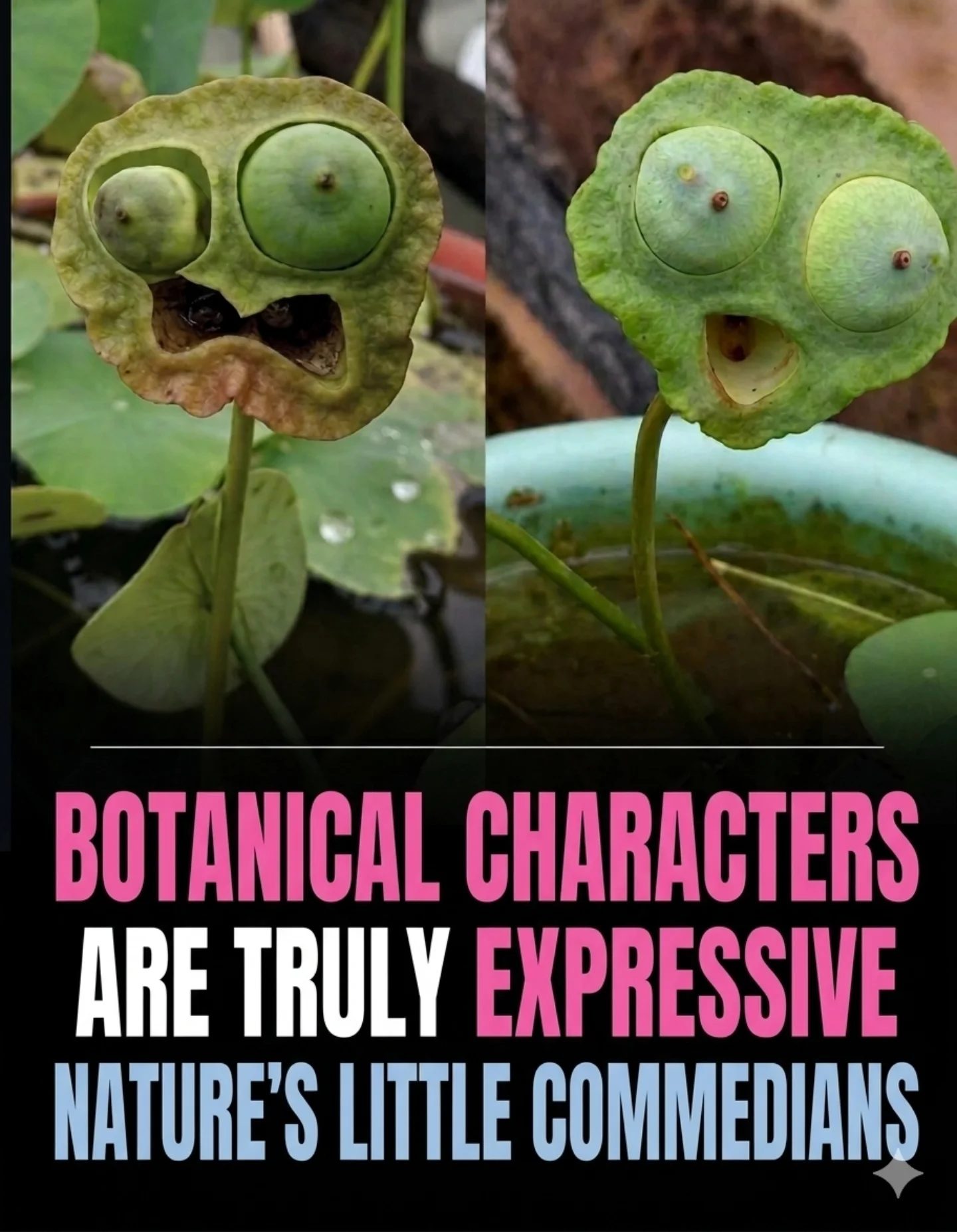
The dried seed pods of the lotus plant (Nelumbo nucifera) exhibit a curious botanical phenomenon. These pods display what appear to be distinctive "facial expressions," a result of the plant's natural reproductive structure. The large holes in the pods are chambers where individual seeds develop, while the surrounding dried tissue often warps into shapes that our brains interpret as eyes and mouths. This psychological effect is known as pareidolia.
Why This Matters
The lotus plant is not just a botanical curiosity; it holds significant cultural and ecological importance. The seeds themselves are a nutritional staple in many Asian cuisines. Beyond their nutritional value, the pods are highly valued in floral arrangements and traditional medicine. Understanding the unique characteristics of these pods can deepen our appreciation for the intricate design of nature and the role of pareidolia in human perception.
The Science Behind the Expressions
Pareidolia: Our Brains' Tendency to Find Faces
Pareidolia is a fascinating psychological phenomenon where the human brain perceives meaningful patterns, such as faces, in random stimuli. This is why we see faces in clouds, on toast, and even in the dried seed pods of the lotus plant. The pods’ large holes and warped tissue create a visual illusion that our brains interpret as expressive faces, adding a layer of intrigue to these otherwise mundane structures.
The Anatomical Structure of Lotus Seed Pods
The lotus seed pod's structure is integral to its reproductive process. Each pod contains multiple chambers, each holding an individual seed. As the pod matures and dries, the tissue warps, creating the distinctive shapes that resemble eyes and mouths. This natural process is not just visually intriguing but also serves a functional purpose in the plant's life cycle. As the pods tilt downward, they release their seeds into the water, ensuring the next generation of lotus plants.
The Cultural and Ecological Significance
Lotus in Traditional Medicine and Cuisine
In many Asian cultures, the lotus plant holds significant medicinal and culinary value. The seeds are a staple in various dishes, from soups to sweets, and are known for their nutritional benefits. Additionally, different parts of the plant, including the seeds and pods, are used in traditional medicine to treat various ailments.
Lotus in Floral Arrangements
The unique appearance of the lotus seed pods makes them a popular choice in floral arrangements. Their expressive faces add a whimsical and natural element to decorations, making them a favorite among floral designers. The pods' ability to evoke a sense of humor and expressiveness, or pareidolia, enhances their appeal in artistic and decorative contexts.
Ecological Importance
Ecologically, the lotus plant plays a crucial role in aquatic ecosystems. It provides habitat and food for various species, contributing to the biodiversity of wetlands. The plant's ability to filter water and improve water quality also makes it an essential component in maintaining healthy water bodies.
Practical Tips for Observing and Utilizing Lotus Seed Pods
Identifying Lotus Seed Pods
Identifying lotus seed pods is relatively straightforward. Look for dried, brown pods with distinctive holes and warped tissue. These pods are often found in or near bodies of water where lotus plants grow. Paying attention to the unique shapes and patterns can enhance your appreciation for the natural beauty of these pods.
Utilizing Lotus Seed Pods in Decorations
Using lotus seed pods in floral arrangements can add a unique and interesting element. Here are a few tips:
- Preservation: To preserve the pods, ensure they are completely dry before using them in arrangements. This helps maintain their shape and prevents mold growth.
- Placement: Place the pods strategically in your arrangements to highlight their expressive faces. Pair them with complementary flowers and greenery for a balanced look.
- Stability: Use floral wire or tape to secure the pods in place, ensuring they remain stable in the arrangement.
Cooking with Lotus Seeds
Lotus seeds are a versatile ingredient in many Asian cuisines. Here are some practical tips for cooking with them:
- Preparation: Before using lotus seeds in cooking, rinse them thoroughly and soak them in water for a few hours or overnight to soften. This step is essential for removing any bitterness and enhancing the texture.
- Cooking Methods: Lotus seeds can be boiled, fried, or roasted. Each method brings out different flavors and textures, so experiment to find your favorite.
- Recipes: Incorporate lotus seeds into a variety of dishes, from soups and stews to sweets and snacks. Popular recipes include lotus seed soup, lotus seed rice balls, and lotus seed tea.
Important Takeaways
- Natural Expressions: The distinctive "facial expressions" on lotus seed pods are a result of their natural reproductive structure and the psychological effect of pareidolia.
- Cultural and Ecological Value: Lotus plants are valued in traditional medicine, cuisine, and floral arrangements, and they play a crucial ecological role in aquatic ecosystems.
- Practical Uses: Lotus seed pods can be preserved and used in floral arrangements, adding a unique and expressive element to decorations. Lotus seeds are a versatile ingredient in many Asian cuisines, offering various nutritional benefits.
Conclusion
The dried seed pods of the lotus plant offer a captivating glimpse into the intricate design of nature. Their expressive "faces" are a result of nature's reusability of shapes for functional and adaptive purposes, enhanced by the fascinating psychological effect of pareidolia. Beyond their visual appeal, these pods hold significant cultural, medicinal, and ecological importance. Understanding and appreciating the unique characteristics of lotus seed pods can enrich our experience of the natural world.
Related deep dives
Similar reads based on topic and creator.




Recent articles
Fresh deep dives from the latest Reels we unpacked.




Comments
Be the first to comment.