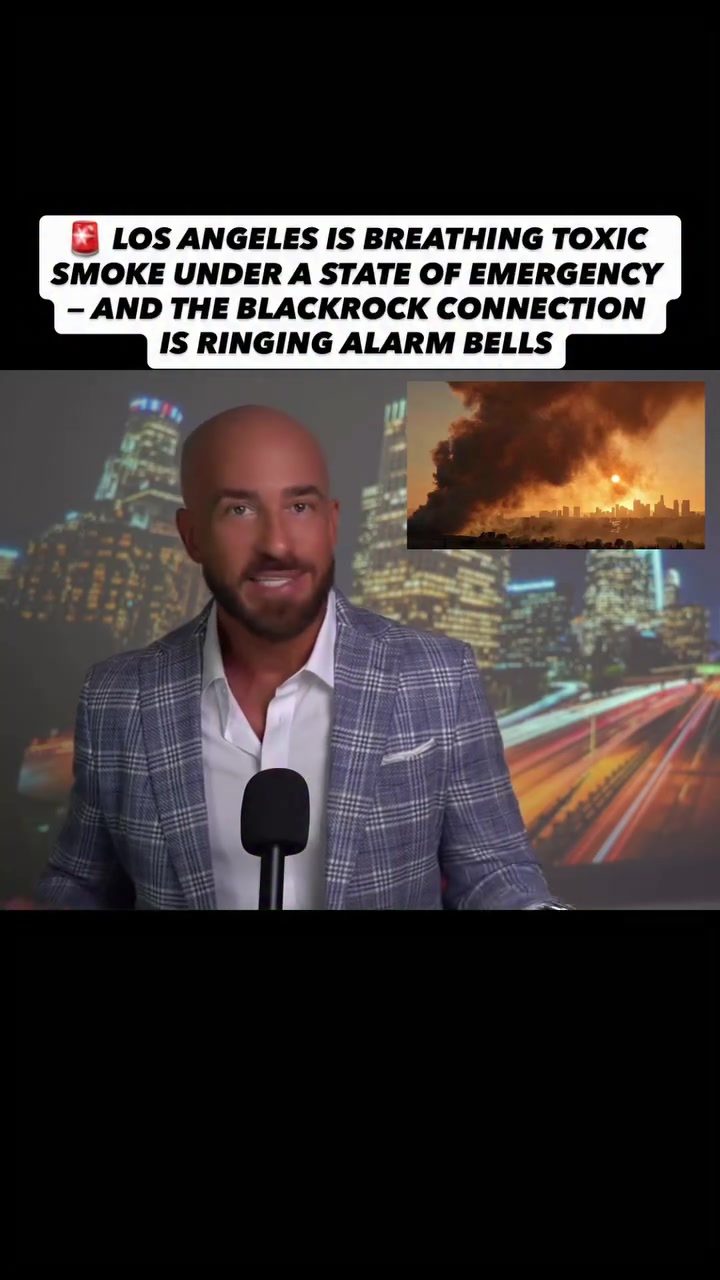
Los Angeles' Toxic Smoke Crisis and the BlackRock Connection
Los Angeles is currently battling a severe air quality crisis, with toxic smoke blanketing the city under a state of emergency. The source of this environmental crisis is a massive fire that has been burning for days at a Lineage cold storage facility in Boyle Heights. This incident has raised critical questions about corporate responsibility and the role of major institutional investors, particularly BlackRock and Vanguard.
The Scale of the Disaster
The fire at the Lineage facility is not a small-scale incident. Lineage Logo is one of the largest cold storage companies worldwide, operating hundreds of facilities and controlling a significant portion of the global food supply chain. The Boyle Heights complex, where the fire is burning, is a vast industrial site equipped with advanced refrigeration systems, specialized insulation materials, and rooftop solar infrastructure. It stores tens of millions of pounds of food, making it a critical hub in the food distribution network. The sheer scale of the operation underscores the potential impact of such a catastrophe.
The Impact on Residents
Millions of Los Angeles residents have been advised to stay indoors, close their windows, and avoid outdoor activities to minimize exposure to the toxic smoke. The air quality warnings have disrupted daily life, forcing people to alter their routines significantly. This is not the first time the facility has faced a major fire; a significant rooftop solar panel fire occurred in 2024. The repeated incidents raise serious concerns about the safety measures and emergency protocols in place at the facility.
Corporate Responsibility and Institutional Investors
As the crisis unfolds, public attention has turned to the corporate entities behind Lineage. Investigations into the company's major institutional investors have revealed that BlackRock and Vanguard are among the key players. This revelation has sparked questions about the accountability of these financial giants in ensuring the safety and environmental compliance of the companies they invest in.
Every time a crisis of this magnitude occurs, the public is assured that everything is under control. However, the repeated warnings, extended emergency declarations, and the persistent smoke plume have left many residents skeptical. The public is increasingly questioning how many times they are expected to ignore the red flags before taking more substantial action. The connections to major Wall Street players have added layers of complexity to the situation, with many wondering if the financial implications are being prioritized over public safety.
The Role of BlackRock and Vanguard
BlackRock and Vanguard are among the world's largest investment management firms, holding significant stakes in numerous corporations across various sectors. Their involvement in Lineage raises critical questions about their influence and responsibility in ensuring the safety and environmental compliance of their investments. As institutional investors, their decisions affect not only the financial performance of the companies they invest in but also the broader societal and environmental impacts.
Public Response and Future Implications
The current crisis has galvanized public attention and triggered a broader conversation about corporate accountability. Many residents are calling for stricter regulations and more transparent communication regarding the safety measures at industrial facilities. The repeated fires and the toxic smoke plume have highlighted the need for enhanced emergency protocols and stricter safety standards.
The situation in Los Angeles serves as a stark reminder of the potential risks associated with large-scale industrial operations. As the public becomes more aware of the connections between corporate entities and environmental crises, there is a growing demand for greater accountability and transparency. This crisis underscores the need for robust safety measures, effective emergency responses, and stringent regulatory oversight to prevent such incidents in the future.
Practical Tips for Residents
While the situation can be overwhelming, there are practical steps residents can take to protect themselves and stay informed:
1. Stay Indoors: Keep windows and doors closed to minimize exposure to toxic smoke.
2. Use Air Purifiers: If available, use air purifiers to improve indoor air quality.
3. Monitor Air Quality: Regularly check local air quality reports and follow the advice of health authorities.
4. Stay Informed: Keep up-to-date with the latest information from trusted sources, including local news outlets and official health advisories.
5. Seek Medical Attention: If you experience any respiratory symptoms, seek medical attention immediately.
Important Takeaways
The ongoing crisis in Los Angeles highlights several critical points:
-
Corporate Responsibility: The public is increasingly scrutinizing the role of large corporations and their institutional investors in ensuring safety and environmental compliance.
-
Public Awareness: Greater awareness and action from the public can drive changes in corporate practices and regulatory frameworks.
-
Preparedness: Enhanced emergency protocols and preparedness are crucial for mitigating the impact of industrial disasters.
-
Regulatory Oversight: Stricter regulations and oversight can help prevent future incidents and protect public safety.
Conclusion
The fire at the Lineage cold storage facility in Boyle Heights and the resulting toxic smoke crisis in Los Angeles have brought to light critical issues surrounding corporate responsibility, public safety, and the role of institutional investors. As the situation unfolds, it is clear that there is a growing demand for greater accountability, transparency, and regulatory oversight. The crisis serves as a call to action for residents, corporations, and policymakers to work together towards a safer and more resilient future.
Questions readers ask
What caused the air quality crisis in Los Angeles?
The air quality crisis in Los Angeles was triggered by a massive fire at a Lineage cold storage facility in Boyle Heights. The fire has been burning for days, releasing toxic smoke that has blanketed the city and forced residents to stay indoors.
Who is Lineage and why is their facility fire significant?
Lineage is one of the world's largest cold storage companies, operating numerous facilities globally and playing a crucial role in the food supply chain. The fire at their Boyle Heights complex is significant due to its scale and the resulting severe air quality impacts on Los Angeles.
What is BlackRock's connection to the Lineage facility fire?
BlackRock, along with other major institutional investors like Vanguard, has significant investments in Lineage. This connection has raised questions about corporate responsibility and the role of these investors in managing environmental risks and impacts, particularly in light of the crisis.
What are the health risks associated with the toxic smoke in Los Angeles?
The toxic smoke from the fire poses serious health risks, including respiratory issues, irritation of the eyes and skin, and exacerbation of pre-existing conditions such as asthma. Residents are advised to stay indoors and avoid outdoor activities to minimize exposure.
How has the fire in Los Angeles affected daily life?
The fire has disrupted daily life for millions of Los Angeles residents. With the city under a state of emergency, many have been advised to stay indoors, schools and businesses have closed, and traffic has been affected by road closures and emergency response efforts.
What measures are being taken to address the air quality crisis?
Local authorities have declared a state of emergency and advised residents to take precautions. Firefighters are working to control and extinguish the fire, and air quality monitoring is ongoing. However, the extent of the environmental impact is still being assessed, and long-term measures will depend on the findings.
What is the expected environmental impact of the fire?
The environmental impact of the fire is expected to be significant, given the scale of the blaze and the toxic smoke released. Long-term effects on air quality, local ecosystems, and public health are still being evaluated. The incident highlights the need for robust corporate and investor responsibility in preventing and managing such disasters.
Related deep dives
Similar reads based on topic and creator.

Recent articles
Fresh deep dives from the latest Reels we unpacked.




Comments
Be the first to comment.