Longevity and the Incredible Lifespans of Living Organisms
Longevity is a captivating subject, and it’s incredible to explore how different living organisms have evolved to maintain their biological information over extended periods. Nature has many secrets to reveal, and one of the most fascinating examples is the remarkable lifespan of certain desert plants and marine mammals. These organisms offer intriguing insights into how biological information is preserved, which could hold the key to extending human health and longevity.
Context: Why This Matters
Understanding the mechanisms that enable some organisms to live for incredibly long periods can provide valuable insights for human longevity research. By studying these extraordinary examples, scientists can identify strategies that might help humans maintain health and vitality for a longer duration.
The World's Oldest Living Organisms
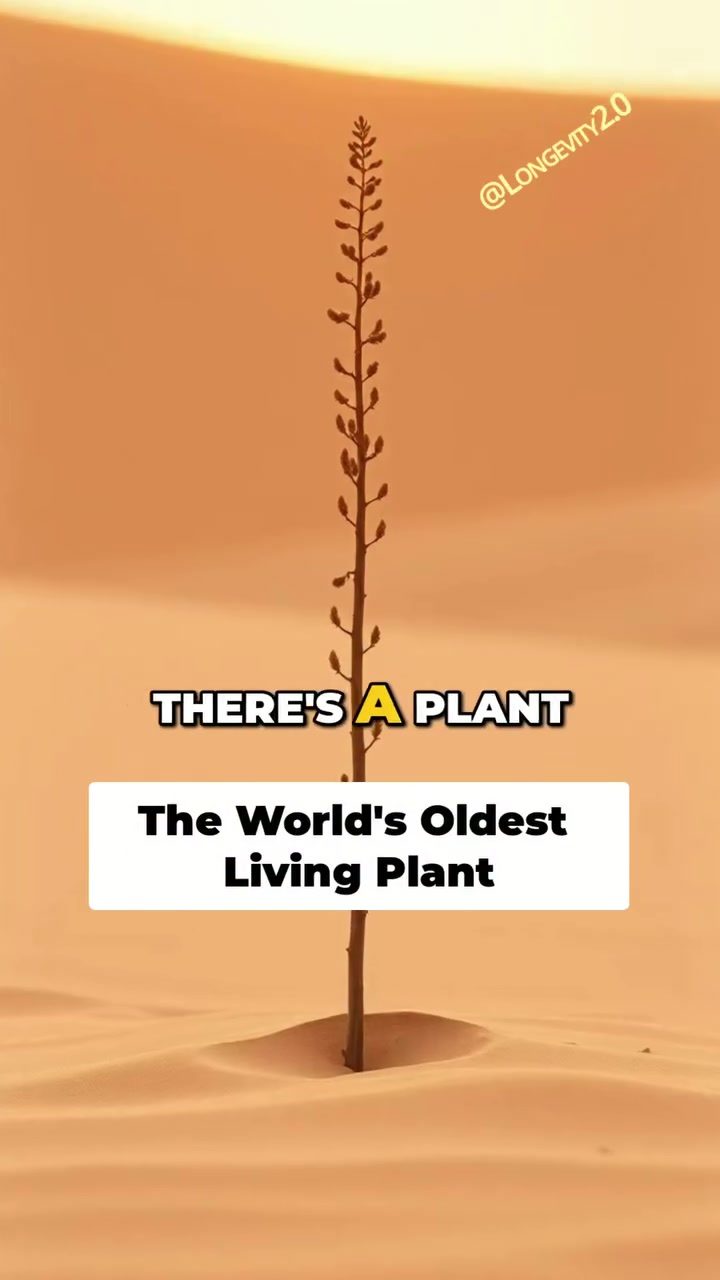
One of the most astonishing examples of longevity in the plant kingdom is a species found in the Namib Desert. These plants have been around for thousands of years, predating the construction of the Egyptian pyramids. Their ability to preserve biological information over such an extensive period is nothing short of remarkable. When examining their genome, it becomes evident that these plants have a unique genetic makeup that allows them to protect and preserve their biological data for millennia.
In contrast, humans gradually lose this vital biological information as we age. By the time a person reaches 80, a significant portion of this information has been lost. This is a stark reminder of how fragile human biological information can be compared to that of some plants and marine mammals.
Comparing Lifespans: Plants, Whales, and Humans
Another interesting example is the bowhead whale, which can live for over 200 years. These whales have developed mechanisms that allow them to preserve their biological information in a way that helps extend their lifespans. Researchers have found that these whales can repair DNA damage more effectively, which contributes to their exceptional longevity. This ability to maintain genetic stability over long periods is a trait that longevity researchers are keen to understand.
The Role of Biological Information in Aging
David Sinclair’s Information Theory of Aging suggests that the gradual loss of epigenetic instructions, which tell cells how to function properly, is a significant factor in aging. This theory posits that aging is not merely the accumulation of damage over time but rather the result of cells losing the ability to function correctly due to the degradation of biological information.
Preserving Biological Information
Organisms like certain desert plants and bowhead whales have evolved mechanisms to preserve their biological information over extended periods. These mechanisms involve maintaining genetic stability and repairing DNA damage more effectively. For example, certain desert plants have a genome that protects and preserves their biological information, ensuring they can survive for thousands of years. Similarly, bowhead whales have developed robust DNA repair mechanisms that contribute to their long lifespans.
Practical Tips
While humans may not be able to achieve the same level of longevity as these extraordinary organisms, there are practical steps we can take to maintain our health and vitality for as long as possible. Adopting a healthy lifestyle, including a balanced diet, regular exercise, and stress management, can help support overall health and longevity. Additionally, staying informed about the latest research in anti-aging and longevity can provide valuable insights and strategies for maintaining health and vitality.
Important Takeaways
The remarkable longevity of certain desert plants and bowhead whales highlights the importance of biological information preservation in extending lifespans. By studying these organisms, researchers can gain valuable insights into how to maintain genetic stability and repair DNA damage more effectively. This knowledge could lead to the development of new therapies and strategies for extending human health and longevity.
Conclusion
The study of longevity in living organisms offers a fascinating glimpse into the mechanisms that enable some species to live for incredibly long periods. By understanding how these organisms preserve their biological information, researchers can develop strategies to extend human health and vitality. The remarkable longevity of certain desert plants and bowhead whales serves as a reminder of the incredible potential that exists within nature, and the secrets it holds for maintaining life.
Questions readers ask
What makes desert plants like those in the Namib Desert exceptional in terms of longevity?
Desert plants in the Namib Desert have adapted to survive in extremely harsh conditions with minimal water. Their exceptional longevity is due to unique mechanisms that allow them to preserve biological information and maintain cellular health over extended periods, often thousands of years. These plants often enter a state of dormancy during dry spells, which helps them conserve resources and avoid damage from environmental stressors.
How does the bowhead whale achieve such an impressive lifespan?
The bowhead whale is known for its extraordinary lifespan, which can exceed 200 years. This marine mammal has developed robust DNA repair mechanisms and a slow metabolic rate, which help to preserve its biological information and reduce cellular damage over time. Additionally, their slow growth and reproduction rates contribute to their longevity.
What can humans learn from long-living organisms about aging?
By studying long-living organisms, humans can gain insights into strategies for slowing down or mitigating the effects of biological aging. These organisms often have unique mechanisms for maintaining cellular health, repairing DNA damage, and conserving resources, which could inspire new approaches to human longevity research.
How do desert plants survive in such harsh environments and live for so long?
Desert plants have developed specialized adaptations to endure extreme temperatures, intense sunlight, and scarce water resources. These adaptations include deep root systems to access water, waxy coatings to retain moisture, and the ability to photosynthesize efficiently even in low-light conditions. Additionally, many desert plants can enter a state of dormancy during dry periods, which helps them conserve energy and avoid damage from environmental stressors.
What role does preserving biological information play in the longevity of living organisms?
Preserving biological information is crucial for the longevity of living organisms as it helps maintain cellular health and function over extended periods. Organisms that live for thousands of years, such as desert plants and marine mammals, have evolved mechanisms to protect their DNA from damage and repair any injuries that occur. This allows them to maintain their biological information and continue to thrive in their environments.
How do marine mammals like the bowhead whale compare to other long-living organisms?
Marine mammals like the bowhead whale are among the longest-living organisms on Earth, with lifespans that can exceed 200 years. Their longevity is often attributed to their slow metabolic rates, robust DNA repair mechanisms, and the ability to conserve resources. Compared to other long-living organisms, marine mammals have developed unique adaptations to survive in aquatic environments, including efficient thermoregulation and specialized diving abilities.
What are the key factors that contribute to the survival of desert plants and marine mammals?
The key factors contributing to the survival of desert plants and marine mammals include their ability to adapt to extreme environments, maintain cellular health, and preserve biological information. Desert plants have developed mechanisms to survive in harsh, arid conditions, while marine mammals have evolved to thrive in aquatic environments. Both types of organisms have slow metabolic rates and robust DNA repair mechanisms, which help them maintain their biological information and live for extended periods.
Related deep dives
Similar reads based on topic and creator.


Recent articles
Fresh deep dives from the latest Reels we unpacked.




Comments
Be the first to comment.