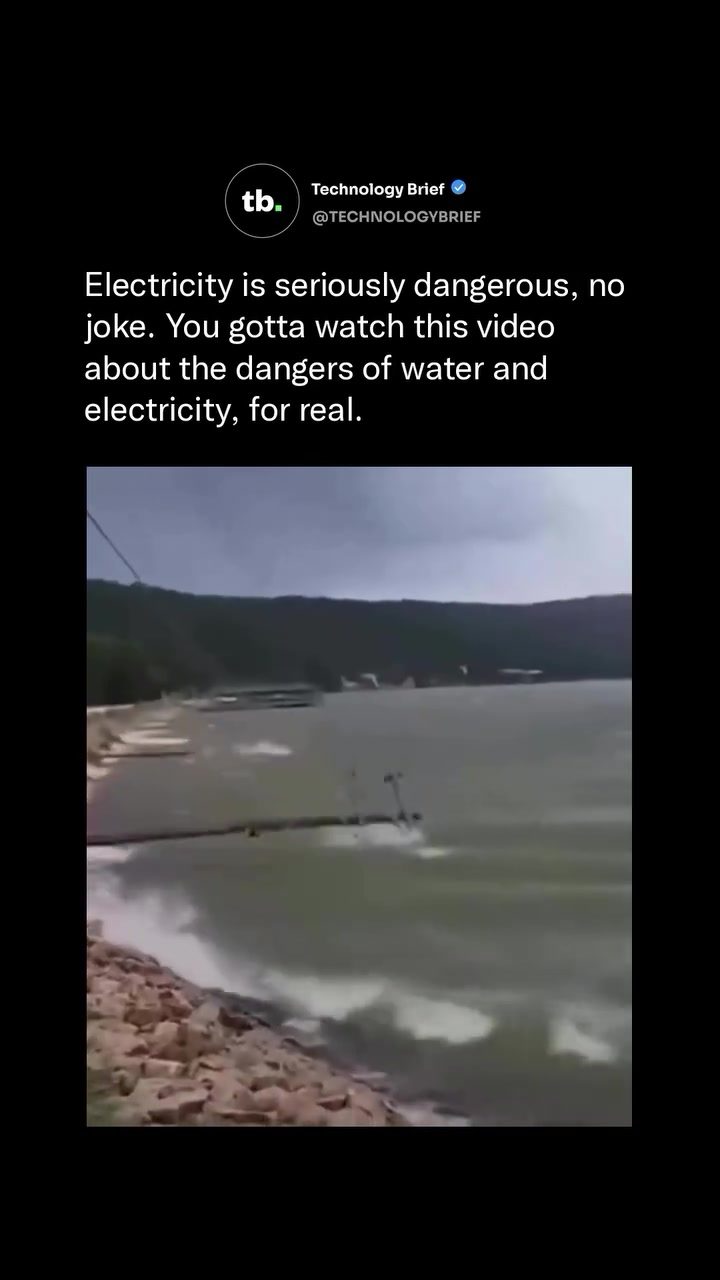
Dangerous Combination
Lightning striking water is a powerful and dangerous phenomenon. The electrical charge from a lightning strike spreads across the surface, a phenomenon known as the skin effect. This charge can travel 10 to 100 meters across the water, posing a significant risk to anyone in or near the water.
Why This Matters
Electrical activity near water can be extremely hazardous. Water and electricity are a dangerous combination. It is crucial to be aware of the risks, especially during thunderstorms.
How Lightning Interacts with Water
The Skin Effect
The skin effect describes how the electrical charge from a lightning strike spreads outward across the water's surface rather than penetrating deep. This means that fish near the surface can be stunned or killed, while those deeper in the water may feel only a mild shock. This effect is visible in the dramatic reaction of fish leaping out of the water when struck by lightning.
Impact on People
For people, the danger is far greater. When lightning strikes water, the electrical current can travel a significant distance across the surface, meaning swimmers and boaters do not need to be directly under the bolt to be seriously injured.
Activities at High Risk
Fishing
Fishing is one of the most common activities people are engaged in when they get struck by lightning. The combination of being near water and holding a fishing rod, which can conduct electricity, increases the risk significantly. It is essential to be aware of this danger and take precautions during thunderstorms.
Practical Tips
Safety During Thunderstorms
If you are near open water during a thunderstorm, it is crucial to prioritize your safety. Here are some tips to keep in mind:
- Seek Shelter: The first and most important step is to find a safe shelter. Avoid being the highest point in the area, as lightning tends to strike the tallest object.
- Stay Indoors: If you are indoors, avoid using electrical appliances and stay away from windows and doors. Lightning can travel through electrical systems and plumbing.
- Avoid Water: Do not go swimming, boating, or fishing during a thunderstorm. The risk of being struck by lightning is significantly higher when you are in or near water.
- Watch for Warnings: Pay attention to weather alerts and warnings. If thunder is audible, it is close enough to pose a threat, even if it is not raining yet.
Important Takeaways
Understanding the dangers of lightning striking water is critical for anyone who spends time near bodies of water. The electrical charge can travel far across the surface, posing a significant risk to people and animals alike. By being aware of the risks and taking necessary precautions, you can stay safe during thunderstorms.
Conclusion
Lightning striking water is a dramatic and dangerous event. The skin effect causes the electrical charge to spread across the surface, posing a significant risk to anyone in or near the water. By understanding this phenomenon and taking necessary precautions, you can stay safe during thunderstorms. Always prioritize your safety and avoid water activities during storms.
Questions readers ask
What is the skin effect, and why is it dangerous when lightning strikes water?
The skin effect is a phenomenon where the electrical charge from a lightning strike spreads outward across the water's surface instead of penetrating deeply. This is dangerous because it can cause electrical currents to travel significant distances, putting anyone or anything near the surface at risk of serious injury or death.
How far can the electrical charge from a lightning strike travel across water?
The electrical charge from a lightning strike can travel anywhere from 10 to 100 meters across the water's surface. This wide range means that even if you are not directly near the strike point, you can still be at risk of injury.
What should I do if I am caught in a thunderstorm near a body of water?
If you are near a body of water and a thunderstorm approaches, it is crucial to seek shelter immediately. Avoid being in or near the water during a storm, as the combination of lightning and water can be deadly. If you can't get to a safe location, crouch low with your feet together and minimize contact with the ground.
Can lightning affecting water harm fish or other aquatic life?
Yes, lightning striking water can harm or even kill fish and other aquatic life near the surface due to the skin effect. The electrical charge can stun or kill these creatures, making it a significant concern for both marine life and those who rely on them.
What makes water and electricity a dangerous combination during thunderstorms?
Water is an excellent conductor of electricity, which means it can easily transmit the powerful electrical charge from a lightning strike. This makes any body of water a significant hazard during thunderstorms, as the electrical current can spread widely across the surface.
Why is it important to avoid water activities during thunderstorms?
Water activities should be avoided during thunderstorms because of the high risk of being affected by a lightning strike, even if the strike is not direct. The electrical charge can spread across the water's surface, putting swimmers, boaters, and others in or near the water at risk.
What precautions should be taken to ensure safety around water during a lightning storm?
To ensure safety around water during a lightning storm, avoid any water activities and stay away from the water's edge. Seek shelter indoors or in a safe, enclosed structure. If no shelter is available, minimize your contact with the ground and avoid high points or isolated objects, such as trees or poles, as they are more likely to be struck by lightning.
Related deep dives
Similar reads based on topic and creator.




Recent articles
Fresh deep dives from the latest Reels we unpacked.




Comments
Be the first to comment.