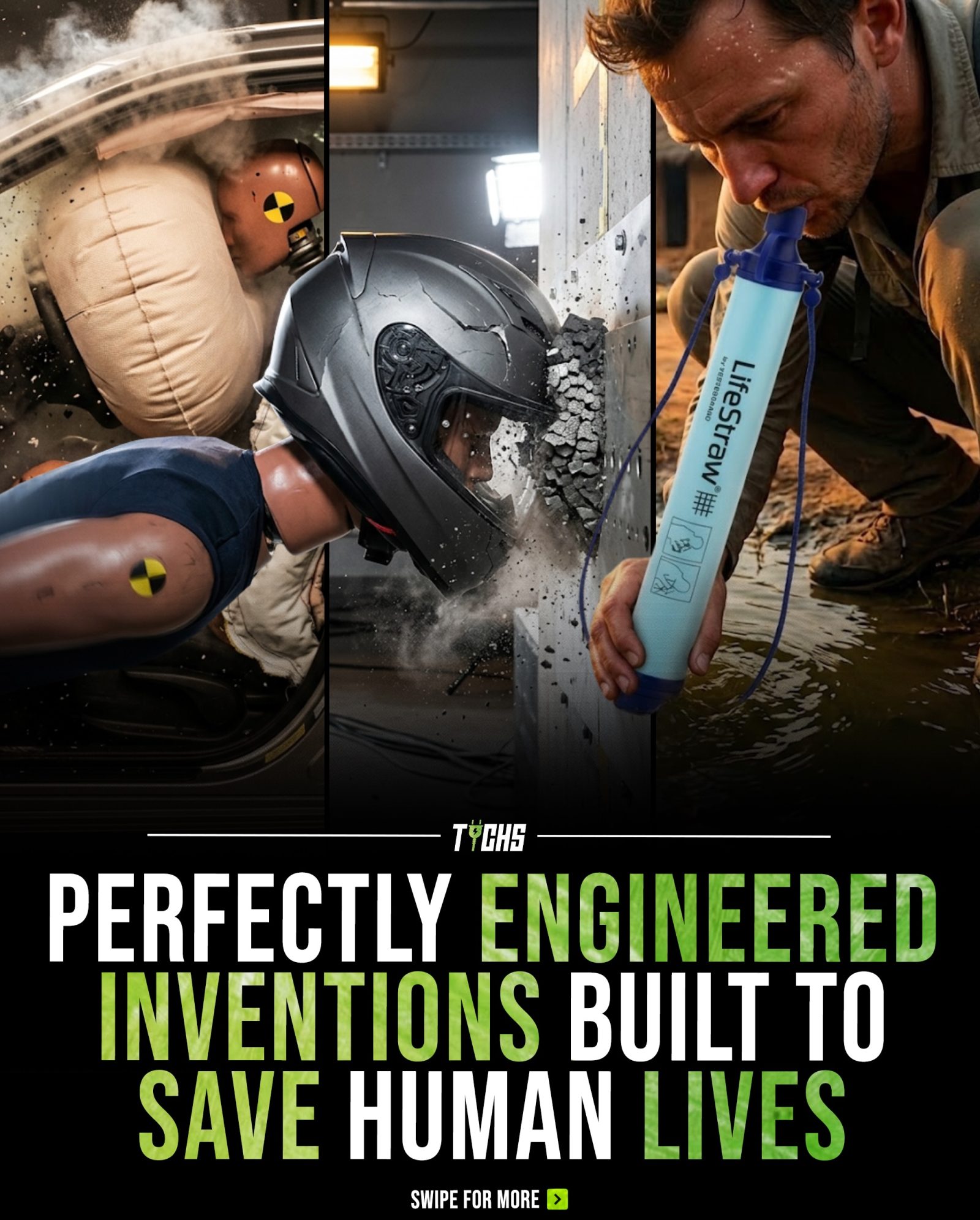
LifeStraw and Other Life-Saving Inventions
Life-saving inventions are all around us, designed to protect and save human lives during accidents, emergencies, and dangerous situations. These ingenious creations often go unnoticed in our daily lives, yet they provide critical protection. Among these, the LifeStraw water filter stands out as a remarkable example of a well-engineered invention.
Why This Matters
In a world where access to clean water is not always guaranteed, inventions like the LifeStraw play a crucial role in ensuring survival. Understanding these life-saving inventions can help us appreciate the underlying engineering and design that makes them effective. This knowledge can also guide us in choosing and using similar products that prioritize safety and efficacy.
The Power of LifeStraw
How It Works
The LifeStraw is a portable water filter designed to make contaminated water safe for drinking. It removes bacteria and parasites instantly, ensuring that even the dirtiest water can be purified. This makes it an essential tool for travelers, hikers, and anyone who finds themselves in a situation where clean water is scarce. The filter is so effective that it can process thousands of liters of unsafe water, providing a reliable source of drinkable water in emergency situations. The filter is designed to be compact and easy to use, making it a practical choice for outdoor adventures and survival kits.
Real-World Applications
The LifeStraw has been used in various real-world scenarios, from disaster relief efforts to outdoor expeditions. Its portability and ease of use make it a favorite among adventurers and humanitarian aid workers. During natural disasters, access to clean water is often compromised, and the LifeStraw provides a lifeline in these critical moments. This invention exemplifies how smart engineering can address urgent needs and save lives in the most challenging circumstances.
Engineering and Design
The LifeStraw's engineering is a testament to modern innovation. The filter is designed to be durable and efficient, capable of handling a wide range of water contaminants. This level of engineering ensures that the product is not only effective but also reliable, making it a go-to solution for emergency preparedness. The design incorporates advanced filtration technology, including microfilters and activated carbon, to remove a wide range of impurities, ensuring that the water is safe to drink.
Versatility and Impact
The versatility of the LifeStraw makes it an indispensable tool for various situations. Whether you are hiking in the wilderness, traveling to remote areas, or preparing for an emergency, the LifeStraw can provide a reliable source of clean water. Its impact extends beyond personal use; it has been deployed in communities affected by water contamination, providing a safe water supply and improving public health. This invention highlights how innovative engineering can make a significant difference in people's lives.
Other Life-Saving Inventions
Beyond the LifeStraw, several other inventions are designed to save lives in critical situations. These inventions, often taken for granted, play a vital role in enhancing safety and survivability.
Emergency Exit Signs
Emergency exit signs are designed to remain visible during power outages and smoke emergencies, ensuring that people can quickly and safely evacuate buildings. These signs use photoluminescent technology, which stores light and emits it in the dark, providing a constant source of illumination. This technology is crucial in emergencies, as it guides people to safety without the need for electricity or batteries.
Airbags
Airbags are a standard feature in modern vehicles, designed to deploy within milliseconds during a collision. They absorb impact energy, reducing the risk of severe injury or death. The engineering behind airbags involves advanced sensors and materials that can rapidly inflate and deflate, providing critical protection in the event of an accident.
Modern Helmets
Modern helmets are engineered to absorb impact energy, protecting the wearer from severe head injuries. They are designed with advanced materials and construction techniques that distribute the force of an impact, reducing the risk of trauma. Helmets are essential in various activities, from cycling and skiing to construction and industrial work, ensuring that users are protected in potentially dangerous situations.
Dead Man's Switches
Dead man's switches are safety mechanisms used in trains and other machinery to automatically stop the vehicle or equipment in case of an emergency. These switches ensure that the operator must maintain pressure on a control to keep the vehicle moving, preventing accidents caused by unconsciousness or incapacitation. This feature adds an extra layer of safety, protecting both the operator and the public from potential hazards.
Aircraft Black Boxes
Aircraft black boxes are designed to record flight data and cockpit conversations, providing crucial information in the event of an accident. These devices are built to survive extreme crashes, ensuring that investigators can reconstruct the events leading up to an incident. The robust engineering of black boxes ensures they remain functional even under the most severe conditions, making them indispensable for aviation safety.
Practical Tips
When it comes to life-saving inventions, practical use and maintenance are crucial for effectiveness. Here are some practical tips for using and maintaining these essential tools:
LifeStraw
- Storage: Store your LifeStraw in a cool, dry place to ensure its longevity.
- Cleaning: Regularly clean the filter according to the manufacturer's instructions to maintain its effectiveness.
- Use in Emergencies: Have a LifeStraw as part of your emergency kit, and know how to use it in case of a water shortage or contamination.
General Safety Practices
- Regular Inspections: Regularly inspect safety equipment like helmets, airbags, and exit signs to ensure they are in good working condition.
- Emergency Drills: Conduct emergency drills to familiarize yourself and others with the use of safety equipment and evacuation procedures.
- Stay Informed: Keep up-to-date with the latest safety guidelines and recommendations from authorities and manufacturers.
Important Takeaways
Lifesaving inventions like the LifeStraw, emergency exit signs, and airbags are the result of advanced engineering designed to protect and save lives. These inventions are integral to our daily safety, providing essential protection in various situations. Recognizing and appreciating their role can help us make informed decisions about our safety and preparedness.
Conclusion
Life-saving inventions like the LifeStraw and other engineering marvels are essential components of modern safety. They demonstrate the power of innovation and design in protecting lives during critical situations. Understanding and utilizing these inventions can significantly enhance our safety and preparedness, ensuring that we are ready to face any challenge.
Questions readers ask
How does the LifeStraw filter work to purify contaminated water?
The LifeStraw utilizes a hollow fiber membrane technology that removes 99.999999% of bacteria, 99.999% of parasites, and 99.999% of microplastics. It also includes an activated carbon filter to reduce chlorine, organic chemical compounds, and other impurities, ensuring water is safe to drink.
What makes the LifeStraw an essential tool for outdoor adventures?
The LifeStraw's compact design and high capacity for filtering thousands of liters of water make it perfect for outdoor activities like hiking and camping. It eliminates the need to carry heavy water bottles, allowing adventurers to stay hydrated and safe from waterborne illnesses.
Can the LifeStraw be used in emergency situations?
Absolutely. The LifeStraw is specifically designed for emergency water purification. Its portable nature and ability to filter out harmful contaminants make it a vital tool for survival in disasters, natural catastrophes, or when clean water sources are scarce.
How does the LifeStraw benefit aid workers in crisis zones?
Aid workers often operate in areas where clean water is limited. The LifeStraw enables them to provide immediate and lasting relief by purifying water from nearby sources, ensuring the communities they serve have access to safe drinking water.
Is the LifeStraw effective against viruses?
The standard LifeStraw is not designed to filter out viruses. However, the LifeStraw Universal line of products, such as the LifeStraw Universal with Adapter straw, is designed to meet EPA standards for viruses, making it a suitable choice for those needing this level of protection.
What is the typical lifespan of a LifeStraw filter?
The lifespan of a LifeStraw filter varies by model, but generally, it can filter up to 1,000 to 4,000 liters of water. Factors such as water quality and usage can affect its durability, so it's important to follow the manufacturer's guidelines for replacement.
Can the LifeStraw be used to purify saltwater?
The LifeStraw is not designed to desalinate saltwater. Its primary function is to remove bacteria, parasites, and microplastics from freshwater sources. Attempting to use it with saltwater can damage the filter and reduce its effectiveness.
Recent articles
Fresh deep dives from the latest Reels we unpacked.




Comments
Be the first to comment.