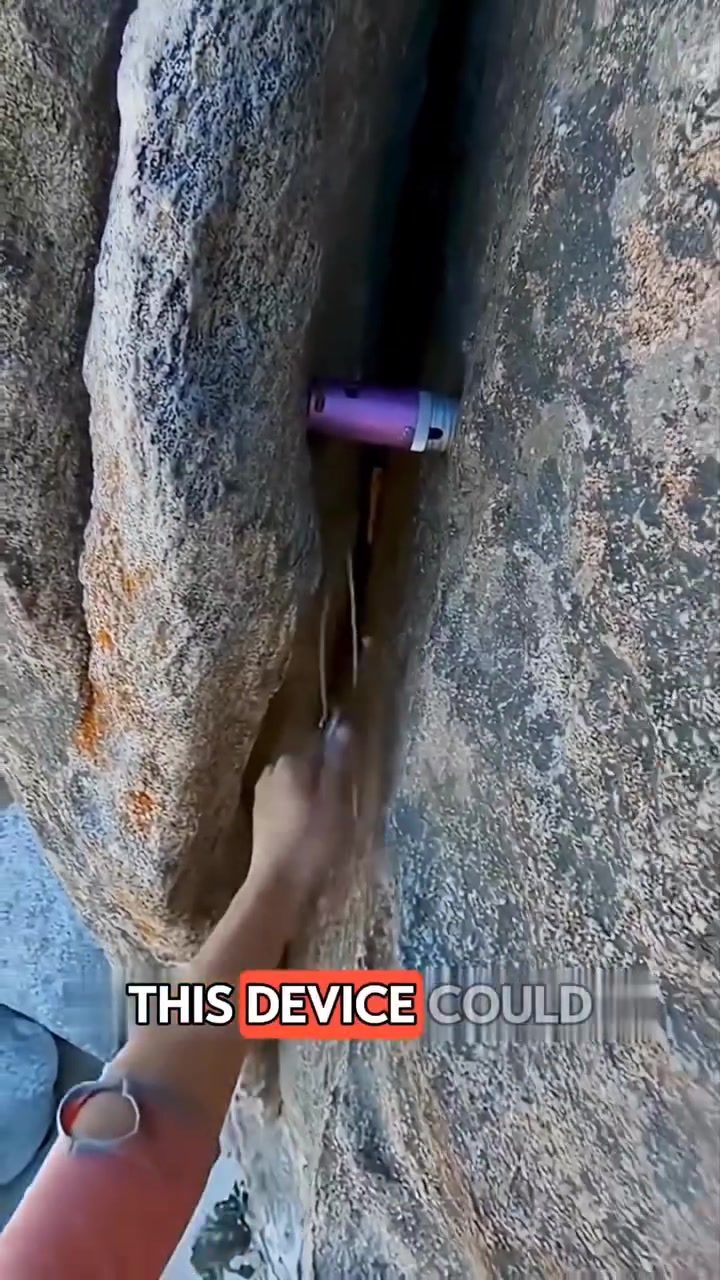
Rock Extraction Tools for Climbing
Rock extraction tools are not just gadgets; they are essential for climbers who might find themselves in emergency situations. These tools can significantly enhance safety and aid in recovery during unexpected challenges, such as exhaustion or slipping on a wall. This overview will cover the different types of extraction tools, their uses, and practical tips for climbers.
Why this matters
Rock climbing is an inherently risky activity, but having the right tools can provide a necessary sense of security. Tools like climbing crackjacks and spring-loaded cams are designed to secure climbers in various emergencies.
Main discussion
Climb Safely with The Right Gear
The climbing crackjack is one of the most versatile tools for climbers. It is designed to be inserted into cracks of the right size and activated to push the telescopic shaft outward until it locks tightly against both sides of the rock. This locking mechanism allows climbers to hang safely and recover from exhaustion or other emergencies.
Activation and Security
The internal spring within a climbing crackjack makes it a reliable tool. Once inserted into a crack, the spring pushes the shaft outward, creating a secure grip on the rock's sides.
To use a climbing crackjack:
- Identify a crack of the right size.
- Insert the device into the crack.
- Activate the internal mechanism.
The crackjack will then expand and lock tightly against both sides of the crack, providing a secure anchor.
Spring-Loaded Cams: Ideal for Narrower Cracks
For narrower cracks, spring-loaded cams are the go-to tool. These devices feature retractable lobes. Simply retract the lobes, place the cam into the crack, and release it. The lobes automatically expand and grip the rock, even in cracks as narrow as a finger.
Ease and Strength
Spring-loaded cams are incredibly strong. A single device can support enormous weight, provided the rock itself doesn't fail. They are designed to provide a quick and secure anchor, which is crucial in emergency situations.
Practical Tips
Choosing the Right Tool
When selecting a rock extraction tool, consider the typical cracks you'll encounter during your climbs. For wider cracks, a climbing crackjack is ideal, while narrower cracks require spring-loaded cams.
Carrying Essentials
Always carry your extraction tool with you. Whether it's a climbing crackjack or a spring-loaded cam, having it at the ready could be the difference between a safe climb and a dangerous situation. Carrying essential safety tools ensures you are prepared for any unexpected challenges.
Maintenance and Safety
Regularly inspect your extraction tools to ensure they are in good working condition. Check for any signs of wear or damage, and replace parts if necessary. Proper maintenance ensures that your tools will function correctly when you need them most.
Important takeaways
- Rock extraction tools, such as climbing crackjacks and spring-loaded cams, are essential for climbers in emergency situations.
- Climbing crackjacks are ideal for wider cracks and provide a secure anchor through an internal spring mechanism.
- Spring-loaded cams are perfect for narrower cracks and offer a strong grip with retractable lobes.
- Always carry the right tool for the type of cracks you'll encounter on your climbs.
- Regularly inspect and maintain your extraction tools to ensure they are in good working condition.
Conclusion
Rock extraction tools are a climber's best friend in emergency situations. Whether it's a climbing crackjack for wider cracks or a spring-loaded cam for narrower ones, having the right tool can make all the difference in ensuring a safe and successful climb. Always be prepared with the appropriate gear, and never underestimate the importance of regular tool maintenance. With these tools and tips, you can climb confidently, knowing you have the support you need to safely navigate any challenges that come your way.
Questions readers ask
What are the essential rock climbing tools for beginners to prioritize safety?
For beginners, it's crucial to start with a solid foundation of safety tools. Prioritize items like a reliable harness, a sturdy helmet, and a well-maintained rope. Additionally, investing in basic protection devices such as climbing nuts, spring-loaded cams, and crackjacks can provide essential security during climbs, especially for those who are new to the sport.
How do spring-loaded cams work in rock climbing?
Spring-loaded cams, often called 'cams' or 'friends,' are versatile and widely used in rock climbing. They function by using a set of spring-loaded cams that can be adjusted to fit into various crack sizes. When placed in a crack, the cams are designed to expand and maintain tension, which allows them to hold the climber's weight securely, making them a vital piece of gear for both climbing and emergency situations.
What are the best climbing tools for narrow cracks?
For narrow cracks, climbers often rely on specialized tools like thin climbing nuts and narrow crackjacks. These tools are designed to fit into tight spaces, providing secure placements in narrow cracks. Additionally, certain types of cams, often referred to as micro-cams or small cams, can also be effective in smaller cracks and are worth considering.
What is a climbing crackjack and how is it used?
A climbing crackjack is a versatile, specialized tool designed to securely place in horizontal or slightly angled cracks. It features a dual-cam design that allows it to expand and hold firmly in place. To use a crackjack, climbers typically place it in a crack at a specific angle, and then tighten a nut to secure it tightly, providing essential support during the climb.
How can a climber ensure their gear is ready for use in an emergency?
Regular inspection and maintenance are key to ensuring that climbing gear is ready for emergencies. Before each climb, thoroughly check all equipment for wear and tear, and ensure all mechanisms, like those in spring-loaded cams, are functioning correctly. Store gear properly to avoid damage and consider practicing emergency techniques, so you are familiar with the gear's use in various situations.
What are some climbing techniques specific to using spring cams?
When using spring cams, it’s important to understand the proper techniques for efficient and safe placements. This includes choosing the right cam size for the crack, inserting the cam at an angle of about 45 degrees, and ensuring the cams are fully expanded for maximum holding power. Additionally, always check the stability of the cam placement before putting weight on it, and consider back-up placements for added security.
How can climbers stay safe in emergency situations while using climbing tools?
In an emergency, staying calm and assessing the situation is crucial. Use tools like spring-loaded cams or crackjacks to secure yourself by placing them as carefully as possible. Always have a backup plan or additional tools, such as extra cams or nuts, in case the primary tools fail or the situation changes. Communication with climbing partners and practicing emergency techniques can also significantly enhance safety.
Related deep dives
Similar reads based on topic and creator.




Recent articles
Fresh deep dives from the latest Reels we unpacked.




Comments
Be the first to comment.