The Secret Weapon for Marketing Success
As ads become more automated, the ability to think critically and understand your audience is your competitive edge. Meta and many other platforms are increasingly taking control of campaign processes, automating Top of Funnel (TOF), Middle of Funnel (MOF), and Bottom of Funnel (BOF) campaigns. But even as automation rises, the power of narrative remains in your hands. The key to effective marketing lies in understanding the audience’s mindset and crafting story angles that resonate with them.
Why This Matters
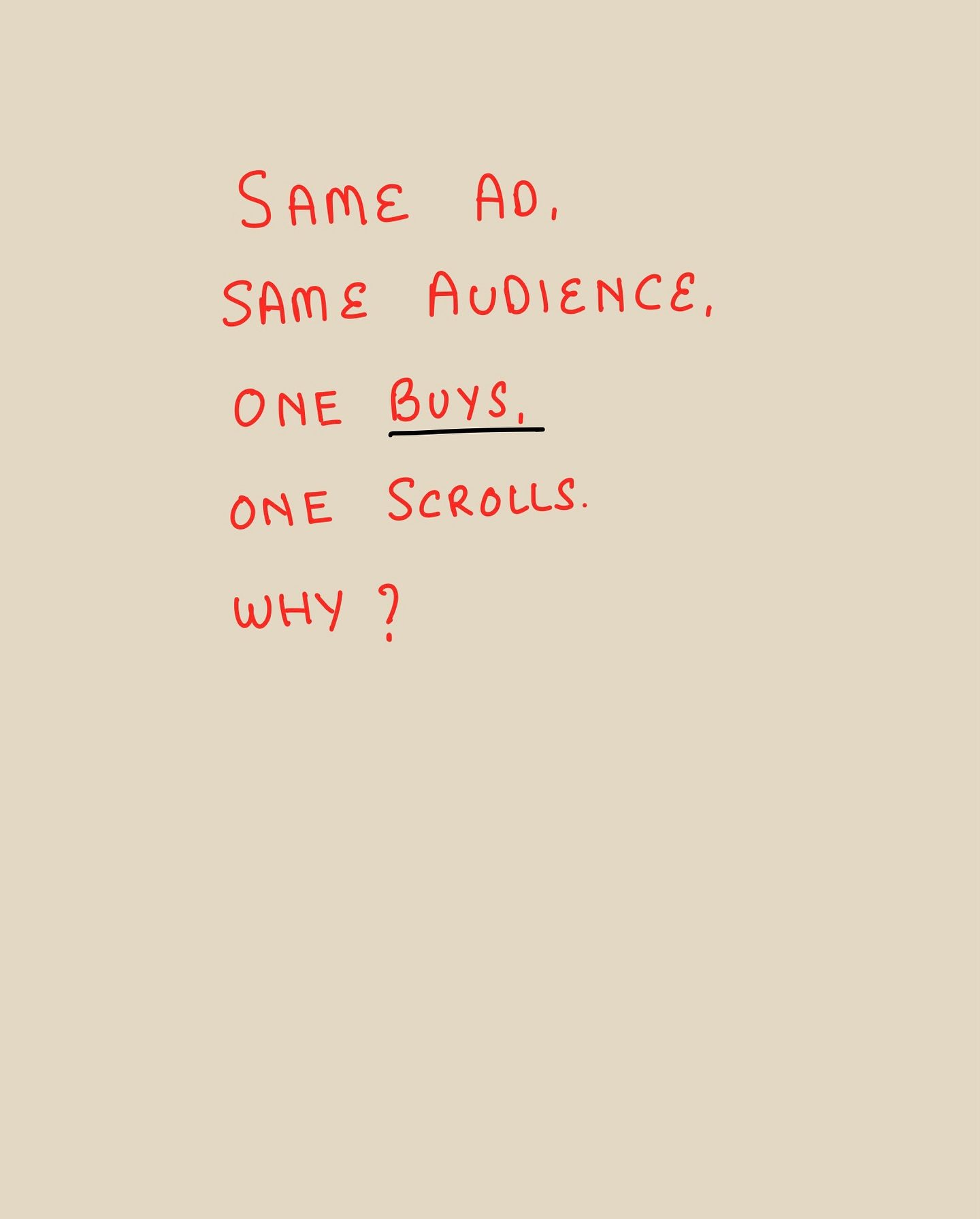
The disconnect between showing an ad to the same audience and actually converting viewers into buyers is a critical challenge in marketing. This gap highlights the need to focus on what makes your audience tick. Crafting a compelling narrative that aligns with their journey is essential for driving sales. The same ad shown to the same audience can yield vastly different results—one person may buy, while another scrolls past without a second thought. Understanding the 'why' behind this disparity is crucial for marketing success.
The Audience–Creative Fit Framework
The Audience–Creative Fit Framework is a strategic tool designed to align messaging with where people are in their journey. This framework helps marketers create content that resonates with their audience, even within a single campaign. By focusing on the audience’s mindset and crafting story angles that meet them where they are, marketers can improve the effectiveness of their campaigns.
The Bullseye Framework for Audience Targeting
One effective way to implement the Audience–Creative Fit Framework is through the bullseye framework. This visual tool uses concentric circles to represent different levels of audience understanding. The inner circle focuses on who they are, the middle circle on what they dream, and the outer circle on what they fear. Each bullseye represents a distinct persona, allowing marketers to tailor their messages for maximum relevance.
- Who They Are: Understanding the demographic and psychographic characteristics of your audience.
- What They Dream: Identifying the aspirations and goals of your target audience.
- What They Fear: Recognizing the obstacles and challenges that your audience faces.
By focusing on these three aspects, marketers can create messaging that is highly relevant and impactful. For example, if you are selling a premium standing desk priced at $799, you might want to highlight how it can transform their workspace, appeal to their desire for a healthier lifestyle, and address their fears about ergonomic issues.
Premium Standing Desk Example
Let's say you are selling a premium standing desk. The price point is $799, and you need to craft a narrative that resonates with your audience. The bullseye framework can help you understand who your buyers are, what they dream about (a more ergonomic and stylish workspace), and what they fear (back pain, poor posture). By addressing these elements, you can create a compelling story that speaks directly to your audience's needs and desires.
Practical Tips
-
Understand Your Audience: Use data and insights to deeply understand your audience's demographics, psychographics, and behaviors. This knowledge is the foundation of your marketing strategy.
-
Craft Relevant Messages: Tailor your messaging to address the fears, dreams, and current circumstances of your audience. Use storytelling techniques to make your messages resonant and memorable.
-
Use the Bullseye Framework: Implement the bullseye framework to visually map out your audience's needs and tailor your messaging accordingly. This can help you create highly targeted and effective campaigns.
-
Test and Iterate: Continuously test different messaging approaches and iterate based on performance data. What works for one audience segment may not work for another, so be prepared to adjust your strategy.
Important Takeaways
- Understanding the 'Why': The disconnect between showing an ad and driving sales lies in understanding the 'why' behind audience behavior. Great marketing starts with understanding the audience’s mindset.
- Audience–Creative Fit Framework: This framework helps align messaging with the audience’s journey, making your campaigns more effective.
- Bullseye Framework: A visual tool for understanding and targeting different audience personas by focusing on relevance, dreams, and fears.
Conclusion
As automation takes over more aspects of marketing, the ability to think critically and understand your audience becomes your secret weapon. By using the Audience–Creative Fit Framework and the bullseye framework, you can create messaging that resonates with your audience and drives sales. So, dive deeper into understanding your audience, craft compelling stories, and watch your campaigns thrive.
Questions readers ask
What is the Bullseye Framework and how does it aid in marketing?
The Bullseye Framework is a visual tool designed to help marketers align their messaging with the mindset and journey of their target audience. It assists in creating compelling narratives by understanding the dreams and fears of customers, which ultimately drives sales and enhances marketing effectiveness.
How does the Bullseye Framework address the challenges of automated advertising?
In an era of automated advertising, the Bullseye Framework emphasizes the importance of human insight and critical thinking. While platforms like Meta automate campaigns, the framework helps marketers create narratives that resonate with audiences, bridging the gap between ad exposure and conversion.
What is the significance of understanding the customer journey in the Bullseye Framework?
Understanding the customer journey is crucial in the Bullseye Framework as it allows marketers to tailor their messages at each stage— from awareness to consideration and finally to decision. This alignment ensures that the marketing message is relevant and impactful, guiding the customer through their journey effectively.
Why is it important to focus on the audience’s mindset in marketing strategies?
Focusing on the audience’s mindset helps marketers create more targeted and effective campaigns. By aligning marketing messages with what truly motivates and concerns the audience, marketers can craft narratives that speak directly to their needs and desires, leading to higher engagement and conversion rates.
How can the Bullseye Framework improve brand storytelling?
The Bullseye Framework improves brand storytelling by ensuring that the narratives are deeply rooted in the audience’s dreams and fears. This alignment makes the stories more relatable and compelling, fostering a stronger connection between the brand and the audience. It helps in creating stories that not only capture attention but also drive meaningful action.
What role does narrative play in the Bullseye Framework for effective marketing?
Narrative is a central component of the Bullseye Framework. It involves crafting story angles that resonate deeply with the audience, making the marketing message more engaging and persuasive. Effective narratives help in building a stronger emotional connection, which is crucial for driving sales and customer loyalty.
How can the Bullseye Framework help in creating sales-focused marketing messages?
The Bullseye Framework helps in creating sales-focused marketing messages by ensuring that the content is aligned with the customer’s mindset and journey. By crafting messages that address the specific needs, dreams, and fears of the audience, marketers can drive more effective marketing strategies that convert viewers into buyers.
Recent articles
Fresh deep dives from the latest Reels we unpacked.




Comments
Be the first to comment.