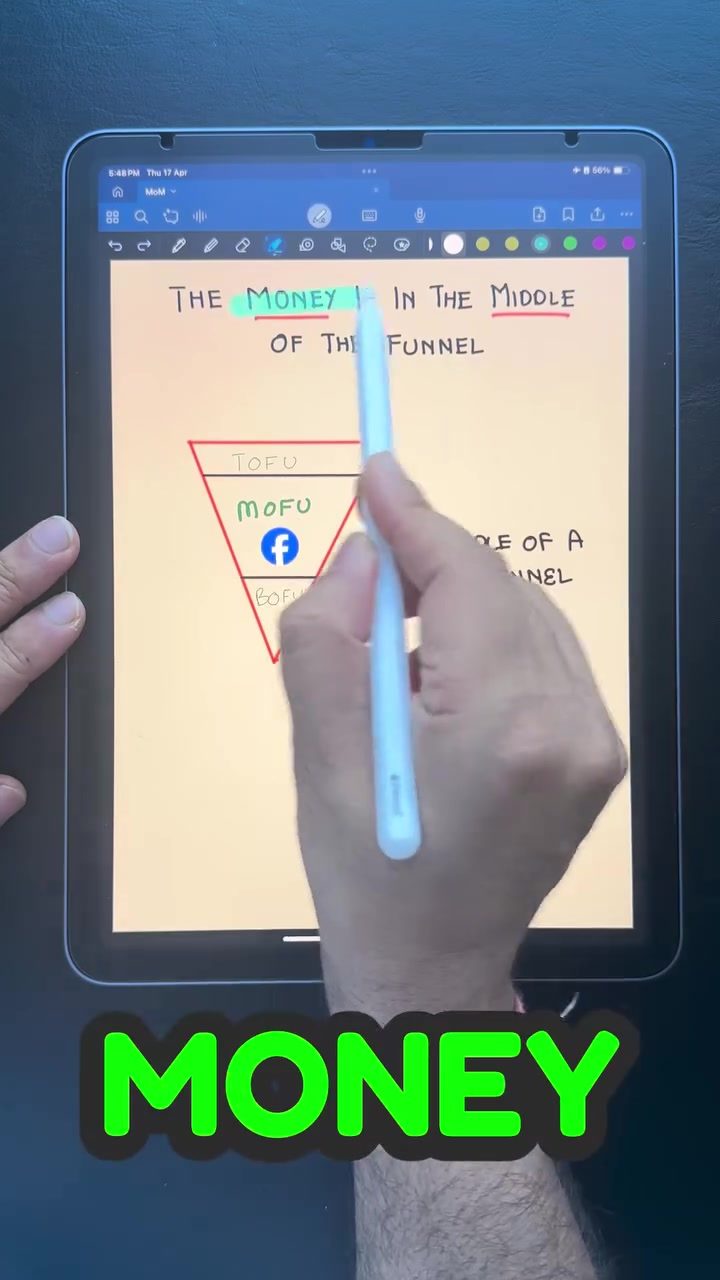
Funnel Marketing Strategy
The middle of the marketing funnel is a critical, often overlooked, aspect of driving sales. Understanding and leveraging this layer involves more than just using it; it's about continuously filling it with the right audiences and content. This approach, often referred to as the Middle of the Funnel (MOFU) strategy, involves targeting warm audiences—those who have already shown some level of interest but haven't yet made a purchase. The goal is to nurture these leads and guide them towards a final decision.
Context / Why This Matters
In the broader marketing funnel, the top (TOFU) focuses on attracting a broad audience and creating awareness. The bottom (BOFU) is about converting leads into customers and driving sales. However, the middle (MOFU) is where the magic happens. This is where you engage with audiences who have shown interest but haven't yet committed to a purchase. By focusing on MOFU, you can significantly boost your conversion rates and drive more sales.
Main Discussion
Understanding the Middle Funnel
The middle funnel audience consists of individuals who have already interacted with your brand but haven't converted yet. These interactions could include watching a significant portion of your videos, visiting your product pages, engaging with your content on social media, or even starting the checkout process without completing it. These are your warm audiences, and they are crucial for your marketing efforts.
Leveraging Middle Funnel Audiences
To effectively leverage MOFU, you need to understand the different segments within this layer. For example, people who have watched 75% of your videos, visited your product pages, or engaged with your content on platforms like Facebook or Instagram are all part of your middle funnel audience. These audiences are essential for running testing campaigns, but to scale, you'll need a larger audience size—at least 10 times the minimum required for testing.
Creative Archetypes for Middle Funnel
When creating content for the middle funnel, it's important to use the right creative archetypes. This could include:
- Explanatory Content: Explain why your product works and how it solves the problems of your target audience. Focus on the unique selling points and benefits that set your product apart.
- Customer Testimonials: Real-life stories and testimonials from satisfied customers can build trust and credibility. Highlight how your product has positively impacted their lives.
- Comparative Content: Compare your product with competitors, focusing on the advantages and unique features that make your product a better choice. Showcase why customers should choose your product over others.
- Mini Product Demos: Short, engaging demos can quickly show how your product works and its benefits. These demos can be more detailed than introductory content, highlighting specific features and use cases.
Practical Tips
Identifying and Segmenting Middle Funnel Audiences
- Analyze Engagement: Look at who has engaged with your content, such as watching a significant portion of your videos, visiting your product pages, or interacting with your social media posts.
- Track Behavior: Identify users who have started the checkout process but didn't complete it. These are warm leads who are close to converting.
- Engage Warm Audiences: Use targeted ads and content to re-engage these audiences. Remind them of the benefits and unique features of your product and why they should complete their purchase.
Scaling Middle Funnel Campaigns
When you have a solid foundation of middle funnel audiences, you can scale your campaigns. This involves:
- Increasing Audience Size: To effectively scale, you need a larger audience size. Use the minimum required audience for testing as a starting point and aim to increase it by at least 10 times.
- Continuous Testing: Continuously test different creative approaches and messaging to see what resonates best with your audience. Use the insights to refine your campaigns and improve performance.
- Content Variety: Use a mix of explanatory content, customer testimonials, comparisons, and mini product demos to keep your audience engaged and interested.
Filling the Middle Funnel
Filling the middle funnel is an ongoing process. It involves:
- Consistent Content Creation: Regularly create and share valuable content that resonates with your audience. This can include blog posts, videos, social media updates, and more.
- Engagement and Interaction: Engage with your audience through comments, messages, and other forms of interaction. Show them that you value their input and are committed to helping them.
- Targeted Ads: Use targeted ads to reach new audiences and bring them into your middle funnel. Continually refine your targeting to ensure you're reaching the right people.
Leveraging Customer Feedback
Customer feedback is a valuable resource for filling and optimizing the middle funnel. Use testimonials, reviews, and feedback to:
- Build Trust: Positive feedback from satisfied customers can build trust and credibility with new audiences. Share these testimonials prominently in your content.
- Identify Areas for Improvement: Use feedback to identify areas where your product or marketing efforts can be improved. This can help you refine your messaging and content to better resonate with your audience.
- Create Case Studies: Develop case studies that showcase real-life examples of how your product has helped customers. These can be powerful tools for engaging and converting middle funnel audiences.
Important Takeaways
The middle of the marketing funnel is a critical component that is often overlooked. By understanding and leveraging this layer, you can drive more sales and improve your conversion rates. Key takeaways include:
- Identify and Segment Warm Audiences: Understand who your middle funnel audiences are and segment them based on their interactions and behavior.
- Use the Right Creative Archetypes: Different types of content work best at different stages of the funnel. Use explanatory content, customer testimonials, comparisons, and mini product demos to engage and convert your middle funnel audiences.
- Scale Your Campaigns: To scale effectively, you need a larger audience size and continuous testing. Use the insights from your testing to refine and improve your campaigns.
- Fill the Middle Funnel Continuously: Filling the middle funnel is an ongoing process. Continue to create valuable content, engage with your audience, and use targeted ads to bring new audiences into your funnel.
Conclusion
Mastering the middle of the marketing funnel is essential for driving sales and improving conversion rates. By understanding and leveraging this layer, you can effectively engage and convert warm audiences. Focus on identifying and segmenting your middle funnel audiences, using the right creative archetypes, scaling your campaigns, and continuously filling the funnel with valuable content and engagement.
Questions readers ask
What are middle funnel audiences and why are they important?
Middle funnel audiences, or MOFU audiences, are individuals who have expressed interest in your brand but haven't made a purchase yet. They are important because focusing on these warm leads can significantly improve your conversion rates and ultimately boost sales. By nurturing these audiences, you can bridge the gap between initial interest and final purchase.
What is a MOFU marketing strategy and how does it work?
A MOFU marketing strategy involves targeting and engaging with warm leads—those who have shown interest but haven't converted yet. This strategy works by continuously providing these audiences with relevant, targeted content that addresses their needs and guides them towards making a purchase. The goal is to fill the middle layer of the funnel with the right content and audiences to drive sales effectively.
How can I improve lead nurturing techniques for MOFU audiences?
To improve lead nurturing for MOFU audiences, focus on providing personalized and valuable content that speaks directly to their interests and pain points. Use targeted email campaigns, retargeting ads, and engaging content such as webinars or blog posts to keep your brand top of mind and build trust. Regularly assess and optimize your engagement strategies based on audience feedback and data.
What are some effective ways to use ads with a MOFU strategy?
Using ads effectively in a MOFU strategy involves retargeting individuals who have already interacted with your brand but haven't converted. Tailor your ads to address specific objections or needs they may have, and use compelling calls-to-action to encourage further engagement. Consider using a combination of display ads, search ads, and social media ads to maintain visibility and drive your warm leads towards the bottom of the funnel.
How can I optimize the middle funnel to boost sales?
To optimize the middle funnel and boost sales, focus on filling it with the right audiences and content. This involves understanding your audience intelligence to tailor your messaging and offers. Use analytics to identify which content and strategies are most effective in moving leads through the funnel, and continuously refine your approach based on performance data. Regularly review and update your content to ensure it remains relevant and engaging.
What are some key metrics to track for MOFU audience engagement?
Key metrics to track for MOFU audience engagement include click-through rates, conversion rates on targeted content, time spent on page, and overall engagement with your brand. Additionally, tracking the number of leads moving from the middle to the bottom of the funnel and the number of leads converting into customers can provide valuable insights into the effectiveness of your MOFU strategy. Regularly analyzing these metrics can help you optimize your approach and improve overall sales.
How can I ensure continuous filling of the middle funnel?
To ensure the middle funnel is continuously filled, focus on consistent lead generation efforts and effective lead nurturing techniques. Use a variety of channels to attract and engage potential leads, such as social media, content marketing, and paid advertising. Regularly update and optimize your content to keep it relevant and engaging, and leverage audience intelligence to tailor your messaging and offers to specific segments. By maintaining a steady flow of warm leads, you can sustain a healthy middle funnel.
Recent articles
Fresh deep dives from the latest Reels we unpacked.




Comments
Be the first to comment.