Cars and the Law: What You Need to Know
Driving is a significant part of life in the United States, with millions of people traversing the country’s roads daily. However, the laws governing cars and their usage can vary greatly by state, leading to unexpected legal issues for both locals and visitors. Understanding these regulations can help ensure a smoother driving experience and prevent unwanted legal complications.
Why This Matters
With over 280 million registered vehicles nationwide, it is crucial to be familiar with the specific laws that govern car usage in different states. Ignorance of these laws can result in fines, penalties, and even legal action. Beyond the financial consequences, understanding these regulations can help maintain safety on the roads, ensuring a smooth and legal driving experience.
Main Discussion
Alcohol and Open Containers
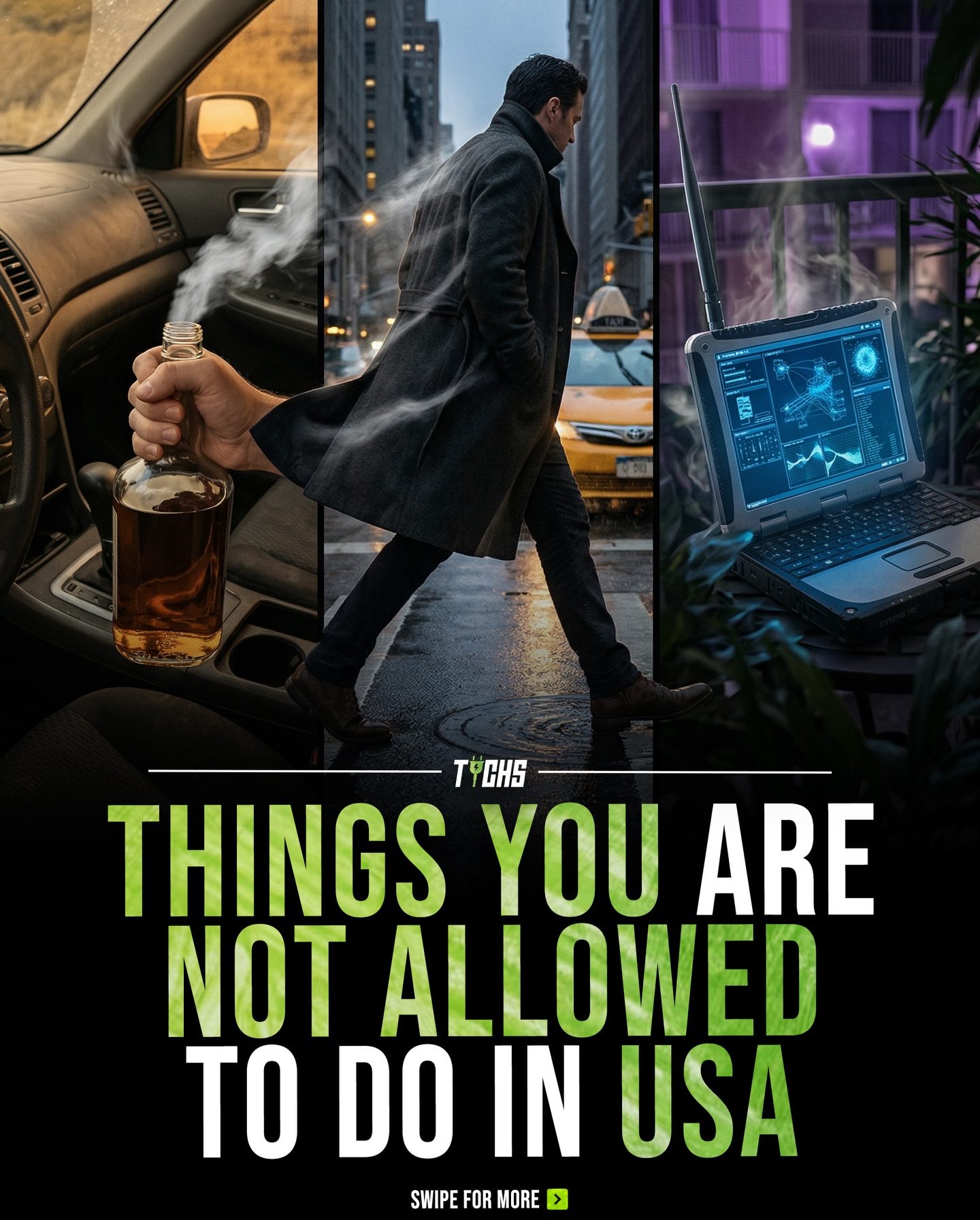
One area where state laws can greatly differ is regarding alcohol consumption and open containers in vehicles. For instance, in California, open alcohol containers in vehicles are strictly restricted. This means that having an open container of alcohol in your vehicle, regardless of whether you are the driver or a passenger, can lead to legal consequences. This law is in place to reduce the chances of impaired driving and enhance road safety.
Found Property and Theft
Another surprising legal point is the handling of found property. In many states, failing to report found property can be treated as theft. This means that if you find an item and do not report it to the authorities, you could potentially face legal repercussions. The specifics of these laws can vary by jurisdiction, but the general principle is to encourage the return of lost items to their rightful owners.
Jaywalking in Urban Areas
In densely populated urban areas like New York City, pedestrian laws can be particularly strict. Jaywalking, the act of crossing the road without using a designated crosswalk, can result in fines. These regulations are in place to maintain order on the streets and reduce the risk of accidents. Understanding and adhering to these rules can help pedestrians avoid unnecessary penalties.
Car Sleep Restrictions
San Diego has specific laws regarding sleeping in your car. According to San Diego Municipal Code 86.0137, sleeping in your car is restricted in certain locations and during certain times. These restrictions are typically in place to prevent disturbances and ensure public safety. If you plan to spend the night in your car, it is essential to be aware of these restrictions to avoid legal issues.
Mandatory Car Insurance
In states like Texas, driving without car insurance is illegal. This requirement is mandatory, and driving without it can result in fines, license suspension, or even imprisonment. Car insurance is crucial as it provides financial protection in case of accidents, covering damages and medical expenses. When traveling, it is essential to check the local insurance requirements and ensure you are adequately covered.
Homemade Food Sales
Texas is renowned for its cottage food laws. These regulations govern the sale of homemade food items, ensuring they meet specific health and safety standards. This includes guidelines for labeling, storage, and preparation to protect consumers from foodborne illnesses.
Unauthorized WiFi Access
In Florida, accessing someone else’s WiFi without permission can be considered unauthorized access, a criminal offense. This law is in place to protect the privacy and security of network users. Always seek permission before connecting to a private network to avoid legal complications.
Practical Tips
When traveling or driving in different states, it is essential to familiarize yourself with local laws and regulations. Here are some practical tips to ensure a smooth and legal driving experience:
- Research Local Laws: Before traveling, research the specific laws and regulations of the states you plan to visit. This includes understanding alcohol and open container laws, pedestrian regulations, and car sleep restrictions.
- Stay Insured: Ensure you have adequate car insurance coverage that meets the requirements of the states you will be visiting. This can save you from significant legal and financial troubles.
- Report Found Property: If you find lost property, report it to the local authorities. This not only helps in returning the item to its rightful owner but also keeps you on the right side of the law.
- Be Aware of Public Behavior Laws: Understand and follow public behavior laws, such as jaywalking regulations, to avoid unnecessary penalties.
- Secure WiFi Access: Always seek permission before accessing a private WiFi network to avoid unauthorized access charges.
Important Takeaways
- Different States, Different Laws: Laws regarding cars and public behavior can vary significantly from state to state. Always be aware of local regulations to avoid legal issues.
- Insurance is Non-Negotiable: In many states, having valid car insurance is mandatory. Ensure you have the right coverage before hitting the road.
- Respect Public and Private Property: Adhere to laws regarding found property and unauthorized access to private networks.
- Stay Safe and Legal: Follow local traffic and pedestrian laws to maintain road safety and avoid fines. Consider these laws as essential guidelines to ensure a smooth and legal driving experience in the United States.
Conclusion
Whether you are a resident or a visitor, understanding the laws that govern car usage and public behavior in the United States can significantly enhance your experience. From alcohol and open container laws to pedestrian regulations and car insurance requirements, being informed can save you from legal troubles and ensure a safe and enjoyable journey. Always prioritize research and compliance to enjoy a smooth and hassle-free time on the road.
Questions readers ask
How do alcohol laws vary by state while driving across the USA?
Alcohol laws can significantly differ from state to state. Some states have strict open container laws, while others may have lower blood alcohol concentration (BAC) limits. For instance, in some states, the legal BAC limit is 0.08%, but in others, it can be lower for certain drivers, such as those under 21 or commercial drivers. Understanding these differences is crucial for staying compliant with the law and avoiding penalties.
What should I do if I find property in my car while on a road trip?
Found property laws can vary by state. Generally, if you find property in your car, you should attempt to locate the owner. If you cannot, you may need to turn the item over to local law enforcement or a designated authority, depending on state laws. It's essential to check the specific regulations for the state you are in to ensure you handle the situation correctly.
What are the specific car insurance requirements by state in the US?
Car insurance requirements vary by state. Most states require a minimum amount of liability insurance, but some may also require personal injury protection (PIP) or uninsured/underinsured motorist coverage. For example, Texas requires a minimum of $30,000 for each injured person, up to a total of $60,000 per accident, and $25,000 for property damage. Always check the specific requirements for the states you plan to drive through to ensure you are compliant.
What is the mandatory car equipment I need to have for interstate driving in the USA?
While specific requirements can vary, there are some universal pieces of equipment that are mandatory for interstate driving. This includes a valid driver's license, proof of insurance, and proper registration for your vehicle. Other items, such as reflective triangles, may also be required in certain states. Additionally, some states mandate specific equipment like winter tires during certain months, so it's important to check the regulations for the states you will be traveling through.
What are the driving rules in Texas?
Texas has specific driving rules that drivers should be aware of. For example, Texas has a strict ban on using hand-held devices while driving. Drivers must also follow specific rules regarding seat belts, child safety seats, and open container laws. Always check the latest regulations, as laws can change and may vary by city or county within the state.
What are the driving rules in San Diego, California?
San Diego follows California's state-wide driving laws, with some local ordinances. For example, San Diego has strict laws regarding parking in residential areas and uses a system of permit zones. Drivers must also adhere to California's rules on lane splitting, where motorcycles are allowed to pass between cars in traffic. Always check for any local regulations that may apply to your specific route or destination.
Are there laws regarding sleeping while driving in the USA?
While there are no federal laws specifically addressing sleeping while driving, many states have regulations against drowsy driving. Some states may have laws that prohibit stopping or sleeping in certain areas, such as on the shoulder of a highway. It's essential to find a safe, designated area to rest, such as a rest stop or parking lot, to avoid potential legal issues and ensure your safety.
Related deep dives
Similar reads based on topic and creator.




Recent articles
Fresh deep dives from the latest Reels we unpacked.




Comments
Be the first to comment.