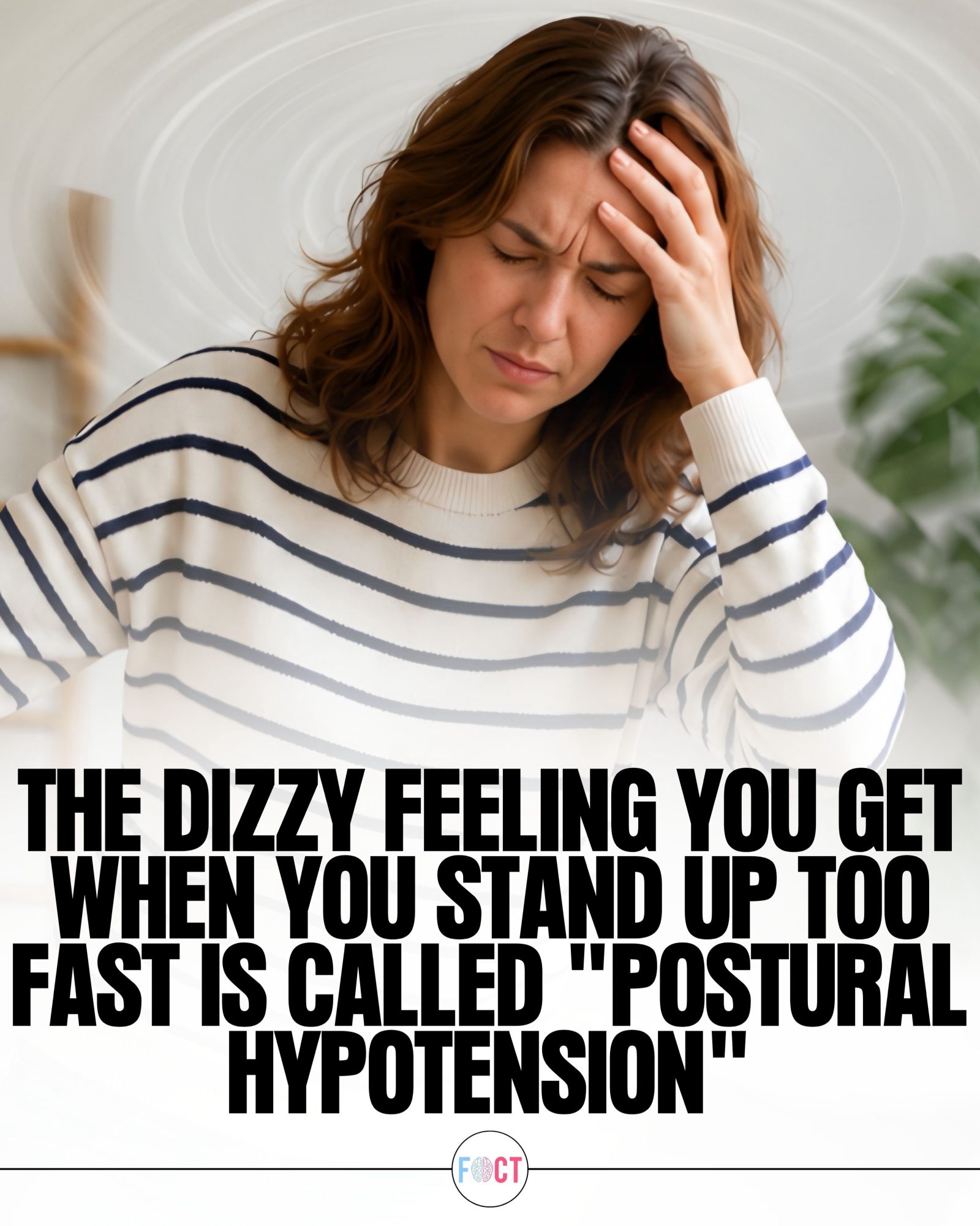
Postural Hypotension
Postural hypotension, also known as orthostatic hypotension, is that sudden dizzy or lightheaded sensation you feel when standing up too quickly. It's a common experience that can happen to anyone, but understanding the causes and potential implications can help manage and mitigate the symptoms.
Understanding Postural Hypotension
What is Postural Hypotension?
Postural hypotension is triggered when the body's cardiovascular system struggles to adapt to changes in position, particularly when moving from a sitting or lying position to standing. Gravity pulls blood down towards the legs, temporarily reducing the amount of blood flow to the brain. This brief drop in blood pressure can cause symptoms like dizziness, blurred vision, weakness, or a fleeting "head rush." These symptoms are usually short-lived as the body quickly adjusts and restores normal circulation.
What Causes Postural Hypotension?
Postural hypotension is more than just a momentary discomfort; it can be associated with several underlying factors:
- Dehydration: Insufficient fluid intake can lead to a decrease in blood volume, making it harder for the body to maintain stable blood pressure.
- Prolonged Bed Rest: Extended periods of inactivity can lead to reduced blood volume and impaired cardiovascular adaptation.
- Medications: Certain drugs, such as diuretics, blood pressure medications, and some antidepressants, can affect the body's ability to regulate blood pressure.
- Anemia: Low iron levels can reduce the oxygen-carrying capacity of the blood, leading to symptoms when standing up.
- Underlying Conditions: Heart and nervous system disorders, such as Parkinson's disease, can impair the body's ability to regulate blood pressure effectively.
Why This Matters
While postural hypotension is generally harmless and resolves quickly, frequent or severe episodes can be a sign of an underlying health issue. Recognizing the triggers and understanding how to manage the symptoms can help you take control of your health and reduce the likelihood of more serious complications.
Managing Postural Hypotension
Lifestyle Changes
Making small adjustments to your daily routine can significantly reduce the occurrence of postural hypotension:
- Stay Hydrated: Drink plenty of fluids to maintain adequate blood volume.
- Eat a Balanced Diet: Ensure you consume a diet rich in nutrients, including iron, to support your body's needs.
- Gradual Movements: Avoid sudden position changes. Instead, move slowly from sitting to standing and take your time getting out of bed.
- Avoid Triggers: Be mindful of medications and other factors that might contribute to your symptoms. If you suspect a medication is causing issues, consult your healthcare provider.
Practical Tips for Managing Symptoms
In addition to lifestyle changes, there are some practical tips you can use to manage symptoms when they occur:
- Cross Your Legs: When you stand up, cross your legs for a moment. This can help to increase blood flow to your brain.
- Flex Your Thigh Muscles: Tensing the muscles in your legs can help to temporarily increase blood flow and alleviate symptoms.
- wear Compression Stockings: These can help to prevent blood from pooling in your legs, thereby reducing the likelihood of postural hypotension.
When to Seek Medical Attention
While most cases of postural hypotension are mild and transient, persistent or severe symptoms should be evaluated by a healthcare professional. If you experience frequent episodes, it's important to rule out any underlying conditions that might be contributing to your symptoms. A medical evaluation can help identify any potential issues and develop a plan to manage them effectively.
- Frequent Episodes: If you experience postural hypotension more than a few times a week, it's worth discussing with your doctor.
- Persistent Symptoms: If symptoms linger for more than a few seconds or are particularly severe, seek medical advice.
- Co-occurring Conditions: If you have other health conditions, such as heart disease or diabetes, it's important to monitor your symptoms and consult your healthcare provider.
Important Takeaways
Postural hypotension is a common condition that affects many people, but it's often misunderstood and overlooked. By understanding the causes and triggers, you can take proactive steps to manage your symptoms and maintain your health. If you experience frequent or severe episodes, don't hesitate to seek medical attention to rule out any underlying conditions. Remember, while postural hypotension is usually nothing to worry about, it can be a sign of more serious health issues in some cases.
Conclusion
Postural hypotension, the dizzy sensation you feel when standing up too quickly, is a common but often misunderstood condition. By taking proactive steps to manage your symptoms and being aware of potential triggers, you can reduce the impact of postural hypotension on your daily life. If you experience frequent or severe episodes, consult a healthcare professional to rule out any underlying conditions and develop a plan to manage your symptoms effectively. Understanding and managing postural hypotension can help you take control of your health and improve your overall well-being.
Questions readers ask
What exactly happens in the body during postural hypotension?
During postural hypotension, your body's cardiovascular system has trouble adjusting to changes in position. When you stand up, gravity pulls blood towards your legs, which can lead to a brief decrease in blood flow to your brain. This sudden change often results in symptoms like dizziness, blurred vision, and weakness.
What are some common causes of postural hypotension?
Postural hypotension can be caused by a variety of factors, including dehydration, prolonged bed rest, certain medications, and underlying health conditions like diabetes or Parkinson's disease. Even aging can affect your body's ability to regulate blood pressure effectively, leading to this issue.
Why does postural hypotension make me feel dizzy when I stand up?
The dizziness you experience is due to a temporary drop in blood pressure and reduced blood flow to the brain. When you stand up quickly, the blood vessels in your legs may not constrict fast enough to compensate for the change in position, resulting in that lightheaded or dizzy sensation.
Are there specific groups of people who are more likely to experience postural hypotension?
Yes, certain groups are more prone to postural hypotension, including the elderly, people with diabetes, and those with neurological disorders like Parkinson's disease. Additionally, individuals who are dehydrated, have been bedridden for a while, or are taking specific medications may also be at a higher risk.
How can I manage postural hypotension at home?
To manage postural hypotension at home, try to stand up slowly, especially after sitting or lying down. You can also perform isometrics, which are quick tensing and relaxing of muscles, in your legs before standing. Another helpful tip is to avoid sudden movements and to drink plenty of water to stay hydrated. If your symptoms persist, consult a healthcare provider.
Can medications affect postural hypotension?
Yes, certain medications can contribute to or exacerbate postural hypotension. These include medications for high blood pressure, antidepressants, and diuretics. If you suspect that your medication may be causing or worsening your symptoms, it's important to consult your healthcare provider for advice tailored to your specific situation.
When should I worry about postural hypotension?
While occasional episodes of postural hypotension are generally not a cause for concern, you should seek medical attention if you experience frequent symptoms, experience severe dizziness or fainting, have a history of heart disease, or if your symptoms are accompanied by other concerning symptoms such as chest pain or difficulty breathing.
Related deep dives
Similar reads based on topic and creator.


Recent articles
Fresh deep dives from the latest Reels we unpacked.




Comments
Be the first to comment.