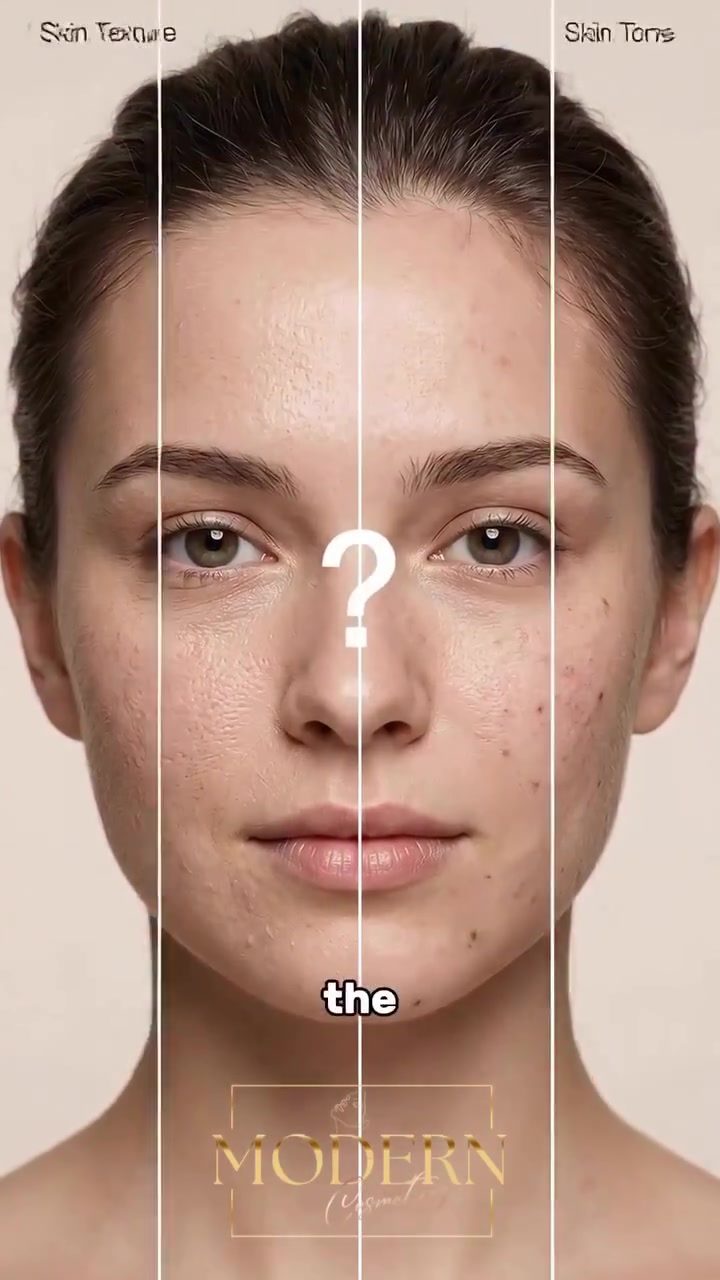
Skin Texture vs. Skin Tone: Understanding the Difference
The distinction between skin texture and skin tone is often misunderstood, but grasping the difference is crucial for effective skincare. Both aspects play a significant role in the overall appearance and health of the skin, and understanding each can help tailor a more effective skincare routine.
Why This Matters
Recognizing the difference between skin texture and skin tone is vital for addressing specific skin concerns. Skin texture and skin tone are not the same, and confusing them can lead to ineffective skincare choices. By understanding each aspect, individuals can select appropriate treatments and products to address their unique skin issues. This knowledge is the first step toward achieving healthier, more radiant skin.
Skin Texture and Skin Tone: Key Differences
Defining Skin Texture
Skin texture refers to the surface of your skin—how smooth or uneven it appears. Key factors that contribute to skin texture include:
- Pores: Enlarged or visible pores can give the skin a rough, uneven look.
- Fine lines and wrinkles: These are often the first signs of aging and can affect the overall smoothness of the skin.
- Roughness: Dryness, dehydration, and other skin conditions can lead to a rough texture.
- Smoothness: The overall feel and appearance of the skin, influenced by hydration, collagen production, and skin health.
Healthy skin texture is generally smooth and even, with minimal visible pores and fine lines. Poor skin texture can be the result of various factors, including aging, sun damage, dehydration, and certain skin conditions.
Defining Skin Tone
Skin tone, on the other hand, refers to the color of your skin, including:
- Natural complexion: The inherent color of your skin, which can range from very light to very dark.
- Pigmentation: Dark spots, age spots, or other areas of hyperpigmentation.
- Redness: Flushing, rosacea, or other forms of skin redness.
- Uneven patches: Discoloration or blotchy areas.
Even skin tone is characterized by a uniform color with minimal discoloration or redness. Uneven skin tone can be caused by a variety of factors, including sun damage, hormonal changes, and skin conditions like melasma or hyperpigmentation.
Understanding the Connection
Both skin texture and skin tone are interconnected and can influence each other. For example, poor skin texture can sometimes exacerbate issues like pigmentation and uneven skin tone. Conversely, uneven skin tone can make the skin appear more textured due to discoloration.
You Can Have...
- Smooth Skin with Uneven Tone: This means your skin might feel smooth, but it has uneven coloration, such as age spots or redness.
- Even Skin Tone with Uneven Texture: This indicates that your skin tone is uniform, but the surface is rough or uneven, with issues like enlarged pores or fine lines.
Maintaining Healthy Skin
Skincare Routine for Texture
Improving skin texture involves a combination of exfoliation, hydration, and nourishment:
- Exfoliation: Regular exfoliation helps remove dead skin cells and promotes cell turnover, resulting in smoother skin. Both chemical and physical exfoliants can be effective, depending on your skin type.
- Hydration: Keeping the skin hydrated is essential for maintaining a smooth texture. Drink plenty of water, use moisturizers, and consider incorporating hydrating serums into your routine.
- Nourishment: Products rich in antioxidants, vitamins, and peptides can help improve skin texture by promoting collagen production and repairing damage.
Skincare Routine for Tone
Addressing skin tone issues typically involves focusing on brightness and pigmentation:
- Vitamin C: This powerful antioxidant can help brighten the skin and reduce the appearance of dark spots.
- AHA (Alpha Hydroxy Acids): These can help even out skin tone by gently exfoliating and promoting cell turnover.
- Sunscreen: Daily use of sunscreen is crucial for protecting the skin from UV damage, which can cause pigmentation and redness.
Practical Tips
Choosing the Right Products
When selecting skincare products, consider your specific skin concerns:
- For Texture: Look for products that contain ingredients like retinol, glycolic acid, or lactic acid, which can help improve skin texture.
- For Tone: Opt for products with niacinamide, vitamin C, or kojic acid, which can help brighten and even out skin tone.
Professional Treatments
Consider professional treatments for more targeted results:
- Chemical Peels: These can help improve both skin texture and tone by exfoliating the skin and promoting new cell growth.
- Laser Treatments: Laser therapies can target specific skin concerns, such as pigmentation or redness, and improve overall skin appearance.
Important Takeaways
- Skin Texture and Tone are Different: Understanding the distinction is key to addressing specific skin issues effectively.
- Customized Skincare: Tailor your skincare routine to address both texture and tone for optimal results.
- Consistent Care: Regular skincare and sun protection are essential for maintaining healthy skin.
Conclusion
Understanding the difference between skin texture and skin tone is crucial for a comprehensive skincare approach. By recognizing the unique characteristics of each and addressing them with the right products and treatments, you can achieve healthier, more radiant skin.
Questions readers ask
What exactly is skin texture and why is it important to understand it?
Skin texture refers to the smoothness and appearance of your skin's surface. It is affected by factors such as pores, wrinkles, and hydration levels. Understanding skin texture is important because it helps you identify specific issues like uneven skin or roughness, allowing you to choose the right products and treatments to improve your skin's overall look and feel.
How can I tell if I have uneven skin texture?
Uneven skin texture can manifest as roughness, bumps, or a generally uneven surface. It might also present as enlarged pores or visible fine lines. To assess your skin texture, you can run your fingers over your skin or use a magnifying mirror to examine your pores and surface.
What is skin tone and how does it differ from skin texture?
Skin tone refers to the coloration and pigmentation of your skin. It includes the overall complexion as well as any discolorations, such as age spots, acne scars, or redness. While skin texture is about the surface feel and appearance, skin tone is about the skin's color and brightness.
Can skin texture and tone be improved?
Yes, both skin texture and tone can be improved with the right skincare routine. For skin texture, focus on exfoliation, hydration, and products that target specific concerns like wrinkles or enlarged pores. For skin tone, look for products that address pigmentation issues, such as serums with vitamin C or niacinamide, and consider professional treatments like chemical peels or laser therapy.
What are some common treatments for improving skin texture?
Common treatments for improving skin texture include regular exfoliation with chemical or physical exfoliants, using hydrating serums and moisturizers, and incorporating retinoids or peptides into your skincare routine. For more advanced concerns, consider professional treatments like microdermabrasion, chemical peels, or laser resurfacing.
Recent articles
Fresh deep dives from the latest Reels we unpacked.




Comments
Be the first to comment.