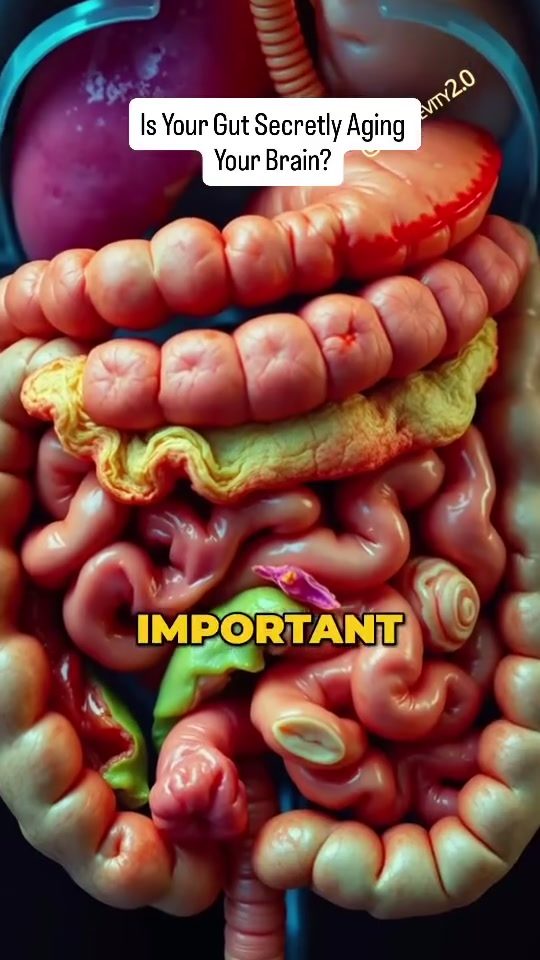
Gut Health and Brain Connection
The connection between gut health and brain aging is a fascinating area of scientific exploration. Recent research is revealing a powerful link between gut health, chronic inflammation, and age-related diseases like Alzheimer’s. This connection is so significant that it might change how we approach the prevention and treatment of these conditions.
Why this Matters
As we age, the gut-blood barrier can weaken, leading to a condition known as "leaky gut." This allows bacteria and other substances to escape from the gut into the bloodstream. This phenomenon is increasingly recognized as important for aging and age-related diseases. The implications of this are profound, as scientists are finding bacterial traces in cancer tissues and even in the brains of Alzheimer’s patients. This suggests that gut health might be a critical factor in the development of these diseases.
Gut-Blood Barrier and Leaky Gut
The gut-blood barrier is a critical component of the digestive system, acting as a selective barrier that controls the passage of substances from the gut into the bloodstream. When this barrier becomes compromised, it can lead to a condition known as "leaky gut." This condition allows bacteria and other substances to leak into the bloodstream, potentially causing inflammation and other health issues.
The Role of Bacteria
One of the most intriguing findings is the presence of bacteria in cancer tissues and the brains of Alzheimer’s patients. This suggests that bacteria from the gut might be playing a role in the development of these diseases. While the exact mechanisms are still being studied, it is clear that inflammation is a key factor. Chronic inflammation is a hallmark of many age-related diseases, and it is thought that bacteria in the tissues could be creating this inflammation.
Inflammation and Aging
Inflammation is a natural response of the body to injury or infection, but chronic inflammation can be harmful. It is now known that inflammation is a significant contributor to the aging process and the development of many age-related diseases. By understanding the role of the gut in inflammation, we might be able to develop new strategies for preventing and treating these conditions.
Practical Tips
Given the potential impact of gut health on brain aging, it is essential to take steps to protect your gut and reduce inflammation. Here are some practical tips to support gut health and longevity:
Protect Your Gut
- Diet: Consume a fiber-rich diet that includes plenty of fruits, vegetables, and whole grains. These foods support a healthy gut microbiome.
- Probiotics and Prebiotics: Incorporate probiotics and prebiotics into your diet. Probiotics are live bacteria and yeasts that are good for your digestive system, while prebiotics are types of fiber that feed the good bacteria in your gut.
- Hydration: Stay hydrated by drinking plenty of water. This helps to keep your digestive system functioning properly.
Reduce Inflammation
- Anti-Inflammatory Diet: Follow an anti-inflammatory diet that includes foods like fatty fish, nuts, seeds, and colorful fruits and vegetables.
- Exercise Regularly: Regular physical activity can help to reduce inflammation and improve overall health.
- Manage Stress: Chronic stress can contribute to inflammation. Practice stress-reduction techniques like meditation, yoga, or deep breathing exercises.
Support Longevity
- Regular Check-Ups: Regular medical check-ups can help to identify any issues early and take appropriate action.
- Avoid Smoking and Limit Alcohol: Smoking and excessive alcohol consumption can damage the gut and contribute to inflammation.
- Adequate Sleep: Getting enough sleep is essential for overall health and can help to reduce inflammation.
Important Takeaways
Understanding the connection between gut health and brain aging opens up new avenues for prevention and treatment. By focusing on gut-driven inflammation, we may be able to address the root causes of aging and neurodegeneration. This shift in perspective could lead to more effective strategies for promoting longevity and overall health.
Maintaining a healthy gut is not just about avoiding digestive issues; it is about supporting overall health and well-being. By taking steps to protect your gut and reduce inflammation, you can support your body's natural defenses and promote longevity from the inside out.
Conclusion
The connection between gut health and brain aging is a complex and evolving area of research. Recent findings suggest that the gut-blood barrier plays a crucial role in aging and age-related diseases. By understanding this connection, we can take steps to protect our gut, reduce inflammation, and support longevity. As research continues to uncover the intricate relationship between the gut and the brain, we may be able to develop more effective strategies for preventing and treating age-related diseases.
Questions readers ask
What is the gut-brain connection and why is it relevant to Alzheimer's disease?
The gut-brain connection refers to the communication and interplay between the gut microbiome and the brain. It's relevant to Alzheimer's disease because inflammation triggered by gut issues, such as a leaky gut, can potentially contribute to the development and progression of Alzheimer's.
How does a leaky gut contribute to Alzheimer's disease?
A leaky gut occurs when the gut-blood barrier weakens, allowing bacteria and other substances to enter the bloodstream. This can trigger inflammation, which may promote the development of Alzheimer's disease and other aging-related conditions, as the body responds to the presence of these foreign substances.
What are some common symptoms of a leaky gut?
Symptoms of a leaky gut can vary but may include bloating, chronic fatigue, food sensitivities, digestive issues like gas and diarrhea, and even brain fog. If you suspect you have a leaky gut, it's important to consult with a healthcare professional for proper evaluation and guidance.
Can improving gut health help prevent Alzheimer's disease?
While there's no guarantee, maintaining good gut health may help lower the risk of Alzheimer's disease. A healthy gut can reduce inflammation, which is a key factor in many aging-related conditions, including Alzheimer's. This can be achieved through a balanced diet, regular exercise, and stress management.
What are some natural ways to support gut health and potentially reduce Alzheimer's risk?
To support gut health naturally, focus on a diet rich in fiber, probiotics, and prebiotics. Regular physical activity and adequate sleep can also promote a healthy gut. Additionally, staying hydrated and managing stress can contribute to overall gut health and potentially reduce the risk of Alzheimer's disease.
What role does inflammation play in the gut-brain connection and Alzheimer's disease?
Inflammation is a key player in the gut-brain connection. When the gut barrier is compromised, bacteria and toxins can enter the bloodstream, triggering an inflammatory response. Chronic inflammation can then affect the brain, potentially contributing to the development and progression of Alzheimer's disease.
How can I test if I have a leaky gut?
To test for a leaky gut, consult with a healthcare professional. They may recommend a lactulose or mannitol test, which involves drinking a solution and then testing urine samples. Other tests, like a comprehensive stool analysis, can also provide insights into gut health. However, these tests should be interpreted by a qualified professional.
Recent articles
Fresh deep dives from the latest Reels we unpacked.




Comments
Be the first to comment.