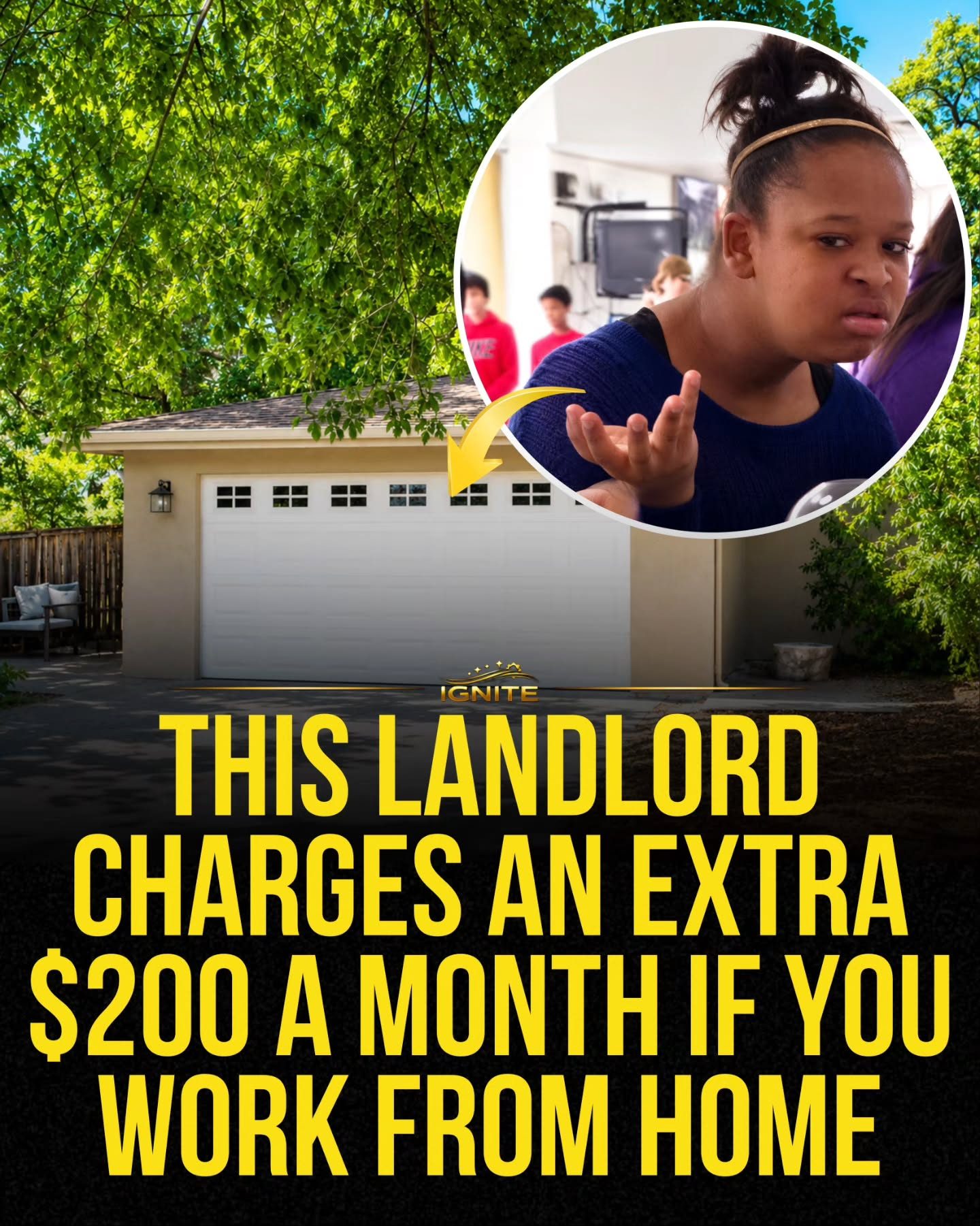
Landlord Charges Extra for Working from Home
In recent years, the shift to remote work has brought about numerous changes in how we live and work. However, for some renters, this shift has resulted in unexpected financial burdens. Specifically, some landlords are charging extra for tenants who work from home.
The practice of adding a surcharge for working from home has raised many questions and concerns. Let's delve into the details of this trend, its implications, and what tenants can do to navigate this situation.
Why This Matters
The surge in remote work, accelerated by the COVID-19 pandemic, has made many people reconsider where they live and how they use their living spaces. For renters, this has meant a newfound appreciation for a home office or a quiet corner to conduct virtual meetings. However, for some landlords, this shift has presented an opportunity to impose additional fees.
Understanding the Extra Charges
What is the Justification?
Landlords who implement extra charges for working from home often justify these fees by citing increased wear and tear on the property. They argue that tenants working from home will likely use more utilities, such as electricity and internet, and may cause additional damage to the property. The extra charge can vary widely but often amounts to a significant sum, such as $200 per month.
Legal and Ethical Considerations
The legality of such charges can be murky and depends on local and state laws, as well as the terms of the lease agreement. In some jurisdictions, landlords may need to provide a clear justification for the additional fees and ensure that these fees are not discriminatory. However, in some places, the practice may fall into a legal gray area.
From an ethical standpoint, the practice raises questions about fairness and transparency. Tenants may feel that they are being penalized for a change in work arrangement that they did not choose.
Practical Tips for Tenants
Review Your Lease Agreement
Before accepting any additional charges, tenants should carefully review their lease agreements. Look for any clauses that address working from home or additional fees. If the lease does not explicitly mention such charges, tenants may have grounds to contest them.
Negotiate with Your Landlord
If you find yourself facing an extra charge for working from home, it's worth having an open conversation with your landlord. Explain your situation and ask for a clear justification for the fee. You may be able to negotiate a lower fee or find a compromise that works for both parties, such as staggered payments.
Seek Legal Advice
If negotiations fail, it may be worthwhile to seek legal advice. A legal professional can help you understand your rights as a tenant and provide guidance on how to proceed. In some cases, you may be able to take legal action against the landlord if the charges are deemed unjust or discriminatory.
Important Takeaways
Remote work has become a significant part of modern life, and it's essential to understand the potential implications for renters. Landlords charging extra for working from home is a growing trend that tenants should be aware of. By understanding your lease, negotiating with your landlord, and seeking legal advice when necessary, you can protect your rights and ensure a fair rental experience.
Conclusion
The trend of landlords charging extra for working from home presents a new challenge for tenants. As remote work continues to be a prevalent part of the workforce, it's crucial to stay informed about your rights and the potential financial implications. By taking proactive steps, tenants can navigate this issue and ensure a fair and transparent rental experience.
Questions readers ask
Why are some landlords charging extra for tenants who work from home?
Landlords may charge extra for tenants who work from home due to perceived increased wear and tear on the property, higher utility usage, and potential damage from office equipment. They argue that remote work can lead to more significant use of the property during the day, which may necessitate additional maintenance and repairs.
Is it legal for a landlord to charge more if I work from home?
The legality of this practice can vary by location. Some jurisdictions may have specific laws or regulations that protect tenants from such fees if they are deemed discriminatory or unreasonable. Tenants should review local tenancy laws or consult with a legal professional to understand their rights.
How can I dispute extra fees for working from home?
If you believe the fee is unjustified, start by reviewing your lease agreement to see if it allows for such charges. Gather evidence of your usage and compare it to other tenants. If necessary, contact your local housing authority or a tenant's rights organization for support and guidance.
What are the ethical questions surrounding these additional fees?
The ethical concerns include whether landlords are unfairly targeting tenants who have been forced to work from home due to the pandemic, and whether the fees are a form of punishment for a situation beyond the tenant's control. Additionally, there are questions about transparency and fairness in how these fees are applied.
Are there alternatives to paying the extra fee?
Tenants may explore negotiating with their landlord to find alternative solutions, such as a temporary agreement or a mutual understanding to review the charges periodically. In some cases, tenants may consider moving to a more accommodating property or sharing the additional costs with roommates to offset the financial burden.
Can I be evicted for refusing to pay the additional fee?
Eviction procedures can vary, but generally, landlords cannot evict tenants solely for refusing to pay an extra fee that is not clearly outlined or justified in the lease agreement. Tenants should ensure they understand their rights and seek legal advice if they face eviction threats. This is vital for protecting yourself and your living situation.
Recent articles
Fresh deep dives from the latest Reels we unpacked.




Comments
Be the first to comment.