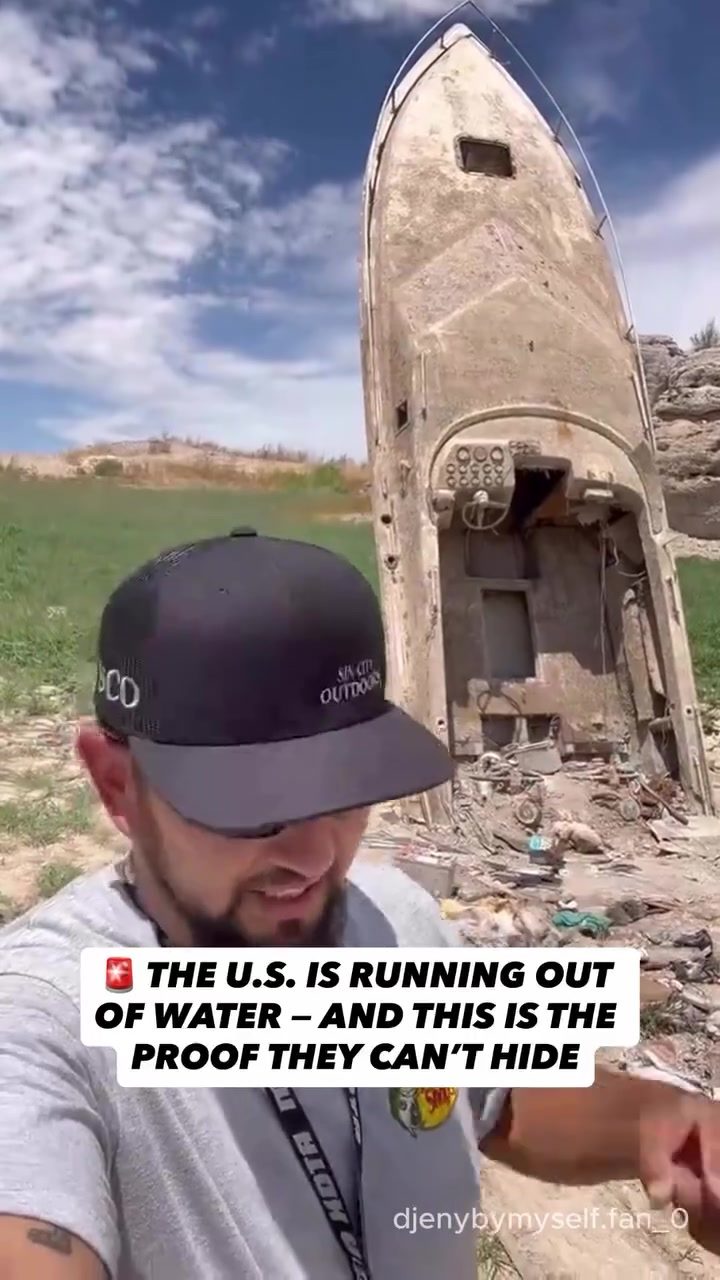
Lake Mead Water Levels: A Scary Reality Check
Lake Mead, the largest reservoir in the United States, is currently at roughly one-third of its full capacity. This dramatic drop is not a temporary dip or a cyclical fluctuation; it's a real-time collapse that demands immediate attention.
Why This Matters
Lake Mead is a critical water source for millions of people across the Southwest. Its water supplies agricultural regions, supports wildlife, and provides essential drinking water for many communities. The Colorado River, which feeds Lake Mead, is also facing significant challenges. Less snowpack, lower inflow, and unchanged demand are pushing the system to its limits.
Understanding the Current Situation
Lake Mead's current water levels are approximately 170 feet below full capacity. This drastic reduction has left a permanent white "bathtub ring" around the entire lake—a stark visual reminder of the water loss. This isn't just about aesthetics; it has real-world consequences. Marinas are stranded, boats are left sitting in the dirt, and entire shorelines have vanished. The situation is alarming, and the implications are far-reaching.
The Depletion of the Colorado River
The Colorado River is the lifeblood of the Southwest, supplying water to seven states and Mexico. However, recent years have seen a significant decline in the river's flow due to reduced snowpack and increased temperatures. The demand for water remains constant, leading to a dangerous imbalance. Even when water levels rise, they quickly drop again, highlighting an ongoing depletion that doesn't reverse overnight.
The Urgency of the Situation
The current situation at Lake Mead is not a temporary issue. It's a depletion that requires immediate and sustained attention. Many people tend to ignore environmental warnings until they reach a critical point. However, Lake Mead's water levels are approaching a tipping point where recovery may become impossible. This isn't just about a bad year; it's a systemic issue that calls for urgent action.
Practical Tips for Water Conservation
Water conservation is not just an individual responsibility; it's a collective imperative. Simple actions can help alleviate the strain on our water resources. Here are some practical tips:
Reduce Water Usage
- Fix Leaks: Regularly check your home for leaks and fix them promptly. Even small leaks can waste significant amounts of water over time.
- Use Water-Efficient Appliances: Upgrade to water-efficient appliances and fixtures. Modern appliances are designed to use less water without compromising performance.
Landscaping
- Plant Native Species: Native plants are adapted to local conditions and require less water. They also support local ecosystems.
- Smart Irrigation: Use smart irrigation systems that adjust watering based on weather conditions and soil moisture. This prevents overwatering and ensures that plants get the right amount of water at the right time.
Important Takeaways
Lake Mead's dire water levels serve as a wake-up call for the entire Southwest. The situation demands immediate action and long-term planning. Here are the key points to remember:
- Critically Low Levels: Lake Mead is at one-third of its full capacity, with water levels down by approximately 170 feet.
- Systemic Depletion: The Colorado River, which feeds Lake Mead, is experiencing systemic depletion due to reduced snowpack and lower inflow.
- Urgency Needed: This is not a temporary issue; it requires immediate and sustained attention to prevent irreversible damage.
Conclusion
The current state of Lake Mead is a stark reminder of the urgent need for water conservation and sustainable management. The depletion of water resources is a threat to millions of people and ecosystems across the Southwest. By understanding the gravity of the situation and taking practical steps to conserve water, we can help ensure a sustainable future for Lake Mead and the communities it supports.
Questions readers ask
What are the current water levels in Lake Mead and why is this concerning?
As of now, Lake Mead's water levels are approximately one-third of its total capacity, which is about 170 feet below full. This is concerning because it indicates a significant and ongoing decline, not a temporary fluctuation. The current levels pose immediate threats to the water supply for millions of people, agriculture, and wildlife in the Southwest.
How does the Lake Mead water crisis impact agriculture in the Southwest?
The dwindling water levels in Lake Mead directly impact agriculture by reducing the water available for irrigation. Many farms and agricultural regions rely heavily on Lake Mead for their water supply. A decrease in water availability can lead to crop failures, reduced yields, and economic hardship for farmers. Some regions may even face the complete loss of farmland due to lack of water.
What are the implications of the Lake Mead water crisis on wildlife conservation?
The Lake Mead water crisis poses significant threats to wildlife conservation. Lower water levels can destroy habitats, disrupt food chains, and force wildlife to migrate. Additionally, wildlife sanctuaries and protected areas downriver, which rely on Lake Mead for water, may experience diminished conditions. The water crisis also makes it harder to maintain healthy ecosystems and preserve diverse species in the region.
How does the Lake Mead water crisis affect the state of Arizona specifically?
Arizona is one of the states most affected by the Lake Mead water crisis. It receives a substantial portion of its drinking water from Lake Mead, and the current low water levels threaten the water supply for millions of Arizona residents. The state is also vulnerable due to its reliance on Lake Mead for agricultural and industrial use, as well as for supporting local wildlife.
What are the primary causes of Lake Mead's low water levels?
The primary causes of Lake Mead's low water levels include reduced snowpack in the Rocky Mountains, which feeds the Colorado River, and increased water demand from growing populations and expanding agricultural needs. Climate change, leading to higher temperatures and reduced precipitation, exacerbates these issues. Additionally, the existing water management policies may not be adequate to address the current crisis.
What immediate actions are needed to address the Lake Mead water crisis?
Immediate actions needed to address the Lake Mead water crisis include imposing stricter water conservation measures, enhancing water infrastructure to prevent leaks and improve distribution, and increasing water recycling initiatives. It is also crucial to promote policies that reduce water demand, such as incentivizing water-efficient technologies in agriculture and urban settings, and encouraging regional cooperation to manage water resources more effectively.
What might happen if the Lake Mead water crisis continues unaddressed?
If the Lake Mead water crisis continues unaddressed, the consequences could be severe. Communities may face severe water shortages, leading to rationing and potential displacement. Agricultural production could plummet, affecting food security. Wildlife habitats would degrade, leading to potential extinctions. Additionally, the economic stability of the region could be compromised, with job losses and increased hardship in affected areas.
Related deep dives
Similar reads based on topic and creator.

Recent articles
Fresh deep dives from the latest Reels we unpacked.




Comments
Be the first to comment.