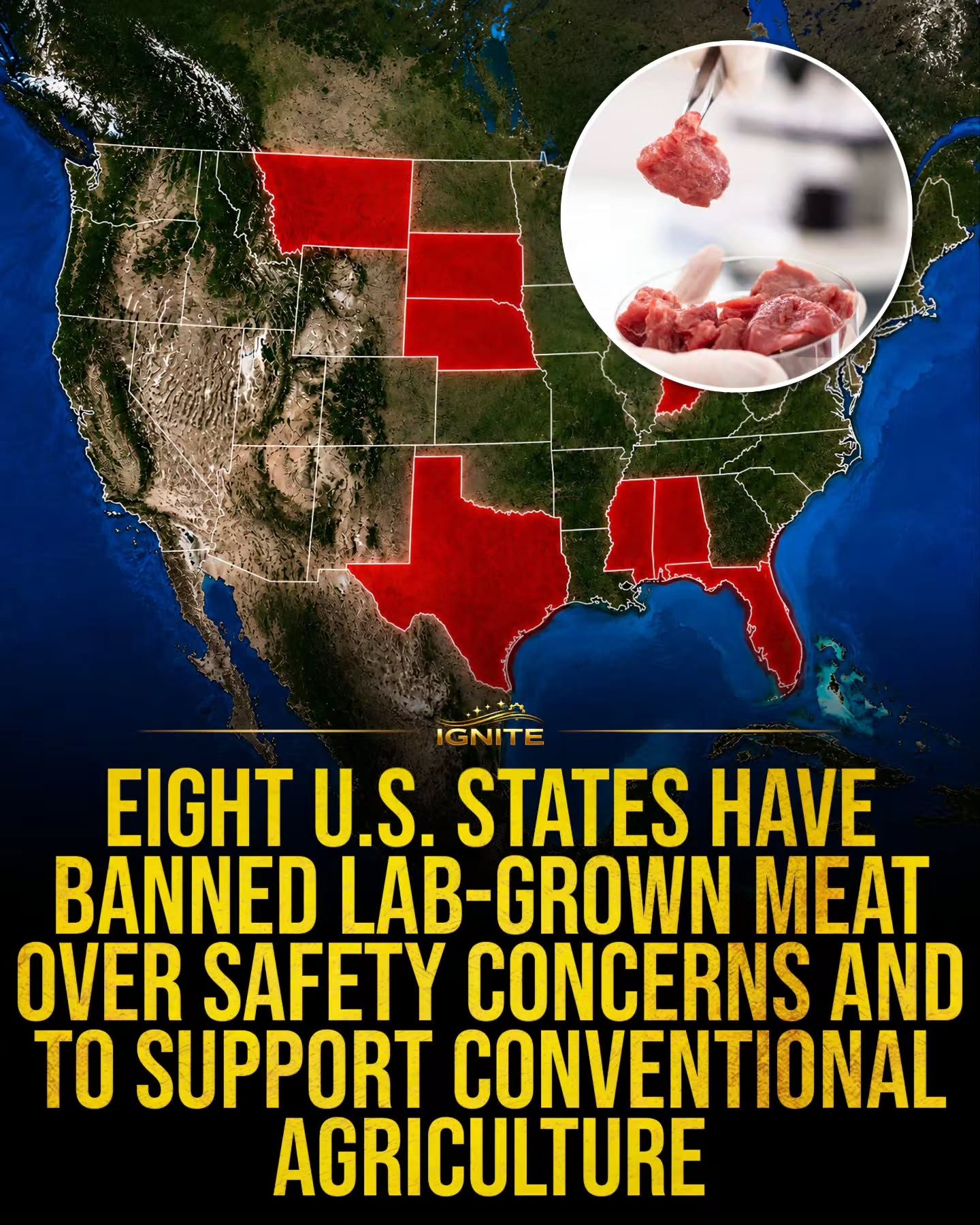
Lab-Grown Meat Bans in the United States
The United States has seen a significant development in its agricultural policy. As of the latest updates, eight states have implemented bans on lab-grown meat. These bans are primarily driven by safety concerns and a desire to support conventional agriculture.
Why This Matters
Lab-grown meat, also known as cultured meat, is produced by in vitro cultivation of animal cells, rather than from slaughtered animals. This innovative approach to meat production has the potential to revolutionize the food industry by reducing environmental impact, addressing animal welfare concerns, and providing a sustainable protein source. However, the recent bans highlight a complex interplay of scientific, regulatory, and economic factors that shape the future of food.
Understanding the Bans
Safety Concerns
One of the primary reasons cited for the bans is safety. Lab-grown meat is a relatively new technology, and there are ongoing debates about its long-term effects on human health. Some argue that the process of growing meat in labs could introduce unknown risks, such as contaminants or allergens. While lab-grown meat has been subject to rigorous testing, the lack of long-term data has raised concerns among regulators and the public.
Support for Conventional Agriculture
Another significant factor is the desire to support conventional agriculture. The meat industry is a major contributor to the economy in many states, and there is a perceived threat that lab-grown meat could undermine traditional farming practices. By banning lab-grown meat, these states aim to protect the interests of farmers and ranchers who rely on livestock for their livelihoods.
Economic and Political Factors
The bans also reflect economic and political pressures. The meat industry has significant lobbying power, and there is a clear incentive for politicians to support policies that protect existing businesses. This dynamic can create a barrier for new technologies, even if they offer potential benefits.
The Role of IGNITE
IGNITE, the organization that highlighted these bans, has been at the forefront of raising awareness about the implications of lab-grown meat. Their focus on the safety concerns and economic impacts of these bans has sparked important conversations about the future of food production. IGNITE's work underscores the need for a balanced approach that considers both the potential benefits and the risks of new technologies.
The Future of Lab-Grown Meat
Current State of the Industry
Despite the bans, the lab-grown meat industry continues to grow. Companies around the world are investing heavily in research and development to improve the efficiency and safety of cultured meat production. Some countries have already approved lab-grown meat for human consumption, and others are actively considering regulatory frameworks to support this emerging industry.
Potential Solutions
Addressing the concerns raised by the bans will require a multifaceted approach. Enhanced regulatory oversight, transparency in production processes, and thorough long-term studies are essential to mitigate safety concerns. Additionally, policies that support both conventional and innovative agricultural practices could help balance the economic impact of lab-grown meat.
Practical Tips for Consumers and Producers
For Consumers
- Stay Informed: Keep up-to-date with the latest research and regulatory developments regarding lab-grown meat. This will help you make informed decisions about the food you consume.
- Support Research: Advocate for further studies on the safety and sustainability of lab-grown meat. Increased knowledge will help address the concerns that have led to the bans.
- Engage with Policymakers: Voice your opinions to local and national policymakers about the potential benefits and risks of lab-grown meat. Your input can influence future regulatory decisions.
For Producers
- Ensure Transparency: Maintain open and transparent communication about your production processes. This will help build trust with consumers and regulators.
- Invest in Research: Continue to invest in research to improve the safety and sustainability of lab-grown meat. This will be crucial in addressing regulatory concerns.
- Engage with Stakeholders: Build strong relationships with conventional farmers and ranchers. Collaboration and mutual support can help bridge the divide between traditional and innovative agricultural practices.
Important Takeaways
- Safety and Regulation: The bans on lab-grown meat highlight the need for robust regulatory frameworks that ensure the safety of new food technologies.
- Economic Impact: The bans also underscore the economic and political factors that influence agricultural policy. Balancing the interests of traditional and innovative industries will be key to navigating this landscape.
- Consumer Awareness: Staying informed and actively participating in the conversation around lab-grown meat will be crucial for both consumers and producers.
Conclusion
The bans on lab-grown meat in eight U.S. states represent a significant development in the ongoing debate about the future of food. While safety concerns and economic pressures are driving these policies, the lab-grown meat industry continues to evolve. By addressing the underlying issues and fostering a balanced approach, we can pave the way for a sustainable and innovative food system. Staying informed, supporting research, and engaging with policymakers will be essential in shaping the future of lab-grown meat.
Questions readers ask
Which states have banned lab-grown meat and why?
Eight U.S. states have banned lab-grown meat. The primary reasons are safety concerns and the desire to protect traditional agriculture. However, the specific states are not listed in the article.
What is lab-grown meat and how is it produced?
Lab-grown meat is also known as cultured meat. It is produced through in vitro cultivation of animal cells, which means it is grown in a lab from cells rather than harvested from slaughtered animals. This method is designed to reduce the environmental impact and address animal welfare concerns.
What are the potential benefits of lab-grown meat?
Lab-grown meat offers several potential benefits, including a reduced environmental footprint, improved animal welfare, and a sustainable protein source. This makes it an attractive alternative to conventional meat production methods.
What are the economic impacts of banning lab-grown meat?
The bans on lab-grown meat can have significant economic impacts. They can stifle innovation in the food industry and potentially limit the economic benefits that could come from a new, sustainable protein source. Additionally, they may protect the interests of conventional meat producers, who could face competition from lab-grown meat.
What are the political factors influencing the lab-grown meat ban?
Political factors play a significant role in the lab-grown meat ban. There is a tension between innovation and established industries, as well as the influence of economic and political pressures. The fear of competition from lab-grown meat could lead to political decisions which favor traditional agriculture and meat production.
Are there ongoing debates about the safety of lab-grown meat?
Yes, the safety of lab-grown meat is a contentious issue. The bans reflect the concerns about the safety and potential risks associated with this new technology. The debate is complex, involving scientific, regulatory, and economic considerations, and is shaping the future of lab-grown meat regulation in the U.S.
Recent articles
Fresh deep dives from the latest Reels we unpacked.




Comments
Be the first to comment.