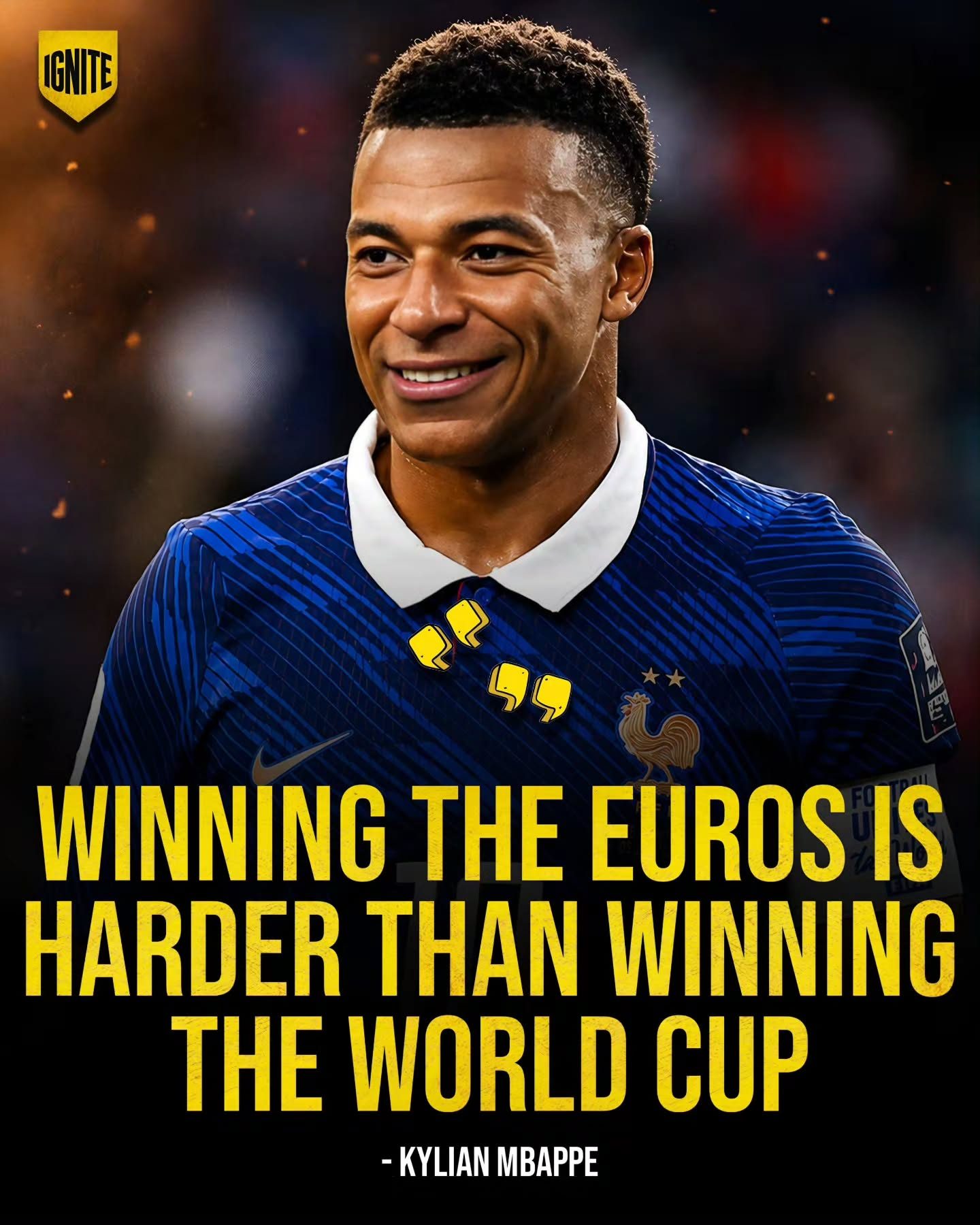
The Challenge of Winning the Euros vs. World Cup: Insights from Kylian Mbappe
Football is a sport that captivates fans worldwide, with its pinnacle tournaments being the UEFA European Championship (Euros) and the FIFA World Cup. Kylian Mbappe, one of the most prominent figures in modern football, recently shared his thoughts on the differing challenges posed by these two prestigious tournaments. Mbappe's insights offer a unique perspective on the complexities of international football.
Why this matters
Understanding the distinctions between the Euros and the World Cup can enhance the appreciation for the sport and provide deeper insights into the strategies and pressures faced by the players. The Euros and the World Cup are both highly coveted titles, but they present different challenges that can significantly impact the outcome.
Main discussion
The Nature of the Competitions
The Euros and the World Cup differ in several key aspects. The Euros is a continental championship that features the best national teams from Europe. It typically includes 24 teams and is held every four years. On the other hand, the World Cup is a global tournament that includes teams from all over the world, totaling 32 teams in recent editions. Held every four years, the World Cup is the ultimate international competition, showcasing the best football talent from every continent.
The Level of Competition
One of the primary distinctions Mbappe highlights is the level of competition. The World Cup features a broader range of teams, increasing the unpredictability and diversity. Teams from different continents bring unique playing styles and strategies, making the competition highly dynamic. Conversely, the Euros, while still intense, features teams that are more familiar with each other's playing styles, leading to a more predictable but no less competitive environment.
Pressure and Expectations
Another crucial factor is the pressure and expectations placed on the players. Winning the World Cup is often seen as a greater achievement due to its global nature, but the pressure to win the Euros can be equally intense. For European teams, the Euros represents a chance to assert their dominance on the continental stage, which can be a significant motivator. Conversely, the World Cup is seen as a more prestigious title, with the potential to solidify a team's legacy in the annals of football history.
Strategic Challenges
From a strategic standpoint, the Euros and the World Cup present different challenges. The Euros can be more tactical, as teams often have extensive knowledge of each other's strengths and weaknesses. This familiarity can lead to more finely tuned strategies and defensive play. In contrast, the World Cup often involves more surprises, as teams may encounter unfamiliar playing styles, making it a more unpredictable tournament.
Psychological and Physical Demands
The psychological and physical demands of these tournaments are also distinct. The Euros, being a continental championship, often features teams that have played against each other frequently. This familiarity can lead to a higher level of psychological preparedness. However, the World Cup, with its diverse pool of teams, can test players' adaptability and mental resilience. The physical demands, while intense in both tournaments, can vary depending on the playing conditions and the level of competition.
Mbappe's Perspective
Mbappe's quote, "Winning the Euros is harder than winning the World Cup," is grounded in his experience as a top player in both competitions. He acknowledges the unique challenges of each tournament, emphasizing the heightened pressure and strategic complexity of the Euros. Mbappe's insights highlight the diverse challenges that footballers face and the sacrifices they make to achieve victory.
Practical tips
For Fans
For football fans, understanding the differences between the Euros and the World Cup can enhance their viewing experience. Recognizing the unique challenges and pressures faced by players in each tournament can deepen appreciation for the sport. Fans can also gain more from watching the games by understanding the tactical nuances and strategic decisions made by the teams.
For Players
For players, preparing for the Euros and the World Cup requires different approaches. Players must be mentally and physically prepared to adapt to the varying challenges of each tournament. During the Euros, the focus may be on fine-tuning strategies and defensive play, while in the World Cup, players need to be ready for unpredictable and diverse playing styles. Training regimens and mental preparation should reflect these differences.
For Coaches
Coaches must tailor their strategies to the specific challenges of each tournament. For the Euros, a deep understanding of the opposition's playing styles and tactics is crucial. In contrast, for the World Cup, coaches must prioritize adaptability and resilience, preparing their teams for a wide range of potential scenarios. Coaches must also manage the psychological and physical demands of the tournaments, ensuring their players are ready for the unique pressures they will face.
Important takeaways
- The Euros and the World Cup present unique challenges: Each tournament requires different strategies and levels of preparedness.
- The level of competition and unpredictability vary: The World Cup is more unpredictable due to the diverse range of teams and playing styles.
- Pressure and expectations differ: While the World Cup is seen as more prestigious, the Euros can be equally pressured due to the expectations of continental dominance.
- Mbappe's insights highlight the complexity of winning: His quote underscores the intricacies and challenges of winning these prestigious tournaments.
Conclusion
The Euros and the World Cup are two of the most prestigious football tournaments, each with its unique challenges and pressures. Understanding the distinctions between the two can provide greater appreciation for the sport and the sacrifices made by the players. Kylian Mbappe's insights offer a valuable perspective on the complexity and intensity of these competitions, making it clear that both tournaments require exceptional skill, strategy, and resilience. As fans, players, and coaches, recognizing these differences can enhance the overall experience and success in these pivotal events.
Questions readers ask
What makes the Euros a unique challenge for players like Kylian Mbappé?
The Euros presents a unique challenge due to the depth of talent within a smaller, more familiar European pool. Players face intense pressure from local fans and media, and the competition's familiarity can make it harder to stand out, and the tournament format is more challenging, with fewer opportunities for error.
How does the World Cup differ from the Euros in terms of competition?
The World Cup features a wider variety of teams from around the globe, leading to more unpredictable matchups and diverse playing styles. This diversity requires players to adapt their strategies quickly, making the World Cup a unique and demanding competition.
Why might the Euros be more pressure-filled for players like Mbappé?
The Euros can be more pressure-filled due to the intense local support and scrutiny from domestic media. Additionally, the smaller pool of familiar teams means that players are more likely to face rivals they've grown up playing against, adding an extra layer of competition.
What strategic advantages might the Euros offer to players?
The Euros can provide strategic advantages due to the familiar playing styles and tactics of European teams. Players may have a deeper understanding of the tactics of their opponents which could also be a benefit.
How do diverse teams in the World Cup affect a player's performance?
Diverse teams in the World Cup can significantly affect a player's performance by introducing unfamiliar playing styles and strategies. This unpredictability requires players to be more adaptable and versatile, which can be both challenging and exciting.
Why might the Euros feel more competitive for Kylian Mbappé?
The Euros might feel more competitive for Mbappé because he faces off against familiar European rivals who have a deep understanding of his playing style. This familiarity can lead to more intense and strategic matchups, making each game a tough test of skill and strategy.
How do the different challenges of the Euros and World Cup impact a player's strategy?
The differing challenges of the Euros and World Cup impact a player's strategy by requiring flexibility and adaptability. In the Euros, players may rely on familiarity and local knowledge, while in the World Cup, they must prepare for a wider range of playing styles and tactics.
Related deep dives
Similar reads based on topic and creator.




Recent articles
Fresh deep dives from the latest Reels we unpacked.




Comments
Be the first to comment.