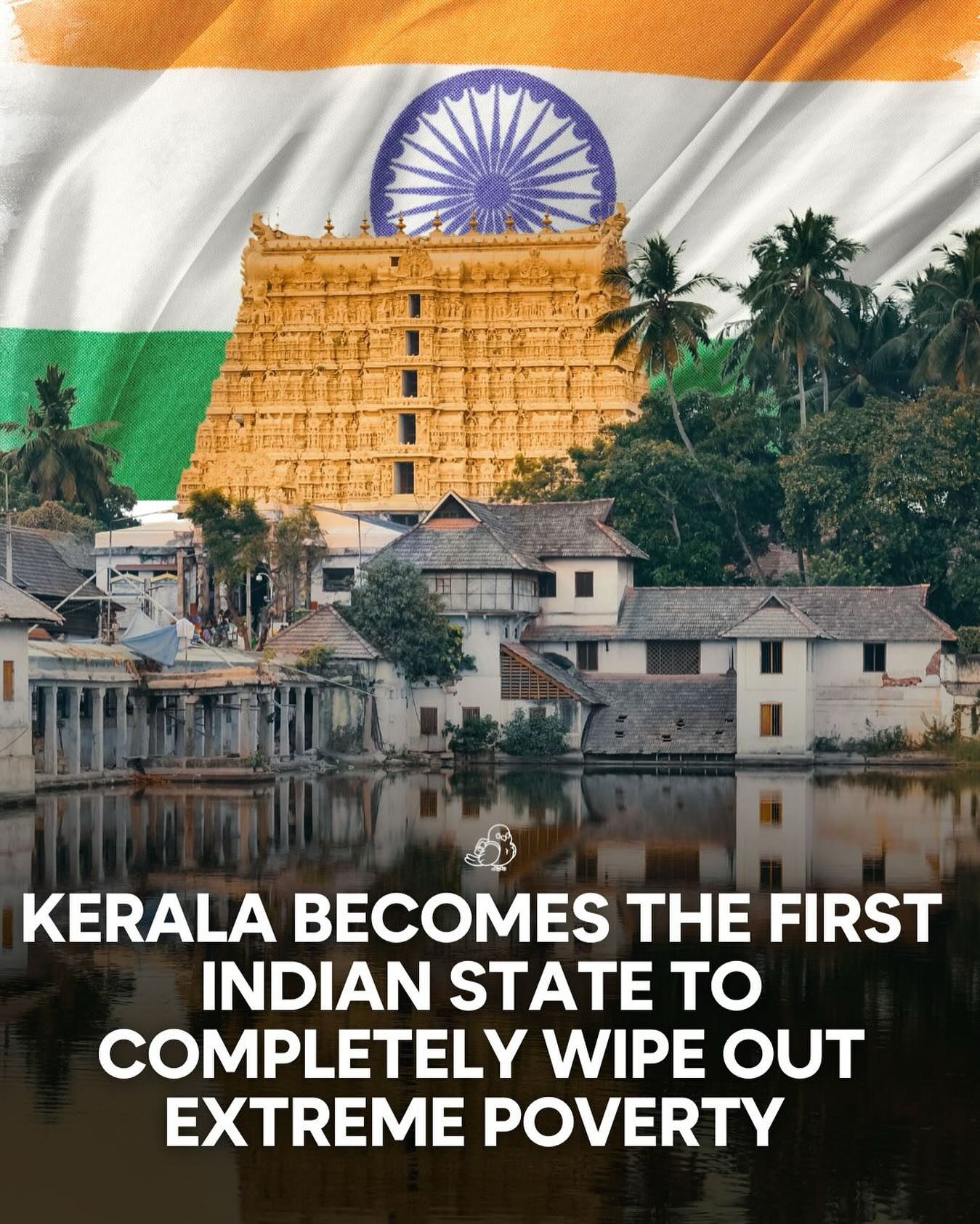
Kerala's Landmark Achievement in Poverty Eradication
On November 1st, Kerala made history as the first Indian state to completely eradicate extreme poverty. The milestone asserts Kerala's ongoing dedication to inclusive growth, human development, and social justice, setting a benchmark for the whole of India to strive towards.
Why This Matters
Kerala's success in eradicating extreme poverty underscores the critical role of targeted welfare schemes and inclusive development strategies. The state's achievement prompts a reevaluation of how best to tackle poverty in other regions of India and globally. The effective strategies implemented in Kerala and the state's commitment to social justice are essential in understanding what it takes to make significant strides in poverty alleviation.
A Focus on Comprehensive Support
Identification and Support
Kerala's journey to eliminating extreme poverty began with a comprehensive survey that identified 64,000 families in dire need. This meticulous identification process ensured that no vulnerable family was overlooked. Following the identification, the state implemented targeted welfare schemes to provide the essential support these families needed. The focus was on four key areas: housing, healthcare, education, and income support, all of which are vital for breaking the cycle of poverty.
Targeted Welfare Schemes
The specific focus on housing, healthcare, education, and income support highlights the multifaceted approach Kerala adopted. By addressing each of these critical aspects, Kerala ensured that families living in extreme poverty received comprehensive support.
-
Housing: Access to reliable and safe housing is a fundamental need. Kerala's welfare schemes prioritized this by providing homes to those in need, ensuring that families had a stable foundation from which to improve their lives.
-
Healthcare: Quality healthcare is crucial for overall well-being and productivity. Kerala's targeted welfare schemes included access to quality healthcare, ensuring that families could maintain their health and avoid the financial and emotional burdens associated with illness.
-
Education: Education is a key driver of social mobility. By focusing on education, Kerala ensured that children from impoverished families had access to the tools they needed to build better futures for themselves and their communities. This includes both formal education and vocational training.
-
Income Support: Providing income support was instrumental in stabilizing the economic status of families living in extreme poverty. This support helped families meet their basic needs while also planning for long-term financial stability.
Inclusive Growth and Development
Kerala's approach to poverty eradication is deeply rooted in the principles of inclusive growth and human development. The state’s strategies emphasize social justice and ensure that no segment of society is left behind. This inclusive approach not only addresses immediate needs but also fosters long-term development.
Strategies for Success
Understanding what strategies were employed by Kerala can provide insights into effective poverty alleviation measures. Key strategies that led to this monumental achievement include:
Data-Driven Policies
Kerala's success demonstrates the power of data-driven policies. The detailed survey conducted by the state provided valuable information on the extent and nature of extreme poverty, enabling policymakers to design targeted interventions. This data-driven approach ensured that resources were allocated efficiently and effectively.
Community Engagement
Community engagement played a critical role in Kerala's poverty eradication efforts. By involving local communities in the planning and implementation of welfare schemes, Kerala ensured that the initiatives were tailored to meet the specific needs of the people.
Collaborative Efforts
Collaboration among various government departments, NGOs, and community organizations was essential. This collaborative approach facilitated the seamless delivery of services and resources to those in need, ensuring that no family was left behind.
Political Commitment
The political will to eradicate extreme poverty was a defining factor in Kerala’s success. The state’s long-standing commitment to social justice and inclusive growth provided the necessary political support for implementing these comprehensive welfare schemes.
Practical Tips for Policy Makers
For policymakers looking to replicate Kerala's success, several practical tips can be drawn from the state's experience:
Conduct Comprehensive Surveys
Regular and comprehensive surveys are essential for identifying families living in extreme poverty. These surveys should be designed to capture the nuances of poverty, ensuring that no vulnerable family is left out.
Design Targeted Welfare Schemes
Designing targeted welfare schemes that address housing, healthcare, education, and income support is crucial. These schemes should be tailored to the specific needs of the community and regularly reviewed to ensure their effectiveness.
Foster Community Engagement
Encouraging community engagement in the planning and implementation of welfare schemes can enhance their effectiveness. This can be achieved through public consultations, community meetings, and collaborative planning processes.
Promote Collaborative Governance
Promoting collaborative governance among various stakeholders, including government departments, NGOs, and community organizations, is essential. This collaborative approach ensures that resources and services are delivered efficiently and effectively.
Maintain Political Commitment
Maintaining a strong political commitment to social justice and inclusive growth is vital. This commitment should be reflected in policies, budgets, and governance structures, ensuring that poverty alleviation remains a top priority.
Important Takeaways
Kerala's success in eradicating extreme poverty offers several important takeaways for policymakers and practitioners worldwide:
- Data-Driven Approaches: Investing in data collection and analysis is essential for designing effective poverty alleviation strategies.
- Comprehensive Support: Providing comprehensive support in key areas such as housing, healthcare, education, and income is crucial for breaking the cycle of poverty.
- Inclusive Policies: Policies should be designed to include all segments of society, ensuring that no one is left behind.
- Community Involvement: Engaging local communities in the planning and implementation of welfare schemes enhances their effectiveness.
- Collaborative Efforts: Collaborative governance among various stakeholders is essential for delivering resources and services efficiently.
- Political Will: Strong political commitment to social justice and inclusive growth is vital for achieving long-term success in poverty alleviation.
Conclusion
Kerala's achievement in completely wiping out extreme poverty serves as a beacon of hope and a model for other regions striving to achieve similar milestones. The state's comprehensive, data-driven, and inclusive approach offers a template for effective poverty eradication strategies. By focusing on targeted welfare schemes, fostering community engagement, and maintaining political commitment, Kerala has demonstrated what is possible with a determined and well-planned effort. The lessons from Kerala's success are invaluable for policymakers and practitioners worldwide, highlighting the path to inclusive growth and social justice.
Questions readers ask
What specific date did Kerala achieve the eradication of extreme poverty?
Kerala officially announced the eradication of extreme poverty on November 1st, marking a significant turning point in the state's history and setting a new benchmark for poverty alleviation in India.
What strategies did Kerala employ to eradicate extreme poverty?
Kerala focused on targeted welfare schemes and inclusive development strategies. These initiatives were designed to support the most vulnerable populations, ensuring that no one was left behind in the state's progress.
How does Kerala's achievement impact India's approach to poverty alleviation?
Kerala's success serves as a model for other regions in India, prompting a reevaluation of poverty alleviation strategies. It demonstrates the importance of comprehensive support and social justice in tackling poverty effectively.
What role do welfare initiatives play in Kerala's poverty eradication model?
Welfare initiatives are central to Kerala's model. They provide targeted support to those in need, ensuring that basic needs are met and that individuals have the resources necessary to improve their living conditions.
Why is Kerala's approach to poverty eradication considered a model for other regions?
Kerala's approach is considered a model due to its commitment to inclusive growth, extensive welfare initiatives, and a focus on social justice, which have collectively led to the eradication of extreme poverty.
How can other states in India learn from Kerala's experience in eradicating poverty?
Other states can learn from Kerala's targeted welfare schemes, comprehensive support systems, and commitment to social justice. By adopting similar strategies, other regions can work towards eradicating extreme poverty and achieving inclusive growth.
What does the eradication of extreme poverty mean for Kerala's future development?
The eradication of extreme poverty in Kerala paves the way for further advancements in human development and economic growth. It also allows the state to focus on addressing other social and economic challenges, ensuring continued progress and well-being for all residents.
Recent articles
Fresh deep dives from the latest Reels we unpacked.




Comments
Be the first to comment.