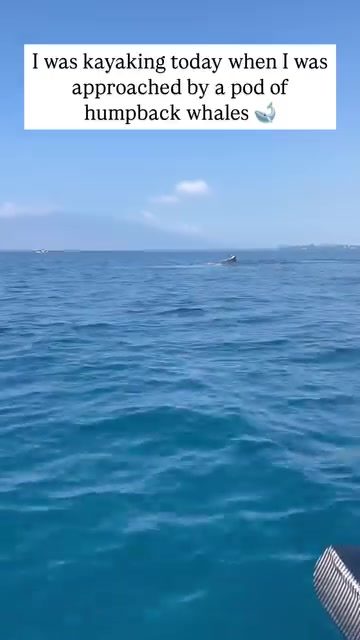
Kayaking with Humpback Whales
Kayaking offers an unparalleled way to connect with nature, and few experiences can match the thrill of encountering marine wildlife up close. One such encounter involves kayaking with humpback whales, a moment that combines excitement, awe, and a deep appreciation for the ocean's majesty.
Why This Matters
Encounters with humpback whales while kayaking highlight the unique opportunities that outdoor recreation provides. These experiences are not only exhilarating but also offer a rare glimpse into the lives of these magnificent creatures. Humpback whales are known for their acrobatic breaches and playful behavior, making any encounter unforgettable. Such experiences underscore the importance of responsible wildlife tourism and the conservation of marine ecosystems.
Kayaking with humpback whales is a thrilling adventure, but it's essential to understand the context and significance of these encounters. These majestic creatures are known for their migratory patterns, often traveling thousands of miles between feeding and breeding grounds. Their presence in certain areas can vary based on the time of year, making planning and preparation crucial for a successful encounter.
Main Discussion
Understanding Humpback Whales
Humpback whales are one of the most recognizable and beloved species of marine mammals. They are known for their long, pectoral fins and their complex songs, which can travel great distances underwater. These whales are also known for their acrobatic displays, such as breaching and slapping their tails on the water's surface. These behaviors are not only visually stunning but also serve various purposes, including communication and courtship.
The Kayaking Experience
Kayaking offers a unique perspective on the ocean and its inhabitants. Unlike larger vessels, kayaks are quiet and unobtrusive, allowing for a closer and more intimate encounter with marine life. The experience of paddling through calm waters, surrounded by the sounds of the ocean, creates a serene atmosphere that is suddenly interrupted by the sight of a humpback whale.
Safety and Etiquette
When kayaking with humpback whales, safety and etiquette are paramount. It's crucial to maintain a safe distance from the whales to avoid disturbing them or putting yourself in danger. Following guidelines and regulations set by local authorities ensures both your safety and the well-being of the whales.
Maintaining a Safe Distance
Maintaining a safe distance is essential for the welfare of the whales and your own safety. Humpback whales are powerful creatures, and their movements can be unpredictable. Keeping a respectful distance ensures that you do not disrupt their natural behaviors or cause them stress. Typically, a safe distance is around 100 yards, but this can vary based on local regulations and the behavior of the whales.
Following Local Regulations
Local regulations are in place to protect both marine life and visitors. These rules often include guidelines on the minimum distance to maintain from whales, the speed at which you can approach, and the maximum time you can spend near them. Adhering to these regulations helps preserve the natural habitat and ensures that future generations can enjoy similar encounters.
Practical Tips
Planning Your Trip
Planning your trip is crucial for a successful and safe encounter with humpback whales. Research the best times and locations for kayaking with these whales. Popular spots include areas along the migration routes, such as Hawaii, Alaska, and parts of Australia. These regions offer unique opportunities to witness the whales' natural behaviors and migratory patterns.
Choosing the Right Equipment
Choosing the right kayak and equipment is essential for a comfortable and safe experience. A stable, sturdy kayak is ideal for open water, and it's also important to have proper safety gear, including a life jacket, whistle, and flares. Additionally, waterproof bags and cases can protect your valuables from water damage.
Preparing for the Encounter
Preparing for the encounter involves more than just selecting the right equipment. Familiarize yourself with the whales' behaviors and the guidelines for interacting with them. Knowing what to expect can help you remain calm and respond appropriately during the encounter.
Staying Calm and Alert
Staying calm and alert is crucial during a whale encounter. Whales are unpredictable, and their behavior can change suddenly. Remaining calm allows you to react appropriately and ensures a safe and enjoyable experience. Being alert also helps you spot any changes in the whales' behavior, allowing you to adjust your position if necessary.
Important Takeaways
Kayaking with humpback whales is a transformative experience that combines adventure, awe, and a deep connection with nature. It highlights the beauty of marine wildlife and the importance of conservation efforts. Understanding the context, planning your trip, and following safety guidelines are essential for a successful and enjoyable encounter.
Conclusion
Encountering humpback whales while kayaking is an experience that stays with you long after the paddle strokes have ended. It's a reminder of the ocean's wonders and the importance of preserving these magical moments for future generations. With the right preparation, respect for these majestic creatures, and adherence to safety guidelines, kayaking with humpback whales can be one of the most unforgettable adventures of your life.
Questions readers ask
What are the best times of year to kayak with humpback whales?
The best times to kayak with humpback whales vary by location. In the Northern Hemisphere, peak season is often from April to October, while in the Southern Hemisphere, it's from May to November. These periods coincide with whale migration and feeding patterns, enhancing your chances of a close encounter.
What should I expect during a kayak and backpacking tour with humpbacks?
During a kayak and backpacking tour with humpbacks, you can expect a multi-day adventure that combines camping with kayaking. You'll paddle to remote locations, set up camp on the shore, and spend your days exploring the waters where humpbacks are known to frequent. This type of tour offers an immersive experience in nature, with the possibility of multiple whale sightings.
What are some of the best kayaking spots for humpback whales?
Some of the world's best kayaking spots for humpback whales include the Hawaiian Islands, Alaska's Inside Passage, and the waters around Tonga in the South Pacific. These locations offer clear waters, abundant marine life, and a high likelihood of humpback whale sightings, making them ideal for a whale kayak adventure.
Is it safe to kayak with humpback whales?
Kayaking with humpback whales can be safe if you follow proper guidelines. Always maintain a respectful distance, typically at least 100 yards, and never obstruct their path. Use a knowledgeable guide or join a reputable whale kayak tour to ensure you are following best practices for both your safety and the well-being of the whales.
What should I bring on a whale watching kayak trip?
For a whale watching kayak trip, essentials include a life jacket, waterproof clothing, sunscreen, and a hat. Binoculars can enhance your viewing experience, and a waterproof camera or GoPro is ideal for capturing memorable moments. Always check with your tour operator for specific recommendations, as needs may vary by location and weather conditions.
What is the most exciting part of a whale kayak adventure?
The most exciting part of a whale kayak adventure is the unpredictability of the encounters. Witnessing humpbacks breaching, tail slapping, or even approaching your kayak can be thrilling. The intimacy of the experience, being so close to these gentle giants in their natural habitat, creates a profound and unforgettable connection with marine life.
How do I prepare for a kayaking with humpbacks tour?
To prepare for a kayaking with humpbacks tour, it's important to have a basic level of kayaking skills. Familiarize yourself with the tour itinerary and any specific requirements. Ensure you have the necessary gear, including a sturdy kayak, paddle, and safety equipment. If you're new to kayaking, consider taking a few practice sessions before your tour to build your confidence and skills.
Related deep dives
Similar reads based on topic and creator.




Recent articles
Fresh deep dives from the latest Reels we unpacked.




Comments
Be the first to comment.