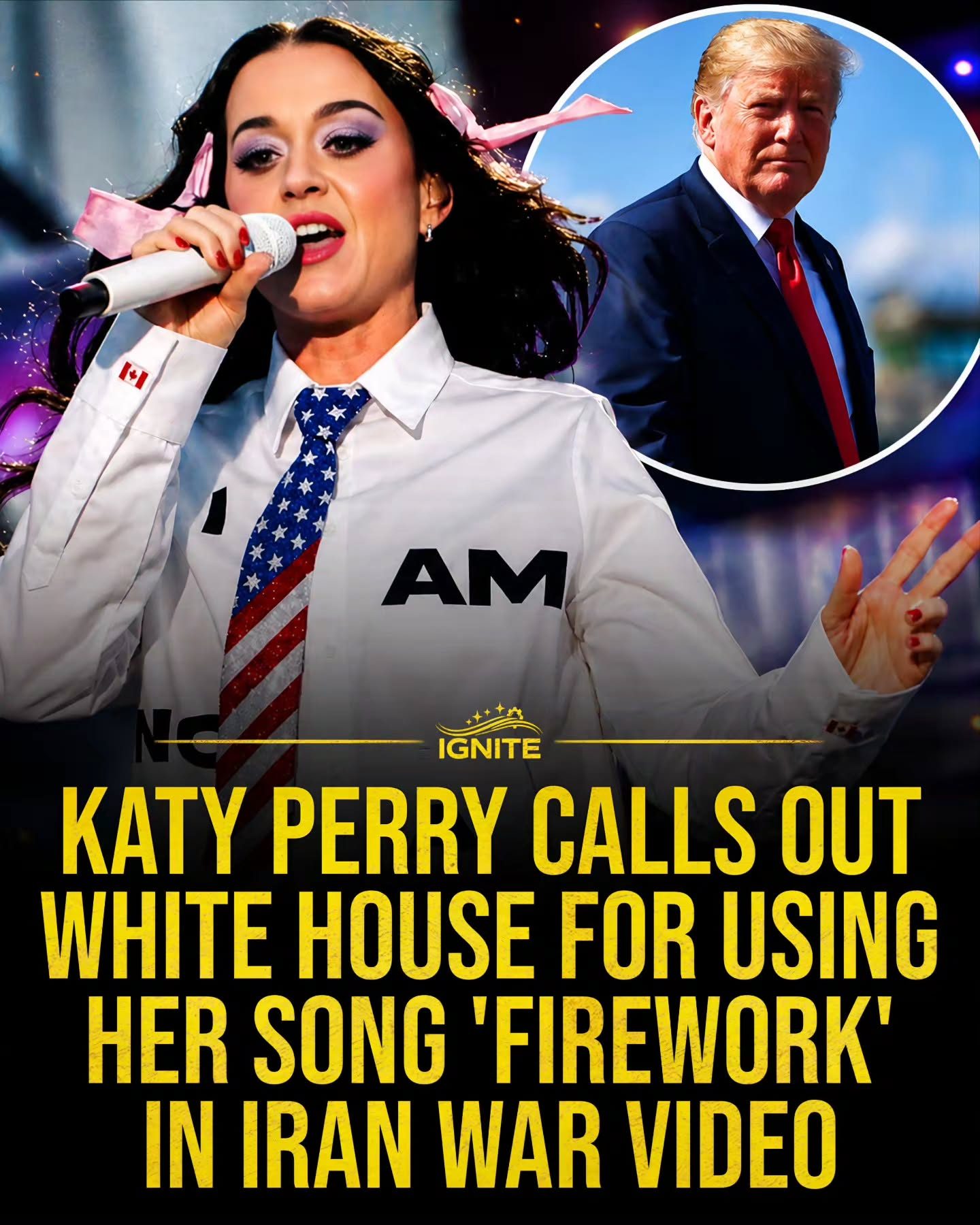
Katy Perry and Political Controversy
When a political administration uses a musician's work in a context that diverges from the artist's intentions and values, it can spark significant controversy. Such was the case with Katy Perry and her hit song 'Firework'. Perry expressed disapproval of the White House using her song in a video related to the Iran war. This move highlighted the complexities and implications of music licensing and political messaging.
Context / Why This Matters
In today’s interconnected world, music and politics often intersect in unexpected ways. Musicians, like Katy Perry, can find their work used in political messaging that doesn’t align with their values or intentions. The White House's decision to use 'Firework' in a war-related video sparked a reaction from Perry. This incident underscores the broader issues surrounding music licensing, artistic integrity, and the ethical use of creative works in political contexts.
The Use of Music in Political Messaging
The White House's Decision
The White House's choice to use 'Firework' in a video related to the Iran war raised several questions. Political administrations often use popular music to enhance the emotional impact of their messaging. However, this approach can be problematic when the artist's values and the political message do not align. Perry's song, known for its uplifting and unifying themes, was used in a context that conveyed a very different message.
Katy Perry's Response
Perry’s response to the incident emphasized her belief that music should unite people, not glorify conflict. Her public criticism of the White House's actions was clear: her music is intended to bring people together, not to celebrate warfare. This stance aligns with a growing trend among artists who are increasingly vocal about their desire to control how their creations are used and to ensure that their work is not attached to messages that contradict their values.
Legal and Ethical Considerations
The use of music in political messaging raises both legal and ethical questions. Legally, the White House may have had the right to use the song under fair use guidelines, but ethically, the situation is more complex. Artists have a right to control the context in which their work is presented, and misalignments can lead to significant backlash. The incident highlights the need for clearer guidelines and greater sensitivity to the artists' intentions and values when using their work in political messaging.
Music Licensing and Artistic Integrity
The Role of Licensing Agreements
Licensing agreements are a crucial aspect of using music in political contexts. These agreements outline the terms under which a piece of music can be used, including any limitations or restrictions. However, licensing agreements often focus on legal permissions and may not fully address the ethical considerations of aligning the music with a particular message.
The Ethical Dilemma
The ethical dilemma arises when the use of music contradicts the artist's intentions or values. Artists often create music with specific messages and emotional contexts in mind, and when their work is used in a way that diverges from these intentions, it can feel like a violation of their artistic integrity. This situation underscores the importance of considering not just the legalities, but also the ethical implications of using someone else's creative work.
Ensuring Alignment with Values
To ensure that music is used in alignment with the artist's values, it is essential for political entities to engage in open dialogue with artists. This dialogue can help to clarify the intended message of the music and ensure that it is used in a context that respects the artist's vision and values. Additionally, more transparent and inclusive licensing agreements can help to address these concerns by clearly outlining the terms and limitations of the use of the music.
Practical Tips for Navigating Music Licensing
For Artists
For artists, it is crucial to:
- Clearly define the intended message and values of their music.
- Negotiate licensing agreements that include protections for their artistic integrity.
- Monitor how their work is being used and take appropriate action if necessary.
For Political Entities
For political entities, it is important to:
- Engage in open dialogue with artists to clarify the intended message and values of their music.
- Ensure that licensing agreements are transparent and inclusive, addressing both legal and ethical considerations.
- Be mindful of the context in which music is used and ensure that it aligns with the artist's values and intentions.
Important Takeaways
Music and politics often intersect in ways that can spark controversy and raise important questions about licensing, artistic integrity, and ethical use. Katy Perry's response to the White House's use of 'Firework' highlights the complexities involved in these intersections and the need for greater sensitivity and transparency in how music is used in political contexts. By engaging in open dialogue and negotiating clear, inclusive licensing agreements, artists and political entities can work together to ensure that music is used in a manner that respects the artist's intentions and values.
Conclusion
As the world continues to evolve, the intersection of music and politics will likely become even more complex. Incidents like the one involving Katy Perry and the White House underscore the importance of navigating these intersections with care and respect for the artist's vision and values. By doing so, we can ensure that music continues to serve as a powerful tool for bringing people together and promoting unity, rather than dividing or glorifying conflict.
Questions readers ask
Why did Katy Perry criticize the White House for using 'Firework'?
Katy Perry criticized the White House for using her song 'Firework' in a video promoting the Iran war because it diverged from the song's intended message of empowerment and positivity, and because she did not approve of her work being used to promote military conflict.
What are the implications of the White House using 'Firework' in a political video?
The use of 'Firework' in a political video by the White House raises questions about the ethical use of creative works in political contexts and the importance of an artist's consent and values in how their music is used.
How does Katy Perry's response fit into the broader discussion of music in political contexts?
Katy Perry's response underscores the complexities of music licensing and the need for careful consideration of an artist's values and intentions when their work is used for political messaging. The way that music is used in political contexts can have significant implications for the artist and the message being conveyed.
What can other artists learn from Katy Perry's experience with the White House?
Other artists can learn the importance of being clear about the usage of their creative works and the need to protect their artistic integrity in political contexts. Artists should be aware of how their music can be used in political messaging in order to avoid unintended associations.
What steps can artists take to prevent their music from being used in political contexts they disapprove of?
Artists can take proactive steps such as clearly outlining their licensing agreements, specifying the intended usage of their work, and including clauses that prohibit the use of their music in political contexts that conflict with their values. Consulting with legal experts can also help protect their artistic integrity.
Related deep dives
Similar reads based on topic and creator.

Recent articles
Fresh deep dives from the latest Reels we unpacked.




Comments
Be the first to comment.