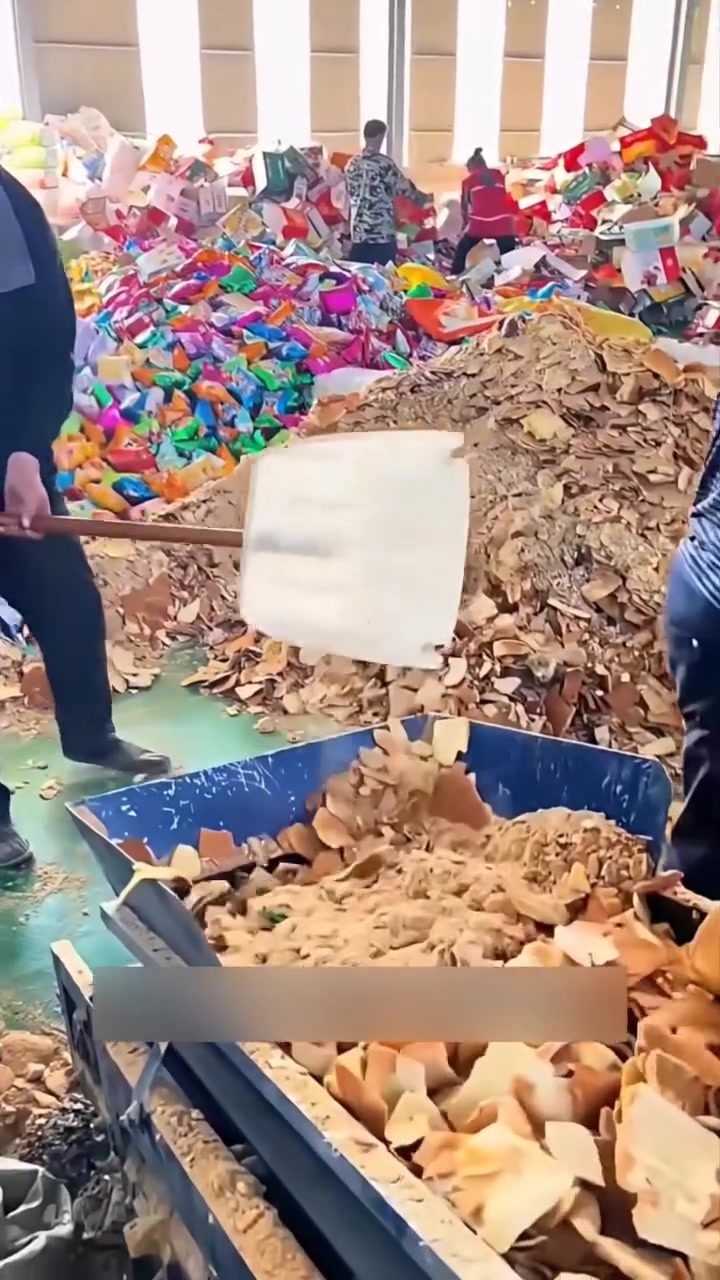
The Journey of Expired Supermarket Food
Expired food from supermarkets often evokes images of overflowing landfills, but there's more to the story. Instead of being simply discarded, much of this food is collected and sent to specialized recycling facilities. The transformation of expired supermarket food into something valuable involves several extensive steps.
Context / Why This Matters
The journey of expired supermarket food is significant for several reasons. By reusing expired food, these facilities not only reduce waste but also create valuable products that can be used as animal feed and more. By understanding the process, consumers and businesses can appreciate the importance of recycling and waste management in an increasingly sustainable world.
The Process of Recycling Expired Food
Separation and Sorting
The journey of expired supermarket food begins with separation and sorting. When food arrives at these facilities, workers remove hard packaging materials, like cardboard, from the food. Meanwhile, machines work to separate the food from the plastic wrappers. This sorting process is crucial as it allows for the efficient recycling of both the food and the packaging.
Feed Production
Once the food is separated, it is crushed into small particles. These particles are then mixed with other ingredients to create a nutritious feed for livestock. The feed produced from this process can be used to raise a variety of animals, including pigs, chickens, ducks, and fish.
Fruits and vegetables are rich in nutrients, including carbohydrates, vitamins, and minerals. Bread and biscuits are high in carbohydrates and protein, making them ideal for animal feed. Recycling these expired items is a smart way to transform waste into something useful.
Environmental Impact
Sending expired food to landfills has several negative environmental effects. It can pollute soil and groundwater, which can harm local ecosystems and potentially contaminate drinking water. Burning food waste can also create harmful gases. By recycling, we can reduce these environmental impacts while simultaneously lowering feed costs and reducing waste.
Innovation in Waste Management
The recycling of expired food is a testament to innovation in waste management. By transforming waste into something valuable, these facilities are not only reducing environmental pollution but also contributing to a sustainable future. The process involves both human intervention and advanced machinery.
Practical Tips
While the process of recycling expired food is complex, there are practical steps that consumers and businesses can take to support these efforts.
Consumers
As a consumer, the best way to support this process is to reduce food waste at home. By planning meals and using food efficiently, you can help lower the amount of food that ends up in landfills. Additionally, support businesses that are committed to sustainable practices and waste reduction.
Businesses
For businesses, it's essential to have a waste management plan in place. Partnering with recycling facilities can help reduce the amount of waste that your business produces. Investing in recycling machines and other sustainable technologies can also support these efforts.
Important Takeaways
The recycling of expired supermarket food is a fascinating and crucial process. It not only reduces waste but also creates valuable products that can be used in various ways. By understanding the process, we can all play a part in creating a more sustainable future.
Recycling is Key
Recycling is key to reducing waste and creating valuable products. By recycling expired food, we can reduce environmental pollution and create nutritious feed for livestock.
Sustainability
The process of recycling expired food is a testament to the importance of sustainability. It shows that waste can be transformed into something valuable, contributing to a more sustainable future.
Innovation
Innovation in waste management is crucial for a sustainable future. By investing in sustainable technologies and practices, we can all play a part in reducing waste and creating a more sustainable world.
Conclusion
The journey of expired supermarket food from landfills to valuable products is a fascinating and important process. By understanding the steps involved, consumers and businesses can support these efforts and contribute to a more sustainable future. From separation and sorting to feed production and environmental impact, every step of the process plays a crucial role in reducing waste and creating valuable products. By supporting recycling and sustainable practices, we can all play a part in creating a more sustainable world.
Questions readers ask
What happens to expired food from supermarkets after it is collected?
After collection, expired supermarket food is sent to specialized recycling facilities. There it undergoes a series of steps, including sorting, crushing, and mixing with other ingredients, which convert the waste into a valuable resource.
How does recycling expired food help the environment?
Recycling expired food reduces the amount of waste sent to landfills, which in turn lowers methane emissions, a potent greenhouse gas. This process also conserves resources by repurposing food waste into useful products, such as livestock feed.
What is the process of converting expired food into livestock feed?
The conversion process involves sorting the expired food to remove any non-food items, then crushing and mixing it with other ingredients to create a balanced and nutritious feed for livestock.
Why is it important to recycle expired food from supermarkets?
Recycling expired food from supermarkets reduces landfill waste and environmental impact. It also creates a valuable resource for livestock feed, which can help in reducing the cost of feed for farmers and promote sustainability.
Can all types of expired food be recycled into livestock feed?
Not all expired food can be recycled into livestock feed. Certain foods, such as those that are spoiled, contain allergens, or have packaging that is not safe for animals, must be removed during the sorting process.
What role do supernatural recycling facilities play in waste management?
Specialized recycling facilities play a crucial role in waste management by collecting and processing expired supermarket food. They transform this waste into valuable resources, such as livestock feed, and thereby reduce the environmental impact of waste.
Recent articles
Fresh deep dives from the latest Reels we unpacked.




Comments
Be the first to comment.