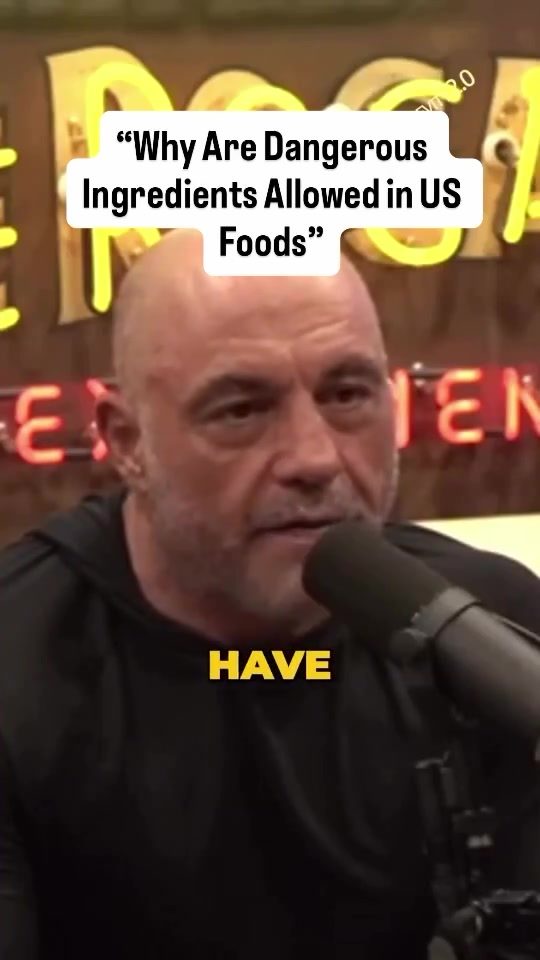
Why Are Dangerous Ingredients Allowed in U.S. Foods?
The United States and many European countries have vastly different standards for food ingredients. This disparity raises critical questions about food safety and the regulations that govern what we consume. Ingredients commonly found in American foods are banned in Europe due to potential health risks.
Why This Matters
Understanding the differences in food safety regulations between the U.S. and Europe is crucial for making informed dietary choices. The presence of potentially harmful ingredients in U.S. foods highlights the need for greater transparency and stricter regulations.
Ingredient Disparities: U.S. vs. Europe
The Issue with American Fast Food
American fast food, particularly from chains like McDonald's, often contains ingredients that are banned in Europe. For instance, a simple comparison of McDonald's fries in the UK and the U.S. reveals a stark difference. In the UK, the ingredients list for fries is short and straightforward: potatoes, salt, and maybe oil. In contrast, the U.S. version includes a longer list of additives and preservatives, raising concerns about their potential health impacts. This discrepancy underscores the varying standards and regulations between the two regions.
The Australian Perspective
The differences in food safety standards are not limited to Europe. A friend from Australia, for example, noted a significant difference when trying a Quarter Pounder in the U.S. The Australian version uses grass-fed meat that is fried with cheese in a bun—a simple and wholesome combination. In contrast, the U.S. version contains a more complex and potentially less healthy ingredient list. This observation from an Australian perspective highlights the broader issue of food safety standards worldwide.
Why the Discrepancies Exist
Regulatory Differences
The regulatory environments in the U.S. and Europe are fundamentally different. European countries often have stricter regulations on food additives and preservatives, banning many ingredients that are commonly used in American foods. This regulatory difference is a result of varying approaches to food safety and public health priorities.
Economic and Political Factors
The differences in food safety regulations are also influenced by economic and political factors. In the U.S., the food industry is a significant economic driver, and lobbying efforts by food manufacturers can influence regulatory decisions. In Europe, public health and consumer safety often take precedence, leading to stricter regulations on food ingredients.
Public Awareness and Consumer Demand
Public awareness and consumer demand play a critical role in shaping food safety regulations. In Europe, there is a higher level of public awareness about the potential health risks associated with certain food additives and preservatives. This awareness drives consumer demand for safer, more natural food products, leading to stricter regulations. In the U.S., while there is growing awareness, consumer demand for safer food products has not yet reached the same level, allowing for the continued use of potentially harmful ingredients.
What Can Be Done?
Advocating for Change
Advocating for stricter food safety regulations is crucial for ensuring that American consumers have access to safer food products. This can be achieved through public awareness campaigns, lobbying efforts, and supporting organizations that promote food safety.
Supporting Local and Organic Foods
Supporting local and organic food producers can also help drive change. Local and organic foods often adhere to stricter quality standards and use fewer additives and preservatives. By supporting these producers, consumers can send a clear message to the food industry about their preferences for safer, more natural food products.
Reading Labels and Making Informed Choices
Reading food labels and making informed choices is essential for consumers. By understanding the ingredients in their food, consumers can make better decisions about what they eat and avoid potentially harmful additives and preservatives.
Practical Tips
Eating Out Wisely
When eating out, especially at fast-food chains, choose healthier options and ask about ingredients when possible. Many fast-food chains now offer nutritional information and ingredient lists online, making it easier for consumers to make informed choices.
Cooking at Home
Cooking at home allows for greater control over the ingredients used in meals. By preparing food at home, consumers can avoid potentially harmful additives and preservatives and opt for fresher, more natural ingredients.
Supporting Safer Food Policies
Consumers can support safer food policies by contacting their representatives and advocating for stricter regulations on food additives and preservatives. Joining organizations that promote food safety and sustainability can also help drive change.
Important Takeaways
Understanding Regulatory Disparities
Understanding the regulatory disparities between the U.S. and Europe is essential for making informed dietary choices. The presence of potentially harmful ingredients in American foods highlights the need for greater transparency and stricter regulations.
Making Informed Choices
Making informed choices about food is crucial for maintaining good health. By reading labels, choosing healthier options, and supporting safer food policies, consumers can help drive change and promote food safety.
Supporting Local and Organic Foods
Supporting local and organic food producers can help drive change in the food industry. By supporting these producers, consumers can send a clear message about their preferences for safer, more natural food products.
Conclusion
The disparities in food safety regulations between the U.S. and Europe raise critical questions about the ingredients in American foods. By understanding these differences and making informed choices, consumers can help drive change and promote food safety. Advocating for stricter regulations, supporting local and organic foods, and making informed dietary choices are all essential steps in ensuring that consumers have access to safer, more natural food products.
Questions readers ask
Why are some ingredients allowed in U.S. foods but banned in Europe?
The U.S. and Europe have different regulatory standards for food ingredients. Some substances are permitted in American foods but prohibited in Europe due to potential health concerns, such as links to cancer or other diseases. This discrepancy often arises from differences in scientific interpretation and regulatory frameworks.
What are some examples of ingredients banned in Europe but allowed in the U.S.
Examples include certain artificial sweeteners like Aspartame, food dyes such as Yellow 5 and Red 40, and preservatives like BHA and BHT. These ingredients have been restricted in Europe due to concerns over potential health risks, but they remain in use in the U.S.
How does Joe Rogan discuss food safety concerns on his podcast?
Joe Rogan often invites experts to discuss food safety issues, focusing on the differences between U.S. and European food standards. He explores the potential health impacts of ingredients banned in Europe but allowed in the U.S., advocating for greater transparency in food labeling.
Why are McDonald's fries banned in Australia?
McDonald's fries are not banned in Australia, but there are stricter regulations on the use of certain ingredients. For instance, Australia has banned the use of potassium bromate and azodicarbonamide in food products, which are sometimes used in other countries, including the U.S. However, the issue is more about ingredient regulations than an outright ban on McDonald's fries.
What steps can consumers take to avoid potentially harmful ingredients?
Consumers can take several steps to avoid potentially harmful ingredients. Reading food labels carefully, choosing organic or non-GMO products, and opting for foods with shorter ingredient lists can help. Additionally, supporting organizations that advocate for stricter food safety regulations can contribute to broader changes in the food industry.
How do U.S. food safety standards compare to those in the EU?
The U.S. and the EU have different approaches to food safety. The EU often has stricter regulations and more stringent testing requirements for food ingredients, leading to the banning of certain substances that are permitted in the U.S. This difference underscores the need for greater transparency and more robust safety standards in the U.S.
What are the health impacts of consuming ingredients banned in Europe?
The health impacts of consuming ingredients banned in Europe can vary. Some ingredients have been linked to elevated cancer risks, allergies, and other health issues. For example, certain artificial food dyes have been associated with hyperactivity in children, while some preservatives may contribute to cancer risk with prolonged exposure.
Related deep dives
Similar reads based on topic and creator.


Recent articles
Fresh deep dives from the latest Reels we unpacked.




Comments
Be the first to comment.