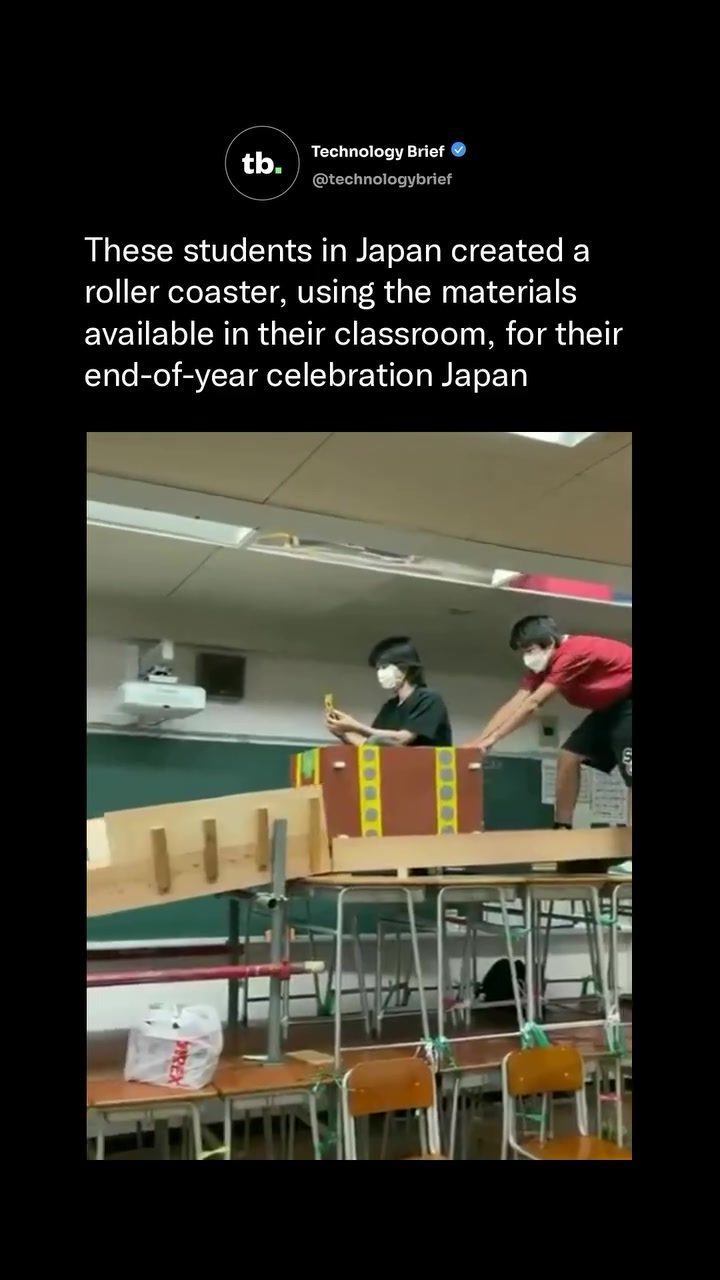
Student-Built Roller Coasters in Japanese Classrooms
High school students in Japan have taken their end-of-year celebrations to new heights by constructing fully functional roller coasters within the confines of their classrooms. These ambitious projects are part of the annual bunkasai, a school culture festival where classes compete to create the most innovative and exciting attractions.
Why This Matters
The bunkasai festival is more than just a fun event; it's an opportunity for students to showcase their creativity, problem-solving skills, and teamwork. Building a roller coaster from scratch requires meticulous planning, resource management, and, of course, the school’s approval. This unique tradition has gained significant attention, with roller coasters emerging as viral standouts year after year.
The Building Process
Planning and Approval
Constructing a roller coaster in a classroom is no small feat. It begins with weeks of careful planning. Students must secure approval from their school, ensuring that the project is safe and feasible. This process involves designing the roller coaster, determining the materials needed, and mapping out the construction timeline.
Materials and Construction
Students use a variety of materials found within the classroom to build the roller coaster. Common materials include wooden planks, stacked desks, and cardboard boxes. The track is crafted using classroom furniture as the foundation, with wood laid on top to form the rails and slopes. Cardboard boxes are often repurposed to create the roller coaster car, adding a fun and eco-friendly touch to the project.
Testing and Safety
Once the basic structure is in place, students test the roller coaster to ensure it is safe and functional. This involves pushing the cardboard box car up to the top of the track and letting it ride down to the floor, much to the delight of classmates who cheer them on. Safety is paramount, and students carefully check every aspect of the roller coaster to make sure it meets their rigorous standards.
Popularity and Future Trends
Themed Cafes and Haunted Houses
While roller coasters have become a recurring viral hit, they are not the only attractions at the bunkasai festival. Classes often create themed cafes and haunted houses, offering a diverse range of experiences. These attractions are designed to captivate visitors and demonstrate the students' creativity and resourcefulness.
The Future of DIY Projects
As DIY projects continue to gain popularity, many other schools around the world may look to Japan as an inspiration for their own end-of-year celebrations. The tradition of the bunkasai festival serves as a reminder of the innovative and creative projects that students can undertake, showcasing their skills and inspiring future generations.
Practical Tips for Building a Roller Coaster
For those interested in replicating this project, here are some practical tips to keep in mind:
- Plan Thoroughly: Start with a detailed plan that includes a design, materials list, and timeline. This will help you stay organized and on track.
- Use Available Materials: Look around your classroom or school for materials that can be repurposed. This not only saves money but also promotes sustainability.
- Ensure Safety First: Always prioritize safety. Test the roller coaster thoroughly before allowing anyone to ride it.
- Collaborate: Encourage teamwork and collaboration. Assign roles and responsibilities to ensure that everyone contributes to the project.
- Get Approval: Make sure to secure approval from your school before starting any construction. This ensures that the project is feasible and safe.
Important Takeaways
Building a roller coaster in a classroom is an exceptional project that showcases creativity, teamwork, and resourcefulness. It requires careful planning, the use of available materials, and a strong emphasis on safety. This unique tradition at Japanese schools not only provides an exciting end-of-year celebration but also offers valuable experiences for students, helping them develop essential skills.
Conclusion
The tradition of building roller coasters during Japan’s annual bunkasai festival is a testament to the creativity and ingenuity of students. These projects are not just about having fun; they are about learning, collaborating, and pushing the boundaries of what is possible within a classroom setting. As more schools around the world adopt similar DIY projects, the legacy of these student-built roller coasters will continue to inspire future generations.
Questions readers ask
What is the bunkasai festival and why is it significant?
The bunkasai is an annual school culture festival in Japan where students collaborate on creative projects. It is significant because it allows students to demonstrate their creativity, problem-solving skills, and teamwork in a practical setting. The festival also fosters a sense of school spirit and community engagement.
How do students build roller coasters in their classrooms?
Students design and build their roller coasters using materials like cardboard, foam board, and other readily available supplies. They plan the layout, measure the dimensions, and test different designs to ensure the roller coasters function safely and smoothly. Teachers often provide guidance and approve the final designs.
What skills do students develop through this project?
Students develop a range of skills, including creativity, resource management, and problem-solving. They learn to work in teams, manage resources effectively, and apply scientific principles to create a functional roller coaster. This hands-on experience also enhances their understanding of physics and engineering concepts.
Are the roller coasters safe for students to ride?
Safety is a priority in the construction of these roller coasters. While they are designed and built by students, the projects are often supervised by teachers and must meet certain safety standards. Students test their roller coasters thoroughly to ensure they are safe for riders before the festival.
What materials are typically used to build these roller coasters?
The most common materials used are cardboard and foam board, which are affordable, light weight, and easy to manipulate. Some students may also use additional materials like tape, glue, and cardboard tubes to enhance the roller coaster's structure and aesthetics. The goal is to create a functional and visually appealing ride within a limited budget.
How do schools ensure that the roller coaster projects are completed on time?
Schools typically allocate a specific time frame for the project, often spanning several weeks. Teachers provide regular check-ins and milestones to keep students on track. This includes design planning, material gathering, building, and testing phases. Schools may also offer additional resources or support to ensure the projects are completed successfully.
What happens after the roller coasters are built and tested?
Once the roller coasters are completed and tested, they are set up in the classrooms or designated areas for the bunkasai festival. Students and visitors can then enjoy the rides, and classes compete to see who has created the most innovative and exciting attraction. The festival often includes other activities and performances, making it a comprehensive celebration of school culture.
Recent articles
Fresh deep dives from the latest Reels we unpacked.




Comments
Be the first to comment.