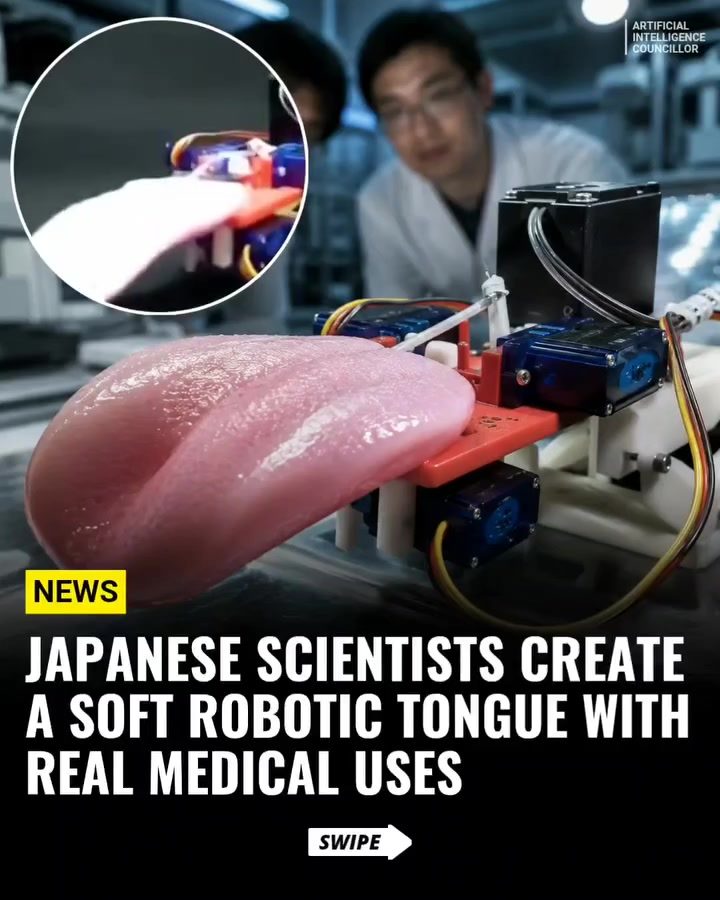
Robotic Tongues in Medical Research
A soft robotic tongue, created by Japanese scientists, is pushing the boundaries of medical research and rehabilitation. This innovative device mimics real human tongue movement using silicone and air-powered actuators, showcasing potential applications in studying swallowing disorders and improving assistive care.
Context
The development of robotic technology in medical research aims to provide new tools for understanding and treating various conditions. The robotic tongue is a prime example of how bio-inspired robotics can be applied in healthcare, offering unique opportunities for doctors and researchers to gain deeper insights into human physiology and improve patient care.
Main Discussion
The Design and Functionality of the Robotic Tongue
The robotic tongue is designed to replicate the movement and flexibility of a real human tongue. It is constructed using silicone, a material that provides the necessary softness and durability. The tongue's motion is controlled by air-powered actuators, which allow for precise and natural movements.
Bio-inspired robotics is a field that draws inspiration from natural systems, such as the human body, to create functional and efficient robotic systems. The tongue's design is a testament to the advancements in this area, as it closely mimics the movements of a human tongue, making it a valuable tool for medical research.
Potential Medical Applications
The robotic tongue has several potential medical applications, particularly in the study of swallowing disorders. Dysphagia, or difficulty swallowing, is a common issue that can significantly impact a person's quality of life. By using the robotic tongue, researchers can better understand the mechanics of swallowing and develop new treatments and therapies.
In addition to research, the robotic tongue could also improve assistive care. For individuals with swallowing difficulties, the device could help in the development of assistive devices that enhance their ability to swallow safely and comfortably. This could include personalized rehabilitation programs and custom-designed swallowing aids.
The Future of Bio-Inspired Robotics in Healthcare
The robotic tongue is just one example of how bio-inspired robotics can revolutionize healthcare. By mimicking natural systems, these technologies offer unique solutions to complex medical problems. As the field continues to advance, we can expect to see more innovative devices that could become a normal part of healthcare. The integration of such technologies could lead to more effective treatments, improved patient outcomes, and a better understanding of the human body.
Practical Tips
If you are interested in exploring the potential of bio-inspired robotics in healthcare, here are some practical steps you can take:
-
Stay Informed: Keep up-to-date with the latest developments in bio-inspired robotics and medical technology. Following reputable sources and experts in the field can provide valuable insights and information.
-
Engage with Researchers: Connect with researchers and scientists working in this area. Attend conferences, workshops, and seminars to learn more about the latest advancements and potential applications of these technologies.
-
Explore Collaboration Opportunities: If you are involved in healthcare or robotics, consider collaborating with researchers in bio-inspired robotics. This can lead to exciting projects and innovative solutions.
-
Join Online Communities: Participate in online forums, social media groups, and discussion boards focused on bio-inspired robotics and medical technology. These platforms offer opportunities to share knowledge, ask questions, and stay connected with like-minded individuals.
Important Takeaways
The robotic tongue developed by Japanese scientists is a groundbreaking innovation in medical research and rehabilitation. Its design, which mimics the movement of a human tongue, offers unique opportunities for studying swallowing disorders and improving assistive care. As the field of bio-inspired robotics continues to advance, we can expect to see more innovative devices that could transform healthcare. By staying informed, engaging with researchers, and exploring collaboration opportunities, you can be part of this exciting journey.
Conclusion
The future of bio-inspired robotics in healthcare looks promising, with innovations like the robotic tongue leading the way. By understanding the design, functionality, and potential applications of such technologies, we can better appreciate their significance and explore ways to integrate them into medical practice. This cutting-edge device not only pushes the boundaries of what is possible in medical research but also offers hope for improved patient care and a deeper understanding of the human body.
Recent articles
Fresh deep dives from the latest Reels we unpacked.




Comments
Be the first to comment.