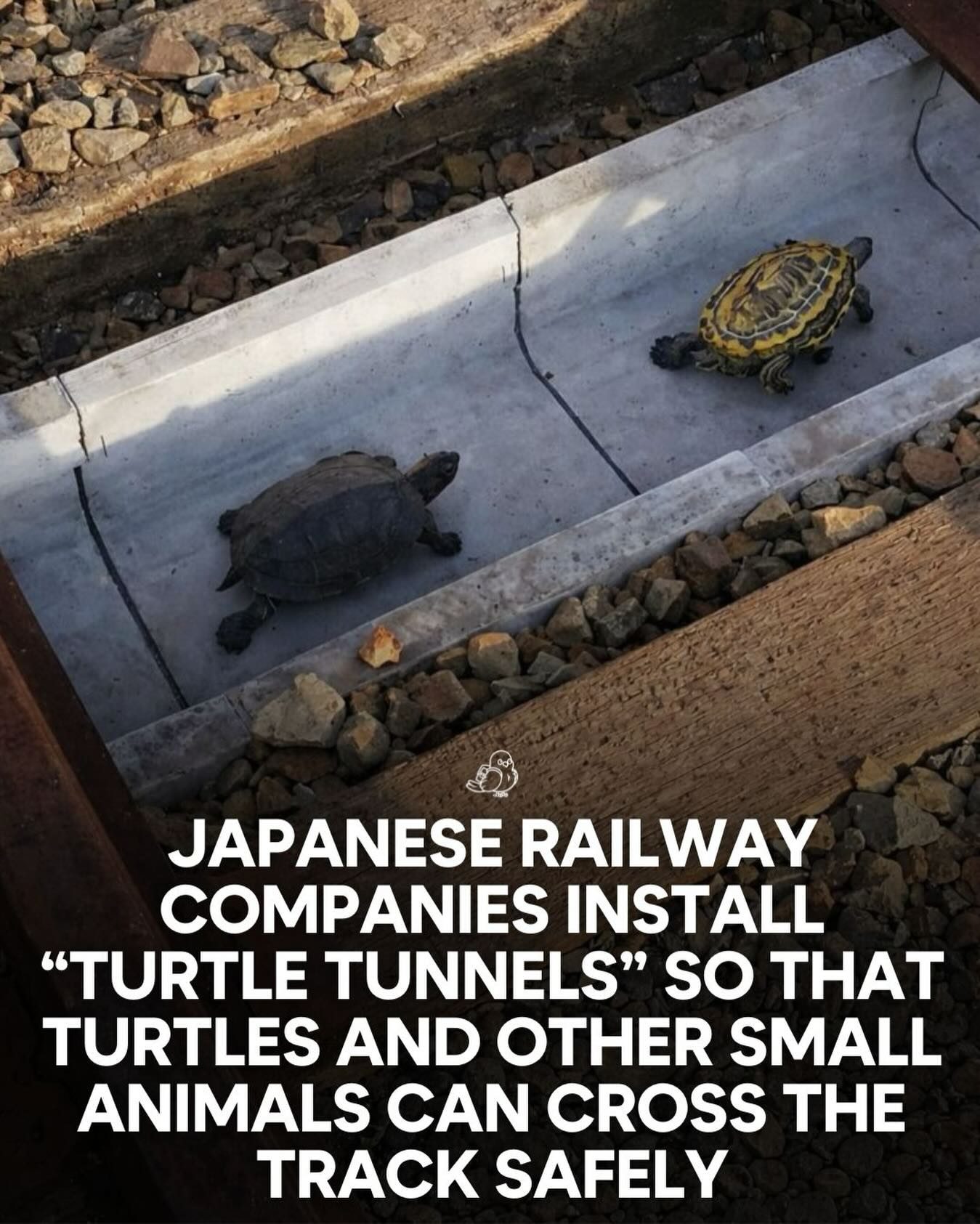
Turtle Tunnels: A Creative Solution for Wildlife Safety
Japanese railway companies have implemented innovative "turtle tunnels" beneath train tracks, aiming to keep wildlife safe by providing secure pathways across the tracks. These tunnels are not just about turtles; they also benefit other small animals, ensuring a safer ecosystem around railway lines.
Why This Matters
With the ever-expanding human development, wildlife faces numerous challenges, including habitat fragmentation and increased mortality from collisions with vehicles and railways. Turtle tunnels are a proactive measure addressing these issues while maintaining the efficiency of railway operations. This initiative underscores the significance of integrating wildlife protection measures into infrastructure design.
The Birth of Turtle Tunnels
Observations and Inspiration
The idea for turtle tunnels originated from the keen observations of railway workers. They noticed that turtles and other small animals often got trapped between the tracks, leading to injuries or fatalities. This problem wasn't just about safety but also about the impact on local ecosystems. The workers recognized the need for a solution that would preserve wildlife while ensuring the safe operation of trains.
Development and Implementation
Japanese railway companies responded by designing and installing narrow underpasses, or "turtle tunnels." These underpasses are strategically placed to intersect with the natural travel routes of wildlife. The tunnels guide animals away from the active railway lines, significantly reducing the risk of collisions. This design aligns with the animals' natural movement patterns, making it an effective and low-cost solution.
Maintaining Train Safety
Design and Function
Turtle tunnels are designed with a keen eye on safety for both humans and wildlife. The tunnels are narrow, ensuring that only small animals can pass through, which minimizes any potential disruptions to train operations. This thoughtful design ensures that the wildlife crossings do not compromise train safety or efficiency. The tunnels' simplicity and low cost make them a practical solution that railway companies can easily implement.
Environmental Benefits
These tunnels serve a broader environmental purpose. By allowing animals to cross safely, they help maintain the integrity of local ecosystems. The tunnels ensure that wildlife is not cut off from their habitats, which is crucial for their survival and overall biodiversity. This initiative shows how thoughtful infrastructure can significantly impact wildlife protection, proving that even small changes can make a big difference for animals living alongside human development.
Practical Tips for Implementing Wildlife Crossings
Assessing Wildlife Behavior
For anyone considering implementing similar measures, it is essential to assess the local wildlife behavior. Understanding how and where animals move can inform the design and placement of wildlife crossings. Railway companies and other infrastructure developers should collaborate with wildlife experts to gather this information.
Designing Effective Underpasses
When designing underpasses, consider the size and movement patterns of the local wildlife. For example, turtles have specific movement patterns, so tunnels should be designed accordingly. Factors such as tunnel width, height, and location are crucial. The tunnels should be placed at points where wildlife is known to cross, ensuring they are used effectively.
Monitoring and Maintenance
Once installed, wildlife crossings should be regularly monitored to ensure they are functioning correctly. This involves cleaning the tunnels, checking for any obstructions, and repairing any damage. Regular monitoring ensures that the crossings remain effective and safe for both wildlife and humans.
Important Takeaways
Mastering infrastructure design for wildlife safety requires a combination of observation, collaboration, and thoughtful design. Railway companies have shown that even small, low-cost solutions like turtle tunnels can have a significant impact on wildlife safety. This initiative serves as a model for other infrastructure projects, demonstrating how to balance human development with environmental stewardship.
Conclusion
Turtle tunnels are a shining example of how thoughtful infrastructure can protect biodiversity. They highlight the importance of considering wildlife safety in infrastructure design and how small changes can make a big difference. By prioritizing wildlife safety, railway companies set a precedent for other infrastructure developers to follow, ensuring that human development and environmental protection go hand in hand.
Questions readers ask
What inspired Japanese railways to build turtle tunnels?
Japanese railways built turtle tunnels to address the issue of habitat fragmentation and to reduce wildlife mortality from train collisions. These tunnels provide safe passages for turtles and other small animals, ensuring they can cross train tracks without risk.
How do turtle tunnels benefit the local ecosystem?
Turtle tunnels benefit the local ecosystem by allowing wildlife to cross railway tracks safely. This helps maintain biodiversity and supports the natural movement of animals, which is crucial for their survival and the overall health of the ecosystem.
What other animals benefit from these tunnels besides turtles?
While the tunnels are named for turtles, they are designed to accommodate a variety of small animals. This includes creatures like snakes, lizards, and small mammals, all of which benefit from the safe crossing opportunities provided by these tunnels.
How do turtle tunnels impact railway operations?
Turtle tunnels are designed to integrate seamlessly with railway operations. They do not interrupt train schedules or efficiency. Instead, they enhance the overall infrastructure by promoting wildlife safety and maintaining the environmental balance around railway lines.
Are these tunnels only found in certain regions of Japan?
Turtle tunnels have been implemented across various regions of Japan where railway lines intersect with important wildlife habitats. This widespread adoption highlights Japan's commitment to wildlife protection and sustainable infrastructure development.
What measures are taken to ensure animals use the tunnels?
To encourage animals to use the tunnels, Japanese railways often construct them in critical locations where wildlife is known to cross. Additionally, the tunnels are designed with features that attract and guide animals, such as specific materials and dimensions that mimic natural habitats.
Related deep dives
Similar reads based on topic and creator.
Recent articles
Fresh deep dives from the latest Reels we unpacked.




Comments
Be the first to comment.