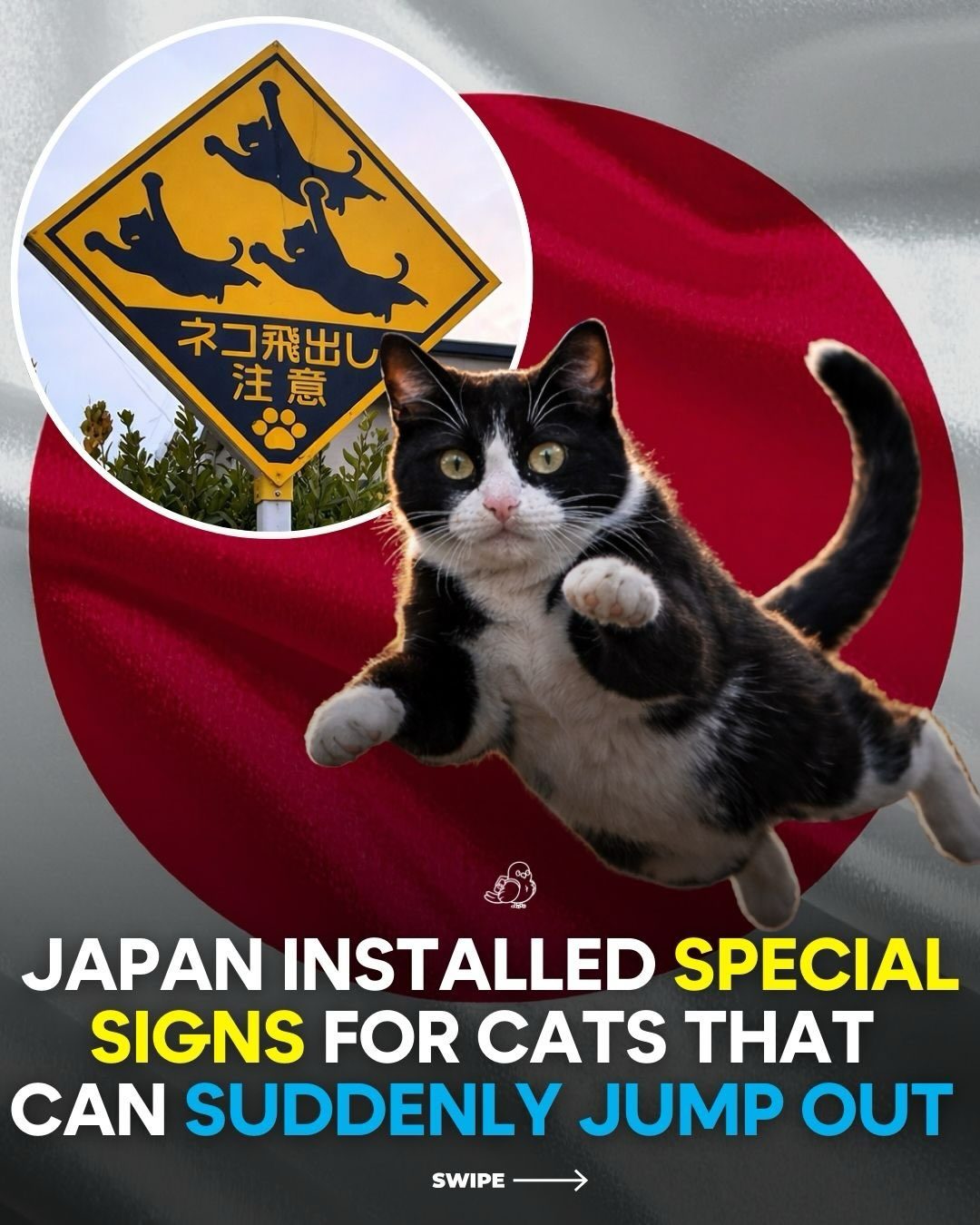
Japan's Cat Crossing Signs
Japan is renowned for its unique blend of tradition and modernity, and one of the most charming examples of this fusion is the country's cat crossing signs. These signs, often found in residential areas, serve as a playful and practical reminder for drivers to watch out for feline friends who might dart across the road unexpectedly. Let’s delve into the significance, design, and cultural context of these quirky road safety measures.
Context / Why This Matters
Cat crossing signs are a testament to Japan's attention to detail and community-minded approach to road safety. While the idea of warning drivers about cats might seem whimsical, it addresses a very real issue in many Japanese neighborhoods. Cats are a beloved part of the community, and these signs reflect a deep respect for both human and animal life. This initiative is not just about road safety but also about fostering a harmonious coexistence between pets and people.
Main Discussion
Design and Placement
The cat crossing signs are typically yellow diamond-shaped, a universal road sign color that signifies caution. They feature playful silhouettes of cats in various poses, such as leaping or stretching. This design not only grabs the driver's attention but also adds a touch of whimsy to the roadside landscape. The illustrations are often in bold, contrasting colors, making them easily visible from a distance. The signs are usually found in neighborhoods where cats are known to roam freely, ensuring that drivers are particularly vigilant in these areas.
The signs are often accompanied by Japanese text, presumably indicating the warning. While the exact translation may vary, the intent is clear: to alert drivers to the potential presence of cats and to encourage them to slow down and stay alert. This combination of visual and textual warnings makes the signs effective and inclusive, catering to both local residents and visitors.
Cultural Significance
Japan has a rich cultural history of respecting and caring for animals, and the cat crossing signs are a modern manifestation of this tradition. In many Japanese communities, cats are considered good luck and are often seen as guardians of the home. The cat crossing signs reflect this cultural appreciation and ensure that these beloved animals are protected. They also serve as a reminder of the Japanese value of harmony between humans and nature, a concept deeply ingrained in the culture.
Practical Benefits
Beyond their cultural significance, these signs have practical benefits as well. Cats are known to have unpredictable behavior, especially when crossing roads. The signs help drivers anticipate and prepare for such encounters, reducing the risk of accidents. They also serve as a visual cue for drivers to slow down in residential areas, promoting overall road safety. Moreover, these signs can act as a community bonding tool, reminding residents of their shared responsibility to protect their feline neighbors.
Public Reception
The cat crossing signs have been well-received by both locals and visitors. Many appreciate the unique and charming design, which adds a touch of personality to the roads. However, the practical benefits of the signs are equally valued. Drivers often express gratitude for the clear and visible warnings, which help them navigate cat-populated areas safely. The signs have also become a popular subject for photography and social media, adding to their cultural cachet.
Practical Tips
For travelers and residents in Japan, here are some practical tips for navigating areas with cat crossing signs:
Stay Alert
Always stay alert when driving through areas marked with cat crossing signs. Cats can appear suddenly, and being prepared can help you avoid an accident.
Slow Down
These signs are often found in residential areas, so it's a good practice to slow down and be cautious. Cats may not always be visible, so reducing your speed allows for better reaction time.
Look for Additional Signals
Some areas may have additional signals, such as flashing lights or more detailed warnings. Pay attention to these, as they can provide more specific information about the road conditions.
Important Takeaways
Unique Road Safety Measures
The cat crossing signs in Japan are a unique and effective way to address road safety concerns related to feline encounters. They serve as a reminder of the country's commitment to both road safety and animal welfare.
Cultural Harmony
These signs reflect Japan's cultural values of harmony and respect for animals. They are not just practical road signs but also a representation of the country's deep-seated traditions and values.
Practical Benefits
The signs have practical benefits, such as reducing the risk of accidents and promoting overall road safety. They also serve as visual cues for drivers to slow down in residential areas.
Conclusion
The cat crossing signs in Japan are more than just road safety measures; they are a reflection of the country's unique blend of tradition and modernity. These signs serve as a charming and practical reminder for drivers to stay alert and slow down, especially in neighborhoods where cats roam freely. They also embody the Japanese values of harmony and respect for animals, making them a beloved part of the roadside landscape. Next time you're in Japan, keep an eye out for these delightful signs and appreciate the thoughtful design and cultural significance behind them.
Questions readers ask
What are Japan's cat crossing signs and where can they be found?
Japan's cat crossing signs are yellow, diamond-shaped road signs featuring playful cat silhouettes. They are typically found in residential areas, helping drivers to spot and avoid feline friends who might wander across the road.
What is the purpose of cat crossing signs in Japan?
These signs serve as road safety measures, reminding drivers to exercise caution in areas where cats are likely to cross unexpectedly. They help reduce the risk of accidents and protect both cats and drivers. They also reflect Japan's community-minded approach to road safety.
What do the cat crossing signs symbolize in Japanese culture?
The cat crossing signs symbolize Japan's respect for animal life and community well-being. They showcase the country's unique ability to blend practicality with cultural charm, highlighting the importance of cats in Japanese neighborhoods and the need to protect them.
How do cat crossing signs contribute to road safety in Japan?
By alerting drivers to the presence of cats, these signs help prevent potential accidents. They encourage motorists to slow down and be more attentive, fostering a safer environment for both pedestrians and animals. This is a good example of how small details can contribute to the overall safety of the community.
Can I find cat crossing signs in other countries besides Japan?
While Japan is particularly known for its cat crossing signs, similar animal warning signs can be found in other countries as well. For example, some places may have signs warning drivers about the presence of deer, moose, or other wildlife. However, the cat crossing signs are uniquely Japanese in their design and cultural significance.
Are there other unique Japanese road signs that highlight cultural or animal life?
Japan is known for its unique road signs, including those that warn about the presence of wildlife or emphasize respect for natural habitats, as well as signs that point out special areas of cultural significance. For example, there are signs to alert drivers to the presence of wild boar or to mark areas with historical shrines or scenic landmarks.
How do cat crossing signs reflect Japan's community values?
The cat crossing signs reflect Japan's community values by showing a collective concern for the safety and well-being of all residents, including animals. They demonstrate the community's commitment to creating a harmonious environment where both humans and animals can coexist safely. Additionally, they showcase Japan's attention to detail and the importance of community-minded initiatives.
Related deep dives
Similar reads based on topic and creator.




Recent articles
Fresh deep dives from the latest Reels we unpacked.




Comments
Be the first to comment.