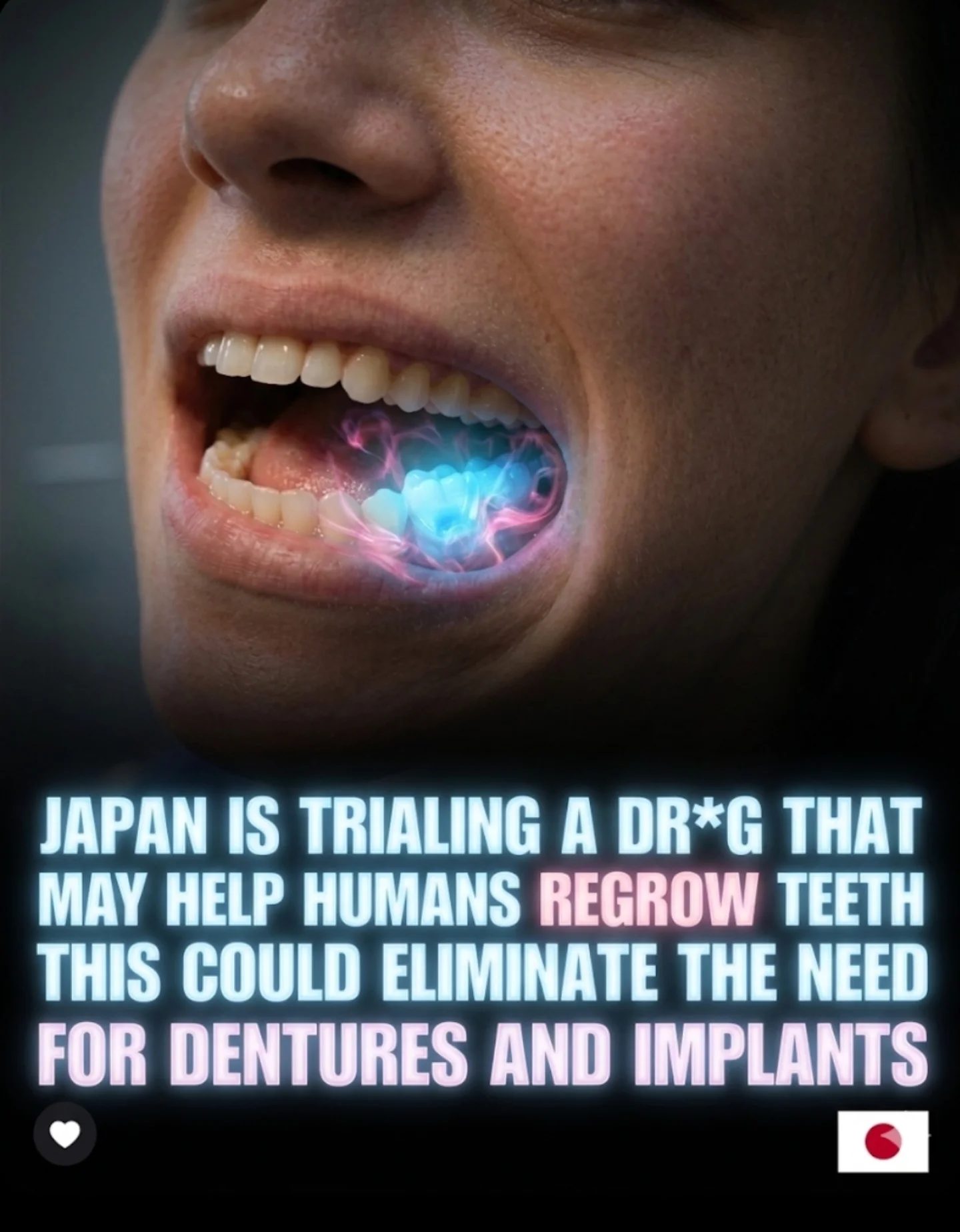
Tooth Regrowth Trials in Japan
Japan is at the forefront of a medical breakthrough with the initiation of the world's first human clinical trials for a drug designed to regrow teeth. This groundbreaking work is being conducted by researchers at Kyoto University Hospital in collaboration with the Japanese startup Toregem BioPharma.
Context / Why This Matters
The potential impact of successful tooth regrowth trials is significant for dental care. Currently, the options for replacing missing teeth are limited to dentures, bridges, and implants. Each of these has its own set of challenges and limitations. Dentures can be uncomfortable and unstable, requiring regular adjustments. Dental implants, while more stable, are invasive and costly procedures. A drug that can stimulate tooth regrowth could revolutionize dental care by providing a more natural, less invasive solution for patients with missing teeth.
Main Discussion
The Science Behind Tooth Regrowth
The experimental treatment involves an intravenous antibody called TRG-035. This drug targets a protein known as USAG-1, which plays a role in suppressing tooth development. By inhibiting USAG-1, TRG-035 effectively "unlocks" the body's natural ability to activate dormant tooth buds. These tooth buds are often referred to as "third-generation" teeth, a term that reflects the potential for multiple cycles of tooth development.
TRG-035 has shown promising results in animal trials. Successful testing in mice and ferrets has paved the way for human clinical trials, which began in late 2024. The current Phase I trial is focused on evaluating the drug's safety in healthy adult males. If the safety milestones are met, the research team aims for a commercial release by 2030. The commercial availability of this drug would provide a biological alternative to traditional dentures and dental implants, benefiting patients with congenital tooth defects or those who have lost teeth due to injury or decay.
The Clinical Trial Process
The clinical trial process is rigorous and multi-phased. Phase I trials, like the ones currently underway, focus primarily on safety. Researchers are monitoring the drug's effects on healthy volunteers to ensure it is safe for human use. Once the safety of TRG-035 is established, the trials will progress to Phase II, where the drug's efficacy will be tested in patients with tooth loss or defects. Phase III trials will further validate the drug's effectiveness and monitor long-term effects. Eventually, if all phases are successfully completed, TRG-035 could be approved for commercial use.
Potential Impact on Dental Care
The implications of successful tooth regrowth trials are vast. For patients with congenital tooth defects or those who have lost teeth due to injury or decay, this could mean a significant improvement in quality of life. The ability to regrow natural teeth would eliminate the need for dentures and implants, providing a more natural and comfortable solution.
Moreover, the potential economic impact is substantial. The global market for dental implants and dentures is massive, and a drug that can regrow teeth could disrupt this market. Patients would no longer need to invest in costly and often uncomfortable dental prosthetics, potentially leading to significant healthcare cost savings.
Practical Tips
Understanding this clinical trial, what's next? Here are some steps you can take to stay informed:
-
Stay Updated: Follow reputable medical news sources for updates on the progress of the clinical trials. Websites like PubMed, ClinicalTrials.gov, and medical journals can provide reliable information.
-
Consult a Dental Professional: If you are considering dental implants or dentures, it may be worth consulting with a dental professional about the potential benefits and timelines of tooth regrowth treatments.
-
Participate in Research: If eligible, consider participating in clinical trials as a volunteer. This can provide valuable data and contribute to the advancement of dental care.
-
Healthy Lifestyle Choices: Maintain good oral hygiene and regular dental check-ups. While this new treatment is promising, preventive care remains crucial for maintaining oral health.
Important Takeaways
There's a lot to take away from this innovative research:
-
Dental Care Revolution: The potential for tooth regrowth represents a significant shift in dental care, moving away from prosthetic solutions to biological ones.
-
Scientific Breakthrough: The development of TRG-035 demonstrates the power of innovation in medical research, particularly in targeted drug therapies.
-
Ongoing Research: While the initial results are promising, continuous research and clinical trials are essential to ensure the safety and efficacy of the treatment.
Conclusion
The initiation of human clinical trials for a drug that can regrow teeth is a monumental step in dental care. With researchers at Kyoto University Hospital and Toregem BioPharma leading the charge, the future of dental health looks promising. If successful, this revolutionary treatment could eliminate the need for dentures and implants, offering a natural and effective solution for tooth loss. As the trials progress, staying informed and supportive of this groundbreaking research can pave the way for significant advancements in dental health.
Questions readers ask
Who is conducting the clinical trials for tooth regrowth in Japan?
The clinical trials are being conducted by researchers at Kyoto University Hospital in collaboration with the Japanese startup Toregem BioPharma.
What is the drug used in the tooth regrowth trials?
The drug used in the trials is an intravenous antibody called TRG-035, which targets a protein that suppresses tooth development.
How does the drug TRG-035 work to regrow teeth?
TRG-035 works by targeting and inhibiting a specific protein that normally suppresses tooth development. By doing so, it aims to stimulate the natural regrowth of teeth.
What are the current alternatives to tooth regrowth for missing teeth?
The current alternatives include dentures, bridges, and dental implants. Each of these options has its own drawbacks, such as discomfort, instability, or the need for invasive procedures.
Why is the development of a tooth regrowth drug significant for dental care?
A successful tooth regrowth drug could revolutionize dental care by providing a more natural and less invasive solution for missing teeth. This could greatly reduce the reliance on artificial tooth replacement methods.
What makes the tooth regrowth trial in Japan unique?
The trial in Japan is unique because it is the world's first human clinical trial for a drug designed to regrow teeth, marking a significant milestone in dental innovation.
What are the potential benefits of using a drug to regrow teeth compared to dental implants?
Using a drug to regrow teeth could offer a less invasive and more natural solution compared to dental implants. This method could potentially avoid the complications and costs associated with surgical dental implant procedures.
Recent articles
Fresh deep dives from the latest Reels we unpacked.




Comments
Be the first to comment.