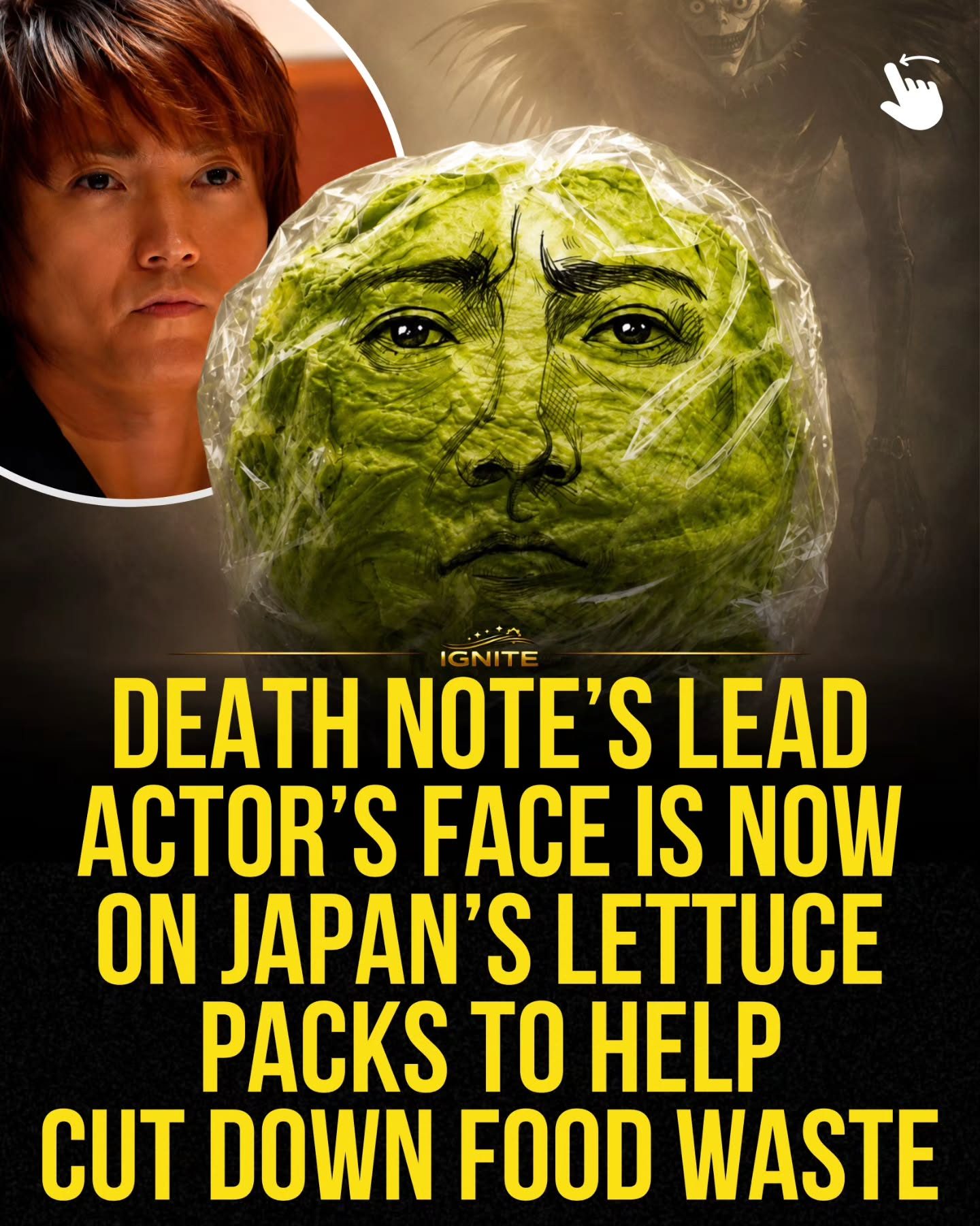
Chilling Out with Celebrities: Japan's Lettuce Packaging & Food Waste Reduction
The sight of a familiar face staring back at you from a head of lettuce might seem like a surreal experience, but in Japan, it's a clever initiative to reduce food waste. The unique packaging features the face of Tatsuya Fujiwara, the lead actor from the popular manga and anime series Death Note. This campaign, orchestrated by Japanese food company Ajinomoto and JA Zen Noh Nagano, aims to make lettuce more appealing and reduce the significant amount of food waste in the country.
Why This Matters
Japan produces more lettuce than it consumes, especially during the summer. Unfortunately, a substantial portion of this lettuce ends up being thrown away because shoppers often buy only half of what they need. By making the packaging more eye-catching and recognizable, the initiative hopes to encourage consumers to buy less impulsively and use the entire head of lettuce. This not only reduces waste but also promotes a more sustainable food culture.
The Creative Approach
The Role of Celebrity Endorsements
Tatsuya Fujiwara's face on the lettuce wrapping is more than just a gimmick. It's a strategic move to attract attention and generate interest. Fujiwara, known for his iconic role as Light Yagami in Death Note, brings a level of familiarity and curiosity that can drive consumers to pick up the lettuce. This approach is a modern take on traditional celebrity endorsements, where the famous face is not just promoting a product but also encouraging a behavior—using all the lettuce and not letting it go to waste.
The Power of Puns
The campaign's name is a pun in Japanese. It sounds like "Please buy," but translates to "Lettuce." This clever use of language not only makes the campaign memorable but also subtly encourages customers to purchase more lettuce. The combination of a recognizable face and a playful name helps in making the initiative stand out in a crowded supermarket setting.
QR Codes and Recipes
Each lettuce wrapper includes a QR code that links to recipes designed to help finish an entire head of lettuce in one meal. This is a practical solution to the problem of half-used lettuce. By providing creative and delicious recipe ideas, the campaign ensures that consumers find ways to use the entire head of lettuce, thereby reducing waste and making the most of their purchase.
Practical Tips for Reducing Food Waste
While the lettuce campaign is unique to Japan, the principles behind it can be applied universally to reduce food waste.
Plan Your Meals
One of the simplest ways to reduce food waste is by planning your meals for the week. Make a list of what you need and stick to it when you go grocery shopping. This helps in buying only what you need and using it efficiently.
Use Leftovers Creatively
Instead of letting leftovers sit in the fridge and eventually go to waste, find creative ways to reuse them. For example, leftover vegetables can be turned into soups, stews, or omelettes. The key is to view leftovers as an opportunity rather than a chore.
Store Food Properly
Proper storage can extend the shelf life of your food. Use airtight containers, refrigerate perishable items, and follow storage guidelines for different types of food. Proper storage not only keeps food fresh but also reduces the chances of spoilage, cutting down on waste.
Compost
Composting is a great way to deal with food waste that can't be avoided. It turns organic waste into nutrient-rich soil, which can be used in gardening. Composting helps reduce the amount of waste sent to landfills and provides a sustainable solution for organic waste.
Important Takeaways
- Japan's lettuce packaging campaign shows that creative marketing can help reduce food waste.
- The use of celebrity endorsements and punny names can make a significant impact in attracting consumer attention.
- QR codes and recipes are practical tools for encouraging consumers to use the entire product.
Conclusion
Japan's innovative approach to lettuce packaging, featuring the face of a famous actor and clever marketing strategies, is a testament to the creative solutions that can be employed to tackle food waste. By making lettuce more appealing and providing practical resources like recipes, the campaign not only reduces waste but also promotes a more mindful food culture. While the specifics of the campaign are unique to Japan, the principles behind it—such as planning meals, using leftovers creatively, and storing food properly—can be universally applied to reduce food waste.
Questions readers ask
How does Japan's celebrity lettuce packaging initiative help reduce food waste?
By featuring celebrities like Tatsuya Fujiwara, the initiative aims to make lettuce more appealing. This encourages consumers to purchase more lettuce, helping to reduce the excess supply that often ends up as food waste.
Which celebrities are involved in Japan's food waste reduction campaign?
The campaign features Tatsuya Fujiwara, known for his role in *Death Note*. Other celebrities may be involved in future campaigns, adding to the star power and helping to boost awareness of the cause.
What is the main goal of the celebrity lettuce packaging campaign in Japan?
The primary goal is to reduce food waste by making lettuce more attractive to consumers. This helps to decrease the amount of lettuce thrown away due to overproduction and underconsumption.
Why is reducing food waste important in Japan?
Japan produces more lettuce than it consumes, particularly in the summer. This leads to a significant amount of food waste, which has environmental and economic implications. By reducing this waste, Japan can become more sustainable.
How effective is using celebrity faces on packaging to reduce food waste?
This approach can be effective as it grabs attention and makes the product more appealing. By increasing consumer interest, it encourages more lettuce to be bought and consumed, ultimately reducing waste.
What role do food companies play in reducing food waste in Japan?
Companies like Ajinomoto are actively involved in initiatives aimed at reducing food waste. They partner with organizations like JA Zen Noh Nagano to implement creative solutions, such as celebrity lettuce packaging, to tackle this issue.
Are there any other creative approaches to reduce food waste besides celebrity packaging?
Food companies in Japan are also exploring various methods to reduce food waste, such as promoting better storage, usage, and encouraging consumers to buy less and waste more. These strategies help to address the root causes of food waste.
Related deep dives
Similar reads based on topic and creator.



Recent articles
Fresh deep dives from the latest Reels we unpacked.




Comments
Be the first to comment.