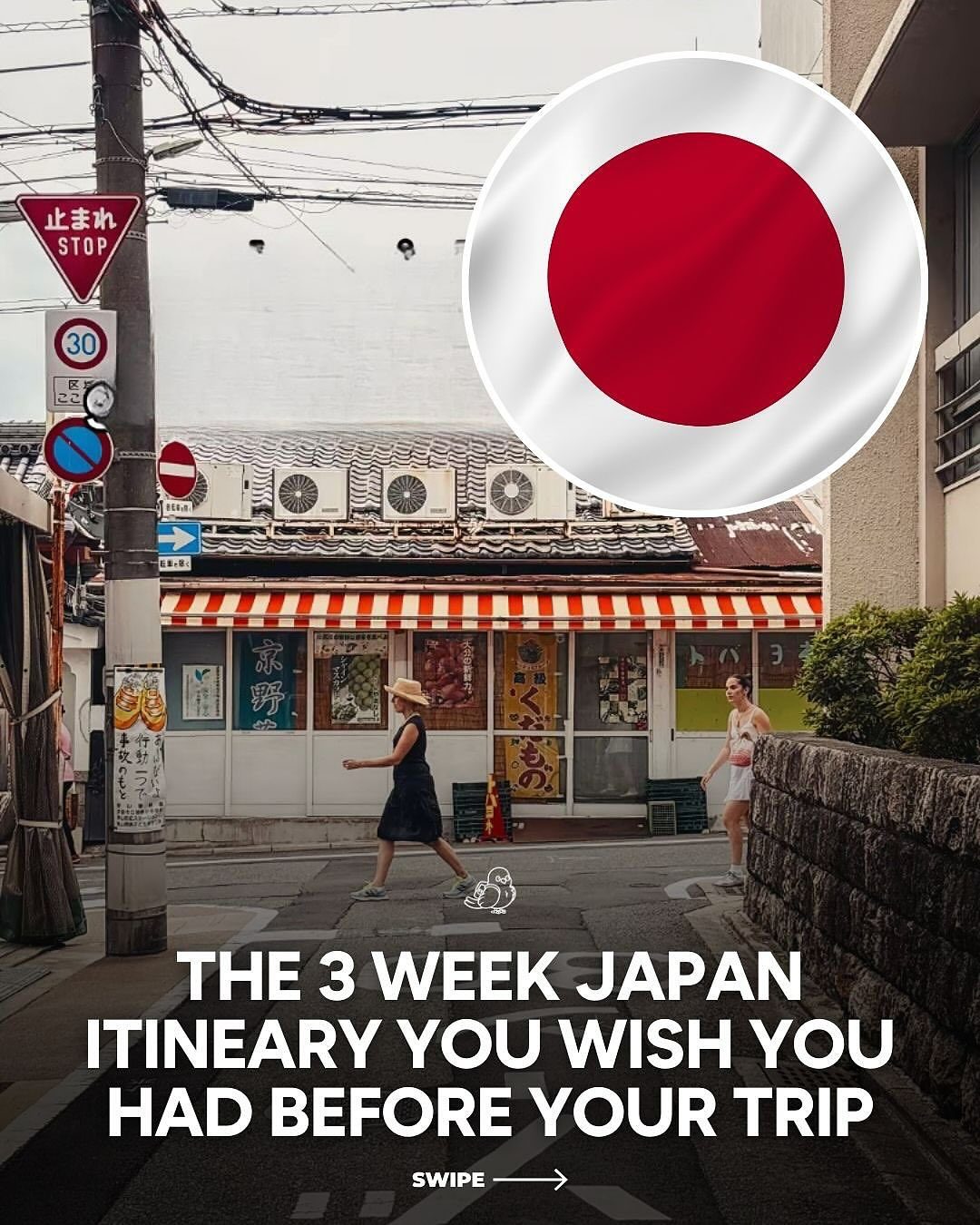
Planning a 3-Week Trip to Japan
Japan, a land of contrasts, offers a rich tapestry of experiences that blend ancient traditions with modern innovations. A 3-week itinerary provides ample time to explore the country's diverse regions, from bustling cities to serene countryside. Here’s a comprehensive guide to help you make the most of your three-week adventure in Japan.
Why This Matters
Japan is a top travel destination for good reason. Its unique blend of traditional culture and cutting-edge technology offers a journey that's both exciting and deeply meaningful. With a well-planned itinerary, you can experience the best of Japan, from the neon lights of Tokyo to the tranquil temples of Kyoto.
Main Discussion
Kyoto: The Cultural Heart
A Must-Visit Destination
Kyoto, the former imperial capital of Japan, is a treasure trove of temples, shrines, and gardens. Start your journey in Kyoto, where you can immerse yourself in the country's rich history and culture.
Top Attractions
- Fushimi Inari Shrine: Known for its thousands of torii gates, this Shinto shrine is a must-visit. The hike up the mountain offers stunning views and a serene atmosphere.
- Kinkaku-ji (Golden Pavilion): This iconic Zen temple, covered in gold leaf, is a sight to behold. The surrounding gardens are equally stunning, making it a perfect spot for photography.
- Arashiyama Bamboo Grove: Take a leisurely stroll through this enchanting grove. The towering bamboo stalks create a tranquil and mystical atmosphere.
Countryside Road Trip
The Magic of the Japanese Countryside
A 3-4 day countryside road trip is a popular choice among travelers, and for good reason. The rural areas of Japan offer a glimpse into the country's natural beauty and traditional way of life. Drive through scenic routes, and you’ll discover hidden gems that are far from tourist crowds.
Highlights
- Rural Villages: Explore small villages where time seems to stand still. Interact with locals, sample traditional cuisine, and experience the simplicity of rural life.
- Natural Wonders: Visit hot springs (onsen), breathtaking waterfalls, and serene lakes. The Japanese countryside is a haven for nature lovers.
- Local Cuisine: Indulge in regional specialties like Hida beef in Takayama or fresh seafood in the coastal towns.
Osaka: The Foodie's Paradise
Osaka is Japan's third-largest city and a food lover's dream. Known as the "kitchen of Japan," it's a place where you can eat your heart out.
Must-Visit Areas
- Dotonbori: This vibrant district is a foodie's paradise. Try local specialties like takoyaki (octopus balls) and okonomiyaki (savory pancake).
- Kaiyukan Aquarium: One of the world's largest aquariums, it's a great place to spend a few hours, especially if you're traveling with kids.
Hidden Gems
One of the most rewarding aspects of traveling in Japan is discovering hidden gems that are off the beaten path. These spots offer a unique and often unforgettable experience.
Tips for Finding Hidden Gems
- Local Recommendations: Ask locals for their favorite spots. They often know the best-kept secrets.
- Explore on Foot: Sometimes, the best discoveries come from wandering off the main paths. Take a detour and see where it leads you.
Tokyo: The Metropolis
Tokyo is a city of contrasts, where ancient temples stand alongside towering skyscrapers. It's a place of vibrant energy, and no trip to Japan would be complete without spending time in this dynamic city.
Must-See Spots
- Shibuya Crossing: The world's busiest pedestrian crossing is a must-see. The sheer number of people and the organized chaos are a sight to behold.
- Harajuku: Known for its unique fashion scene, Harajuku is a great place to explore youth culture and quirky street fashion.
- Senso-ji Temple: Located in the Asakusa district, this is Tokyo's oldest temple. The surrounding Nakamise Shopping Street is perfect for traditional souvenirs.
Practical Tips
Getting Around
Japan has an efficient and extensive public transportation system, making it easy to get around. Consider purchasing a Japan Rail (JR) Pass, which offers unlimited travel on JR trains, buses, and ferries for a set period. This can save you a significant amount of money, especially for long-distance travel.
Accommodation
Japan offers a variety of accommodation options, from traditional ryokans to modern hotels and budget-friendly hostels. If you're looking for a unique experience, consider staying in a ryokan, where you can sleep on futons and enjoy traditional Japanese meals.
Language
While many younger people and those working in the tourism industry speak English, it's a good idea to learn a few basic Japanese phrases. This can make your trip smoother and more enjoyable, and locals will appreciate your effort.
Important Takeaways
- Plan Ahead: Japan is a popular destination, and some attractions can get very busy. Plan your visits in advance and book tickets online if possible.
- Be Flexible: While having a plan is important, be open to spontaneous adventures. Some of the best experiences come from unexpected discoveries.
- Respect Local Customs: Japan has a rich cultural heritage, and respecting local customs is essential. For example, take off your shoes before entering homes and traditional restaurants, and be mindful of table manners.
Conclusion
A 3-week trip to Japan offers a wealth of experiences, from the cultural richness of Kyoto to the culinary delights of Osaka and the vibrant energy of Tokyo. By exploring both popular destinations and hidden gems, you can gain a deeper understanding of this fascinating country. Whether you're a first-time visitor or a seasoned traveler, Japan has something to offer everyone. So, pack your bags, grab your camera, and get ready for an unforgettable adventure.
Questions readers ask
What are some must-see attractions in Kyoto for a 3-week Japan itinerary?
Kyoto is renowned for its numerous temples and gardens. Highlights include the Golden Pavilion (Kinkaku-ji), Fushimi Inari Shrine with its iconic torii gates, and the serene Arashiyama Bamboo Grove. Additionally, the historic Gion district offers a chance to experience traditional tea ceremonies and perhaps spot a geisha.
How can I experience rural life in Japan during a 3-week trip?
To experience rural Japan, consider visiting places like Shirakawa-go, known for its traditional gassho-zukuri farmhouses, or Takayama, a well-preserved Edo-period town. These areas offer insights into rural life, including traditional crafts, local festivals, and the chance to stay in a traditional Japanese inn (ryokan).
What are some unique cultural experiences to include in a 3-week Japan itinerary?
Japan offers a wealth of unique cultural experiences. Try a traditional tea ceremony in Kyoto, participate in a sake brewing tour in Hiroshima, or attend a sumo wrestling tournament in Tokyo. For a deeper dive, consider trying on a kimono, learning calligraphy, or visiting a local onsen (hot spring) for a relaxing soak.
Is three weeks enough time to explore Japan's diverse regions?
Three weeks provides a substantial amount of time to explore Japan's diverse regions. You can visit major cities like Tokyo and Osaka, explore cultural hubs like Kyoto and Nara, and venture into the countryside. This itinerary allows for a balanced mix of urban exploration and rural experiences, ensuring you get a comprehensive taste of what Japan has to offer.
What are some tips for planning a 3-week Japan itinerary?
Start by outlining your must-see destinations and then allocate time accordingly. Use Japan's efficient public transportation system, including the Japan Rail (JR) Pass, to move between cities. Consider the seasons, as they can greatly influence your experience, particularly in places like Kyoto, where cherry blossom season is a major draw. Also, be sure to balance your itinerary with both planned activities and spontaneous exploration.
Are there any specific festivals or events to include in a 3-week Japan itinerary?
Japan is famous for its festivals, and timing your visit to coincide with one can enrich your experience. The Gion Matsuri in Kyoto (July) features grand processions and street food stalls, while the Sapporo Snow Festival (February) showcases stunning ice sculptures. The Nebuta Matsuri in Aomori (August) offers a vibrant parade of illuminated floats. Research the festival dates and plan accordingly.
Related deep dives
Similar reads based on topic and creator.




Recent articles
Fresh deep dives from the latest Reels we unpacked.



Comments
Be the first to comment.