Iron Extraction from Sand
Black sand is a type of sand that is rich in iron and other heavy metals. It is typically found in beaches and deserts, often appearing as dark or black particles mixed with regular sand. This article delves into the historical and contemporary aspects of iron extraction from black sand, focusing on the methods used, the environmental implications, and the fascinating properties of this unique material.
Context / Why this matters
Black sand, often referred to as magnetite or iron sand, has long been a subject of interest due to its high iron content, which can go up to 72.4%. Historically, this process was a simple and lucrative side hustle. However, the extraction process has evolved significantly, leading to both technological advancements and environmental concerns. Understanding the methods and environmental impact of extracting iron from black sand is crucial for anyone interested in mineral extraction, environmental conservation, or the use of metal detectors.
Main discussion
Historical Extraction Methods
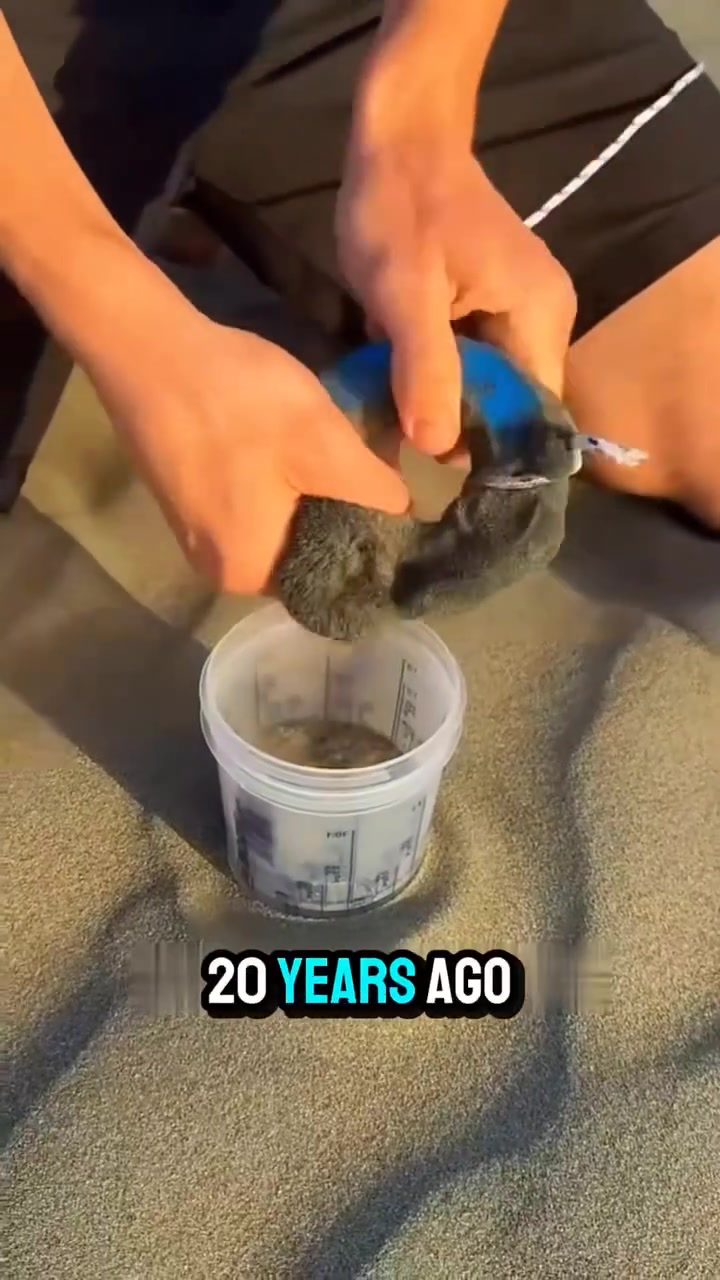
For decades, people used simple and effective methods to extract iron from black sand. One of the most straightforward methods involved using a strong magnet to pull out the black particles from the sand. These particles, when heated with a blowtorch, turned into molten iron, demonstrating the presence of a high iron content. This simple technique was popular in various regions, including beaches and deserts.
Modern Extraction and Environmental Impact
Large-Scale Dredging
Years ago, people along the Yellow River collected iron sand by hand. However, over time, large-scale dredging operations began to strip riverbeds for profit. These operations, while efficient, caused significant environmental damage. The extensive dredging led to erosion, habitat destruction, and water pollution, which severely impacted the local ecosystems and communities.
Legal Regulations
To mitigate the environmental damage, China implemented strict regulations in 2008. The extraction of iron sand was made illegal, recognizing the severe impact of large-scale operations on the environment. This move aimed to protect riverbeds and limit the environmental damage caused by large-scale dredging.
Creative Applications
Magnetic Non-Newtonian Fluids
One of the intriguing aspects of iron sand is its potential to create unique substances. By mixing iron sand with liquid glue, you can create a magnetic non-Newtonian fluid. This fluid exhibits fascinating properties, such as slowly crawling toward a magnet due to its magnetic nature.
Practical Tips
Product considerations
Metal detectors can be used to locate iron-rich materials, making them valuable tools for anyone interested in extracting iron sand. When using a metal detector, ensure that you have the right equipment and follow local regulations to avoid legal issues. It’s important to use metal detectors in compliance with any environmental laws and to avoid damaging natural habitats.
Useful hints
How to Use a Metal Detector
Choose a metal detector designed for mineral exploration. Once you have the right device, use it to search for black sand in sandy environments. Be aware of the environment and avoid areas where extraction is illegal.
Understanding the Process
Understanding the extraction process is crucial. Heating the sand with a blowtorch can reveal the iron content, but it's essential to be cautious. Mixing iron sand with liquid glue to create a magnetic non-Newtonian fluid can be both fun and educational, but always prioritize safety and legality.
Important takeaways
Iron extraction from black sand involves using a strong magnet to pull out magnetite or iron sand and heating it with a blowtorch. This technique was once a lucrative side hustle, but large-scale dredging operations led to environmental damage, prompting China to make it illegal. While the process is fascinating, it is essential to understand the legal and environmental implications.
Conclusion
Extracting iron from black sand is a process rich in history and intrigue. From the simple methods of the past to the complex regulations of today, the journey of iron sand extraction highlights the balance between technological innovation and environmental stewardship. Whether you're a hobbyist or a professional, understanding the methods, applications, and regulations surrounding iron sand extraction ensures a respectful and informed approach to this fascinating material.
Questions readers ask
What is black sand and why is it targeted for iron extraction?
Black sand is a type of sand rich in iron and other heavy metals, often appearing dark or black. It is targeted for iron extraction due to its high iron content, which can be as high as 72.4%. This makes it a valuable resource for industries requiring iron.
How has the process of iron extraction from black sand evolved over time?
Historically, iron extraction from black sand was a simple and often small-scale operation, sometimes even a side hustle for locals. Over time, it has evolved into large-scale industrial operations, driven by advancements in technology and increased demand for iron.
What are the main methods used for extracting iron from black sand?
The primary methods for extracting iron from black sand involve using magnets to separate the iron-rich particles from other minerals. This is due to the magnetic properties of magnetite, the primary iron-bearing mineral in black sand. After separation, further processing steps like smelting may be required to purify the iron.
What are the environmental impacts of large-scale iron extraction from beach sand?
Large-scale iron extraction from beach sand can have significant environmental consequences. These include habitat destruction, changes in coastal ecosystems, and potential pollution from processing activities. The removal of sand can also lead to coastal erosion and loss of biodiversity.
Is iron extraction from black sand still a viable side hustle for individuals?
While it may still be possible for individuals to extract small amounts of iron from black sand, the scale and profitability have significantly changed. Large-scale operations have made it difficult for small-scale extractors to compete, and regulations may also limit such activities.
Why is beach sand magnetism an important factor in iron extraction?
Beach sand magnetism is crucial in iron extraction because it allows for the efficient separation of iron-rich particles from other minerals. The magnetic properties of magnetite, the primary iron-bearing mineral in black sand, enable the use of magnets in the extraction process, making it a key factor in the industry.
What are the historical uses of iron-rich black sand?
Historically, iron-rich black sand has been used for various purposes. It was often collected by individuals for small-scale iron extraction, sometimes as a side hustle. The magnetism of the black sand also made it a subject of interest for early scientific explorations, leading to a better understanding of minerals and their magnetic properties.
Related deep dives
Similar reads based on topic and creator.


Recent articles
Fresh deep dives from the latest Reels we unpacked.




Comments
Be the first to comment.