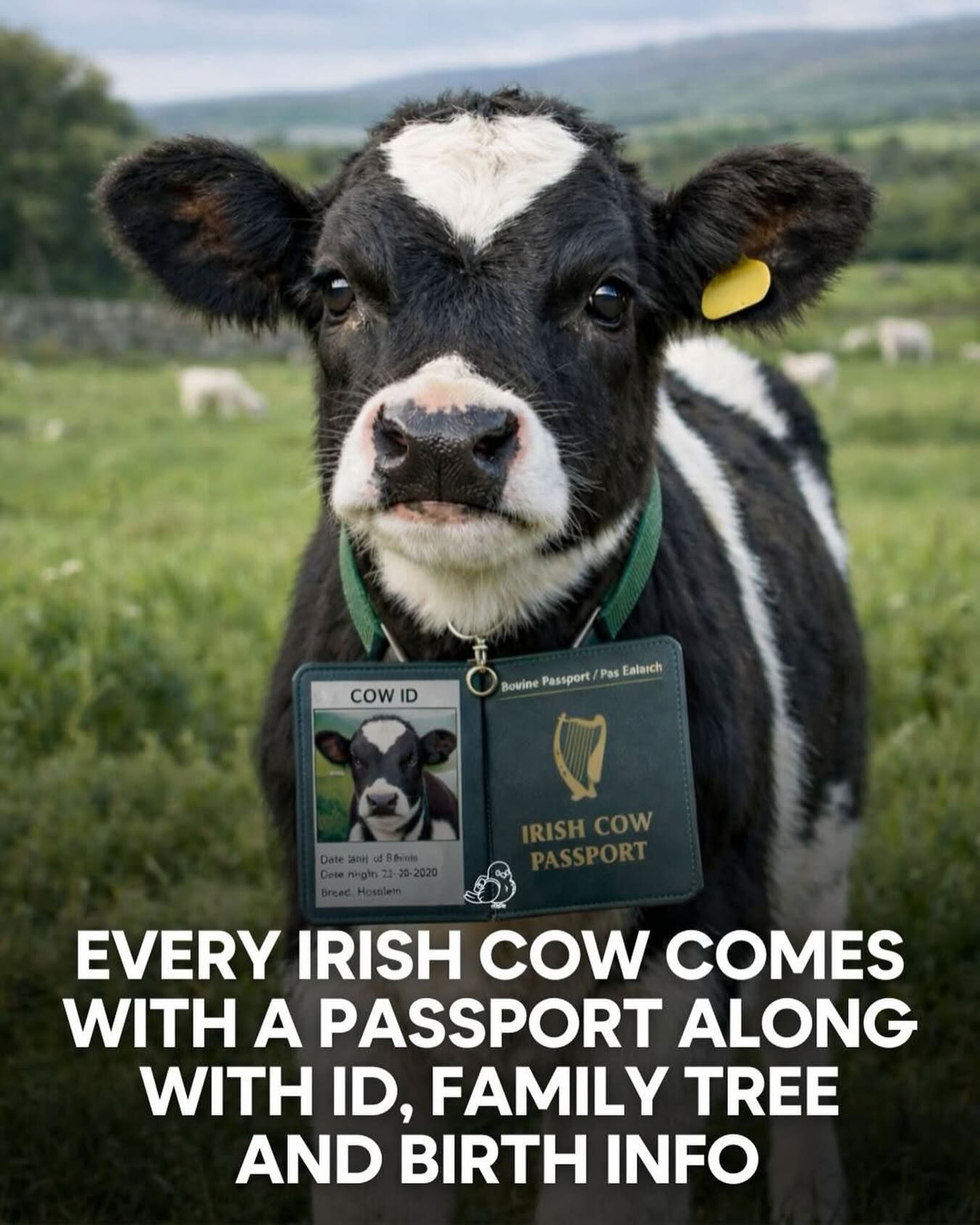
Irish Cow Passports: A Comprehensive Look into Ireland's Unique Animal Traceability System
Ireland's approach to managing its cattle population is both meticulous and innovative. Every cow in Ireland is issued an official passport, a document that is far from symbolic. This passport is a key component of Ireland's animal traceability system, designed to ensure food safety, animal welfare, and effective disease control.
Why This Matters
Ireland's bovine passport system is a cornerstone of its agricultural industry. The meticulous tracking of each cow ensures that the country can maintain high standards of food safety and animal welfare. This system is crucial not only for the domestic market but also for exporting Irish beef and dairy products to international markets, where traceability and safety standards are paramount. The passport ensures that every cow's life journey is fully documented, from birth to eventual export or slaughter.
Main Discussion
The Birth of an Irish Cow
Shortly after birth, each calf in Ireland receives a unique ID number, ear tags, and a passport-style document. This document, often referred to as a "Bovine Passport," contains essential information about the animal, including its date of birth, breed, herd of origin, and ownership details. The passport is issued under the label "Bovine Passport / Pas Ealaich," ensuring clear identification in both English and Irish.
The passport is not just a static document; it is updated regularly. Whenever the animal is moved, sold, or exported, the passport is updated to reflect these changes. This continuous updating ensures that the information remains current and accurate, providing a comprehensive record of the cow's life.
The Information Contained in the Passport
The Irish cow passport includes several critical pieces of information:
- Unique ID Number: Each cow is assigned a unique ID number that serves as its lifelong identifier.
- Date of Birth: The exact date of birth is recorded, which is crucial for veterinary and breeding purposes.
- Breed: The breed of the cow is noted, which is important for pedigree records and breeding programs.
- Herd of Origin: The herd from which the cow comes is recorded, providing a traceable lineage.
- Ownership Details: The passport includes information about the current owner, ensuring that ownership changes are clearly documented.
The Importance of Animal Traceability
Animal traceability is a critical aspect of modern agriculture. It ensures that in the event of a disease outbreak or food safety issue, the source can be quickly identified and contained. Ireland's system is particularly effective because it integrates multiple data points, including the Bovine Passport and separate breeding records. This dual-track system ensures that detailed pedigrees are kept separate from the passport, which focuses on the animal’s life journey.
Regulatory Framework
Ireland’s strict animal traceability laws are designed to protect food safety, animal welfare, and disease control. The passport system is part of a broader regulatory framework that includes regular inspections, vaccinations, and health checks. These regulations ensure that the cattle industry operates with the highest standards of safety and welfare.
Practical Tips
While the Irish cow passport system is specific to Ireland, there are practical tips that can be applied to other agricultural practices:
- Detailed Record Keeping: Maintain detailed records of each animal's life, including health checks, vaccinations, and ownership changes.
- Regular Updates: Ensure that all records are updated regularly to reflect any changes in the animal's status or ownership.
- Use of Technology: Consider using technology, such as ear tags with RFID chips, to track animals more efficiently.
- Traceability: Implement a robust traceability system that can quickly identify and contain any issues related to food safety or animal health.
Important Takeaways
The Irish cow passport system is a model of effective animal management and traceability. By issuing each cow a unique passport that records essential information, Ireland ensures high standards of food safety, animal welfare, and disease control. This system not only benefits the domestic market but also enhances Ireland's reputation in international markets, where traceability and safety are paramount.
Conclusion
The Irish cow passport system is a testament to Ireland's commitment to agricultural excellence. By providing each cow with a comprehensive document that follows it for life, Ireland ensures that its cattle industry operates with the highest standards of safety and welfare. This system is a model for other countries to follow, demonstrating the importance of meticulous record-keeping and effective traceability in modern agriculture.
Questions readers ask
What is the Irish cow passport and why is it important?
The Irish cow passport is an official document issued to each cow in Ireland, serving as a comprehensive record of the animal's life journey. It is crucial for maintaining high standards of food safety, animal welfare, and effective disease control. This system helps both domestic and international markets trust in Ireland's cattle products.
How does the Irish cattle traceability system work?
Ireland's cattle traceability system revolves around the issuance of passports to every cow, which records key information about the animal throughout its life. This documentation includes birth details, movement records, and health information. The system ensures that every cow's journey can be tracked, enhancing overall transparency and safety in the industry.
What information is included in an Irish cow's passport?
An Irish cow's passport contains vital information such as the cow's unique identification number, birthdate, breed and farm of origin. Additionally, it records movements between farms, sales, and any health treatments or vaccinations the cow receives. This detailed documentation is essential for monitoring the cow's health and whereabouts throughout its life.
Why is the Irish cattle ID system beneficial for international markets?
The Irish cattle ID system provides a reliable and transparent way to track the origins and movements of cattle, which is highly valued by international markets. This transparency helps build trust with import partners, assuring them that Irish beef and dairy products meet stringent standards of safety and quality.
What happens if an Irish cow's passport is lost or damaged?
In cases where an Irish cow's passport is lost or damaged, it is essential to contact the relevant authorities as soon as possible. The Department of Agriculture, Food, and the Marine (DAFM) will issue a replacement or a duplicate to maintain the continuity of the animal's records, ensuring no gaps in the traceability system.
How does the Irish cow passport system contribute to disease control?
The Irish cow passport system helps in disease control by providing a detailed record of each cow's movements and health history. This allows for quick identification and containment of potential disease outbreaks. By tracking the movements of cattle, the system helps prevent the spread of diseases, protecting both the Irish herd and the wider agricultural industry.
Recent articles
Fresh deep dives from the latest Reels we unpacked.




Comments
Be the first to comment.