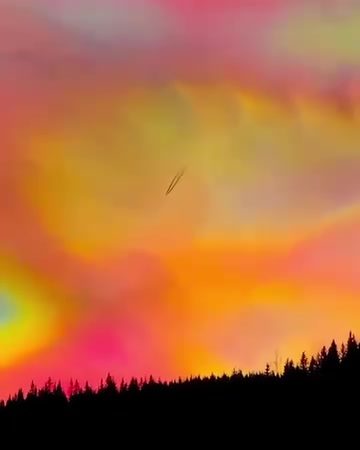
Cloud Iridescence in Norway: A Stunning Display of Pastel Colors
Cloud iridescence, a captivating atmospheric phenomenon, transforms the sky into a canvas of soft, pastel hues. This optical effect occurs when sunlight passes through tiny ice crystals or water droplets in thin clouds, creating a mesmerizing display of colors. In Norway, this natural spectacle unfolds with particular beauty, thanks to the country's unique geography and weather conditions.
Iridescent clouds are a sight to behold, and Norway provides an ideal backdrop for this phenomenon. The country's high latitude and frequent cloud cover create optimal conditions for iridescence to occur. When sunlight interacts with the tiny ice crystals in the clouds, it is diffracted, or split into its component colors, resulting in a stunning display of pastels.
Context: The Science Behind Cloud Iridescence
Cloud iridescence is a relatively rare and fleeting phenomenon, making it all the more special when witnessed. The optical effect is caused by the diffraction of light as it passes through the tiny ice crystals or water droplets in thin clouds. When sunlight encounters these small particles, it is bent and spread out, creating a spectrum of colors that can vary from subtle pastels to vibrant hues.
The Role of Ice Crystals
Iridescence in clouds is often associated with cirrostratus or cirrus clouds, which are composed of ice crystals. These high-altitude clouds are thin and wispy, allowing sunlight to pass through and interact with the ice crystals. The size and shape of the ice crystals play a crucial role in determining the colors and intensity of the iridescence. Smaller crystals tend to produce more vibrant and distinct colors, while larger ones may result in a more muted and diffuse display.
Atmospheric Conditions
The atmospheric conditions in Norway, characterized by frequent cloud cover and high humidity, contribute to the formation of these iridescent displays. The country's location at high latitudes also means that sunlight often strikes the clouds at a low angle, enhancing the diffraction effect and creating a more pronounced color display.
Geographical Factors
Norway's diverse landscape, featuring mountains, fjords, and expansive landscapes, further enhances the visual impact of cloud iridescence. The contrast between the vibrant sky and the rugged terrain creates a striking and memorable scene. The mountain ranges, in particular, provide a dramatic backdrop, while the silhouettes of trees and other natural features add depth and dimension to the composition.
Main Discussion
The Colors of the Sky
The colors produced by cloud iridescence in Norway can vary widely, often shifting from soft pastels to more vivid hues. Common colors include pink, yellow, orange, and purple, which create a harmonious and visually appealing palette. The interplay of these colors against the backdrop of the Norwegian landscape results in a mesmerizing and ever-changing display.
The Best Times to View
Iridescent clouds are more likely to be visible during the early morning or late afternoon, when the sun is at a lower angle in the sky. This angle of light increases the likelihood of diffraction, making the colors more pronounced. However, the phenomenon can occur at any time of day, especially in regions like Norway where the weather conditions and geography are conducive to its formation.
Capturing the Moment
Photographing cloud iridescence can be challenging due to its transient nature and the need for precise timing. However, with the right equipment and techniques, it is possible to capture the beauty of this natural spectacle. A wide-angle lens is ideal for capturing the expansive sky, while a good polarizing filter can help enhance the colors and reduce glare. Additionally, using a tripod ensures stability and allows for longer exposure times, capturing more detail in the clouds.
Practical Tips
Choosing the Right Location
To maximize your chances of witnessing and capturing cloud iridescence, choose a location with an unobstructed view of the sky. Open fields, mountaintops, or coastal areas are excellent choices. In Norway, popular spots include the Lofoten Islands, known for their stunning landscapes and frequent cloud formations, and the fjords, which offer a dramatic backdrop for the iridescent display.
Using the Right Equipment
A good camera and lens are essential for capturing the details and colors of cloud iridescence. A wide-angle lens is particularly useful for capturing the expansive sky, while a polarizing filter can enhance the colors and reduce glare. Additionally, a tripod is essential for stability and longer exposure times, which can help capture more detail in the clouds.
Timing and Composition
Timing is crucial when it comes to photographing cloud iridescence. The best times to capture this phenomenon are during the early morning or late afternoon, when the sun is at a lower angle in the sky. This angle of light increases the likelihood of diffraction, making the colors more pronounced. Additionally, composing your shot with natural features like mountains, trees, or water can add depth and contrast, making the scene more visually appealing.
Important Takeaways
Unpredictability
Iridescent clouds are a fleeting and unpredictable phenomenon, which adds to their allure. Understanding the conditions and locations that favor their formation can increase your chances of witnessing this spectacle, but there is always an element of serendipity involved.
Timing and Timing
Timing is crucial for both viewing and capturing cloud iridescence. The best times to observe and photograph these clouds are during the early morning or late afternoon. The lower angle of the sun during these times enhances the diffraction effect, resulting in more vibrant and pronounced colors.
Use of the Right Equipment and Techniques
Using the right equipment and techniques is essential for capturing the beauty of cloud iridescence. A wide-angle lens, polarizing filter, and tripod are valuable tools for enhancing the colors and capturing the intricate details of the clouds.
Conclusion
Cloud iridescence in Norway is a breathtaking natural phenomenon that showcases the beauty and wonder of our planet. This captivating display of pastel colors is the result of sunlight interacting with tiny ice crystals in thin clouds, creating a mesmerizing and ever-changing scene. Whether you're a nature enthusiast or a photography enthusiast, witnessing and capturing this phenomenon is an experience that will leave a lasting impression. By understanding the science behind iridescence, choosing the right location, and using the appropriate equipment and techniques, you can enhance your chances of witnessing and capturing this stunning display.
Questions readers ask
What causes the iridescent effect in Norway's clouds?
The iridescent effect in Norway's clouds is caused by sunlight diffracting as it passes through tiny ice crystals or water droplets in thin clouds. This process splits the light into its component colors, creating a mesmerizing display of pastel hues.
Why is Norway an ideal location for viewing iridescent clouds?
Norway's high latitude and frequent cloud cover provide optimal conditions for iridescence. The unique geography and weather conditions in Norway make it a prime spot for this stunning atmospheric phenomenon.
When is the best time to see iridescent clouds in Norway?
Iridescent clouds can be seen in Norway at various times, but they are often best observed during the spring and autumn months, when the sunlight is at an optimal angle and the weather conditions are ideal for cloud formation.
What type of clouds are most likely to produce iridescence?
Iridescence is most commonly observed in thin, high-altitude clouds, such as cirrostratus or cirrocumulus clouds. These clouds contain tiny ice crystals or water droplets that can diffract sunlight, creating the iridescent effect.
Can iridescent clouds be seen from anywhere in Norway?
While iridescent clouds can potentially be seen from many parts of Norway, the best viewing opportunities are often in areas with clear horizons and minimal light pollution, such as the fjords, mountains, or remote coastal regions.
Is it possible to predict when iridescent clouds will appear?
Predicting the exact appearance of iridescent clouds can be challenging due to the specific weather and atmospheric conditions required. However, keeping an eye on weather forecasts for clear skies and high cloud cover can increase the chances of witnessing this natural light show.
What is the best way to capture photos of iridescent clouds in Norway?
To capture photos of iridescent clouds, use a camera with a wide-angle lens and adjust the settings for bright conditions. A tripod can help stabilize the shot, and focusing on the horizon and clouds can enhance the visual impact of the display.
Related deep dives
Similar reads based on topic and creator.




Recent articles
Fresh deep dives from the latest Reels we unpacked.




Comments
Be the first to comment.