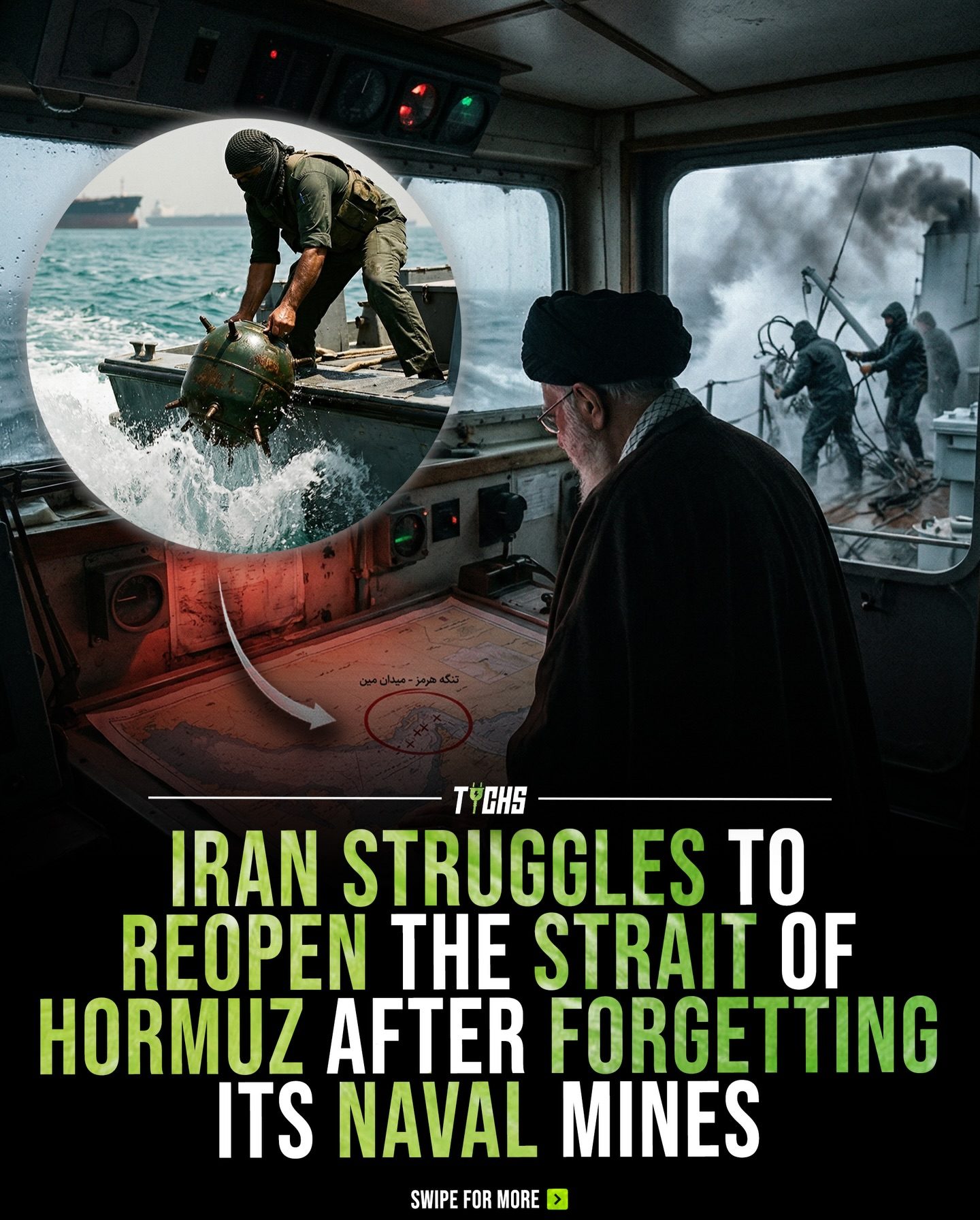
Strait of Hormuz Naval Mines: A Critical Disruption to Global Shipping
The Strait of Hormuz, a narrow but crucial waterway, has become a focal point of international concern after Iran's deployment of naval mines. This strategic maneuver, initially intended to block global shipping, has backfired, turning the strait into a dangerous zone for passing vessels. The inability to locate all the mines has created significant challenges, delaying the reopening of this vital route.
Context / Why this matters
The Strait of Hormuz is one of the world's most important maritime chokepoints. It connects the Persian Gulf to the Gulf of Oman and the Arabian Sea, serving as a critical pathway for global oil and gas shipments. Approximately 21 million barrels of oil pass through the strait daily, comprising roughly 30% of the world's seaborne-traded oil. Any disruption in this route can have far-reaching implications for global energy markets, trade, and geopolitical stability.
The Situation in the Strait of Hormuz
Iran's Naval Mines Deployment
Iran's deployment of naval mines in the Strait of Hormuz was a calculated move aimed at exerting control over the waterway and potentially disrupting the shipping routes of its adversaries. However, this strategic move has proven to be more problematic than anticipated. Reports indicate that Iran is struggling to locate all the mines it deployed, making navigation through the strait unsafe and delaying its full reopening.
Challenges in Mine Clearance
The difficulty in locating the mines stems from several factors. Firstly, modern naval mines are designed to be clandestine, making them hard to detect. Secondly, the strait's complex underwater topography and strong currents further complicate the mine-clearing efforts. The combination of these factors has turned the strait into a risk zone, posing significant threats to vessels passing through the area.
Global Implications
The disruption in the Strait of Hormuz has global repercussions. The delay in reopening the strait has led to increased shipping costs, altered trade routes, and heightened tensions in the region. Countries dependent on oil and gas supplies from the Persian Gulf are particularly affected, as they face the prospect of extended supply disruptions and price volatility.
Difficulties in Managing the Crisis
The Iranian government faces a daunting task in managing this crisis. The inability to locate all the mines has not only delayed the reopening of the strait but also raised concerns about the safety of the shipping lanes. Iran is now under pressure to resolve this issue swiftly to restore confidence in the maritime trade routes.
International Response
The international community, including major oil-trading nations, has expressed concern over the situation. Efforts are being made to coordinate a multinational response to the crisis, with some countries offering support in mine-clearing operations. The United Nations and other international organizations are also involved in diplomatic efforts to resolve the dispute and ensure the safe reopening of the strait.
Practical Tips for Navigating the Crisis
For nations relying on the Strait of Hormuz for their energy supplies, the situation demands careful navigation. Here are some practical tips to manage the crisis:
Re-route Alternatives
Consider alternative shipping routes, such as the Suez Canal or the Cape of Good Hope, as temporary solutions to bypass the Strait of Hormuz. Although these routes may be longer and more costly, they can ensure a steady supply of energy during this period of uncertainty.
Strengthen Maritime Security
Enhance maritime security measures, including increased naval patrols and surveillance, to protect vessels passing through the alternative routes. Collaboration with other nations in maritime security efforts can help mitigate the risks associated with the disrupted strait.
Diversify Energy Sources
Explore additional energy sources and consider diversifying supply chains. This can help reduce dependency on oil and gas from the Persian Gulf, providing a buffer against potential future disruptions.
Important Takeaways
The situation in the Strait of Hormuz underscores the complexities and vulnerabilities of the global energy supply chain. It highlights the need for nations to have robust contingency plans in place and to work together to ensure the stability of critical maritime routes.
Collaboration Is Key
International collaboration is essential in addressing the challenges posed by the deployment of naval mines in the Strait of Hormuz. Efforts to share information, resources, and expertise can help in mitigating the impact of the crisis and ensuring the safe reopening of the strait.
Preparedness for Future Crises
The current situation serves as a reminder of the importance of preparedness for future crises. Nations should invest in technologies and strategies that can help manage and mitigate the impact of disruptions in critical maritime routes. This includes advancing mine-clearing technologies, enhancing maritime surveillance, and diversifying energy sources.
Balancing Strategic Moves
Strategic decisions, such as the deployment of naval mines, must be carefully considered to avoid unintended consequences. The situation in the Strait of Hormuz demonstrates how a tactical maneuver can quickly escalate into a broader crisis, affecting global trade and stability.
Conclusion
The deployment of naval mines in the Strait of Hormuz by Iran has created a significant disruption to global shipping, turning the strait into a dangerous zone. The inability to locate all the mines has delayed the reopening of the strait, affecting global energy markets, trade, and geopolitical stability. As the international community works to address this crisis, it is crucial to emphasize the importance of collaboration, preparedness, and strategic planning to mitigate the impact of future disruptions.
Questions readers ask
Why is the Strait of Hormuz so important for global shipping?
The Strait of Hormuz is a critical maritime chokepoint that connects the Persian Gulf to the Gulf of Oman and the Arabian Sea. It serves as a key route for global oil and gas shipments, with approximately 21 million barrels of oil passing through daily. Its significance makes any disruption to this route of great global concern.
How do Iran's naval mines impact the Strait of Hormuz?
Iran's deployment of naval mines in the Strait of Hormuz has created a hazardous environment for ships. The mines pose a significant risk to vessels, complicating efforts to restore safe passage and delaying the reopening of this vital shipping route.
What challenges are faced in clearing the naval mines from the Strait of Hormuz?
Clearing the naval mines from the Strait of Hormuz is a complex task due to the vast area that needs to be searched and the difficulty in locating all the mines. The inability to swiftly clear the mines has created significant delays in reopening the strait to safe shipping.
What is the impact of the delayed reopening on global oil supplies?
The delay in reopening the Strait of Hormuz disrupts the daily flow of approximately 21 million barrels of oil. This disruption can lead to increased oil prices, supply shortages, and economic instability in countries that rely on this crucial energy source.
What technology is used to clear naval mines?
Naval mine clearance technology includes methods such as minehunting ships, mine countermeasures, and remotely operated vehicles. These tools help locate and neutralize mines, although the process can be time-consuming and dangerous, especially in a congested waterway like the Strait of Hormuz.
How does Iran's naval strategy in the Strait of Hormuz affect global shipping?
Iran's naval strategy of deploying mines in the Strait of Hormuz initially aimed to block global shipping, but it has resulted in a dangerous obstacle for vessels. This action has led to significant disruptions in global shipping routes, highlighting the vulnerability of maritime chokepoints to geopolitical tensions.
What measures can be taken to ensure the safety of the Strait of Hormuz shipping route?
Ensuring the safety of the Strait of Hormuz involves coordinated efforts from international maritime authorities, naval forces, and technological advancements in mine detection and clearance. Collaborative agreements and regular monitoring can help mitigate risks and maintain the safety and security of this crucial maritime route.
Recent articles
Fresh deep dives from the latest Reels we unpacked.




Comments
Be the first to comment.