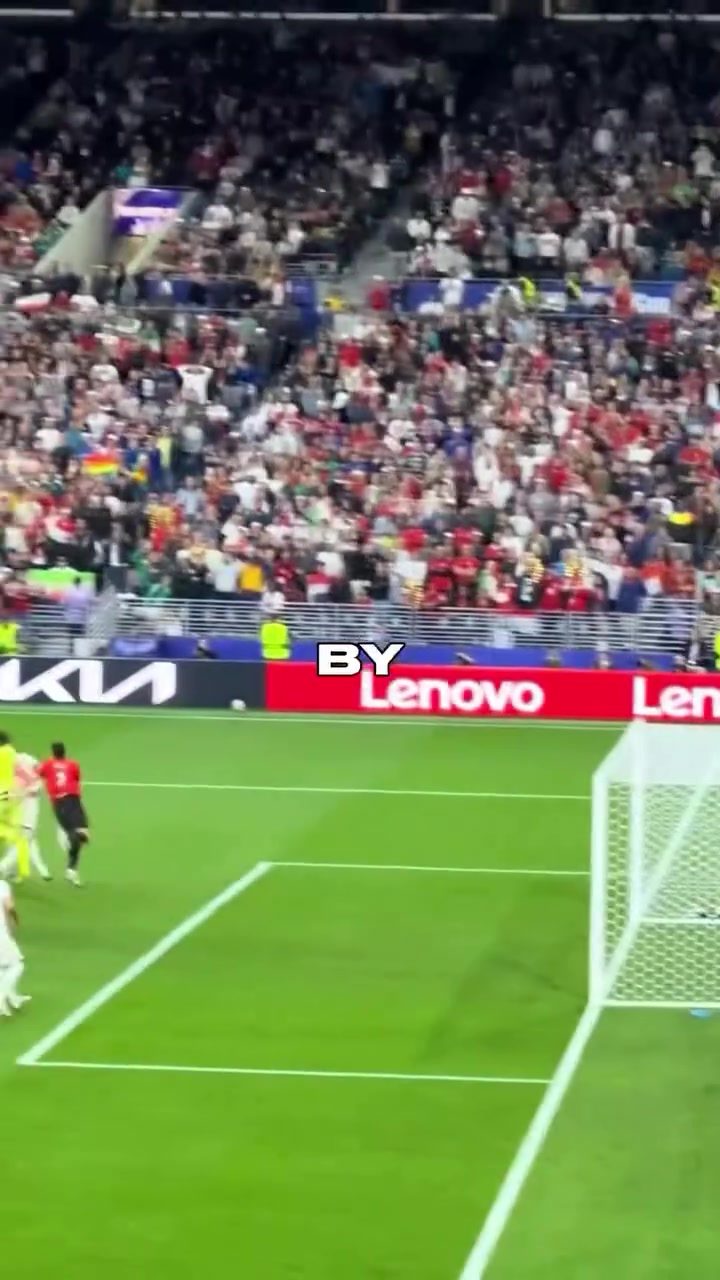
The Disallowed Goal: Sports, Politics, and the Iran Football Team
The Iranian national football team faced a disallowed last-minute goal during a match, sparking intense debate about the intersection of sports and politics. This incident, reviewed through an extensive Video Assistant Referee (VAR) process, highlights the broader issues of FIFA's decision-making and the logistical challenges faced by teams.
Context / Why this matters
Sports competitions, particularly those at the highest levels, often become platforms for political narratives and power struggles. FIFA, the governing body of international football, has a history filled with controversy and allegations of corruption. The disallowed goal in question was a perfect example of how these political elements can intrude on the sport, affecting both the game's outcome and the team's morale.
The Iranian team was already facing a host of logistical challenges, including playing their matches in the U.S. while being forced to travel back and forth to Mexico for rest due to visa issues. This complex situation added another layer of difficulty to their already challenging tournament.
The Disallowed Goal and Its Implications
The disallowed goal occurred in the final minutes of the match, a crucial moment that could have changed the outcome. The VAR review process, which took nearly five minutes, became a point of contention among fans and analysts. The decision-making process was criticized for being influenced by political considerations rather than objective sportsmanship. Some viewers and analysts argued that the VAR review was influenced by broader geopolitical tensions, particularly the humiliation felt by the U.S. and Israel following a recent peace agreement that was perceived as a surrender.
FIFA’s history of controversy adds weight to these claims. The organization has long been scrutinized for its role in global politics and the alleged influence of powerful nations on its decisions. The disallowed goal was seen as another example of this kind of political interference, where decisions on the field are influenced by off-field power struggles.
The Iranian team, accustomed to navigating through these logistical and political challenges, were visibly frustrated and humiliated, which was a further reminder that the spirit of the athletes remained unbroken. Players were aware that the game's outcome was not just about winning or losing, but about representing their country and bringing joy to their people.
Political Distractions and Humanitarian Issues
The incident also highlighted the broader issue of how major sporting events can distract from more pressing global issues. While the world was fixated on the VAR review and the potential impact on the game, humanitarian crises, such as those in Lebanon, often go unnoticed. The speaker highlighted the stark contrast between the outrage over a disallowed goal and the relative silence on more severe injustices happening elsewhere. This juxtaposition underscores the need for a more balanced perspective on what deserves global attention and outrage.
Practical Tips for Teams and Fans
For football teams, particularly those from nations facing logistical and political challenges, it’s crucial to remain focused on the game despite external distractions. Here are a few tips:
- Maintain Focus: Teams should prioritize their performance on the field, understanding that the game itself is a powerful platform for national pride and unity.
- Resilience: Teams should build resilience to navigate through logistical hurdles and political interference. This involves mental preparedness and strong team cohesion.
- Advocacy: While focusing on the game, teams can also use their platform to raise awareness about broader humanitarian issues, thereby balancing sportsmanship with global advocacy.
For fans, it’s important to:
- Support Teams Holistically: Fans should support their teams not just during games, but also by advocating for them in the face of political and logistical challenges.
- Stay Informed: Be mindful of the broader context in which their favorite teams are competing, including the political and humanitarian issues that might be at play.
Important Takeaways
The incident involving the disallowed goal for the Iranian national football team serves as a reminder of the complex interplay between sports and politics. It underscores the need for transparency and fairness in decision-making by governing bodies like FIFA, as well as the importance of maintaining a balanced perspective on global issues.
The team’s resilience and determination to play despite these challenges highlight the unbreakable spirit of the Iranian people. Their performance serves as a powerful reminder of the joy and unity that sports can bring, even in the face of adversity.
Conclusion
The controversial disallowed goal and the subsequent VAR review have brought to the forefront the intersection of sports, politics, and the human spirit. While logistical and political challenges may continue to arise, the Iranian football team’s response serves as an inspiration. The focus should be on the game itself, using it as a platform for unity and advocacy rather than a distraction from more pressing global issues.
Questions readers ask
Why was the Iran Football Team's goal disallowed and what role did VAR play in the decision?
The Iran Football Team's goal was disallowed due to a VAR review that may have identified an infringement, suggesting that the goal was not valid under the rules of the game. The VAR technology is used to assist referees in making accurate decisions, but in this case, it sparked controversy due to the political context of the game.
How do politics influence the decisions made by governing bodies like FIFA?
Politics can significantly impact FIFA's decisions, as seen in the controversial disallowed goal incident. Allegations of corruption and political narratives often influence the outcomes of sporting events, leading to debates over the fairness of decisions. In the case of the Iran football team, the disallowed goal became a focal point for discussing these broader issues.
What are some common reasons for disallowed goals in football?
Disallowed goals in football can occur for several reasons, including offside positions, fouls by the attacking team, and improper use of the ball. In the case of the Iran Football Team, the specific reason for the disallowed goal was subject to extensive debate and controversy, with politics playing a significant role in the narrative.
How does VAR technology work, and what are its challenges?
VAR technology helps referees review decisions on the field, including goals, penalties, and red cards. It allows for a more thorough review of the game's critical moments, but the technology is not without its challenges. The extensive review process can lead to delays and controversy, as seen in the Iran Football Team's disallowed goal.
What was the reaction to the disallowed goal from the Iranian public and football community?
The disallowed goal sparked intense debate and controversy in Iran, with many fans and stakeholders expressing frustration and disappointment. The Iranian public saw the incident as an example of how politics can interfere with the sport, leading to calls for transparency and fairness in decision-making processes. The public's reaction highlighted the broader impact of such incidents on the national psyche and the country's relationship with international sports.
How does political influence affect the performance and morale of teams like the Iran Football Team?
Political influence can significantly impact a team's performance and morale, as seen in the aftermath of the disallowed goal. The Iran Football Team faced a challenging situation that led to frustration and a sense of injustice. Such incidents can affect the team's focus and motivation, making it difficult for them to perform at their best and maintain team spirit.
What steps could FIFA take to minimize political interference in football decisions?
To minimize political interference, FIFA could implement stricter guidelines and transparency measures in decision-making processes and ensure that referees and VAR officials are independent and unbiased. By addressing the allegations of corruption and ensuring fair play, FIFA can help maintain the integrity of the sport and prevent political narratives from overshadowing the game.
Related deep dives
Similar reads based on topic and creator.




Recent articles
Fresh deep dives from the latest Reels we unpacked.




Comments
Be the first to comment.