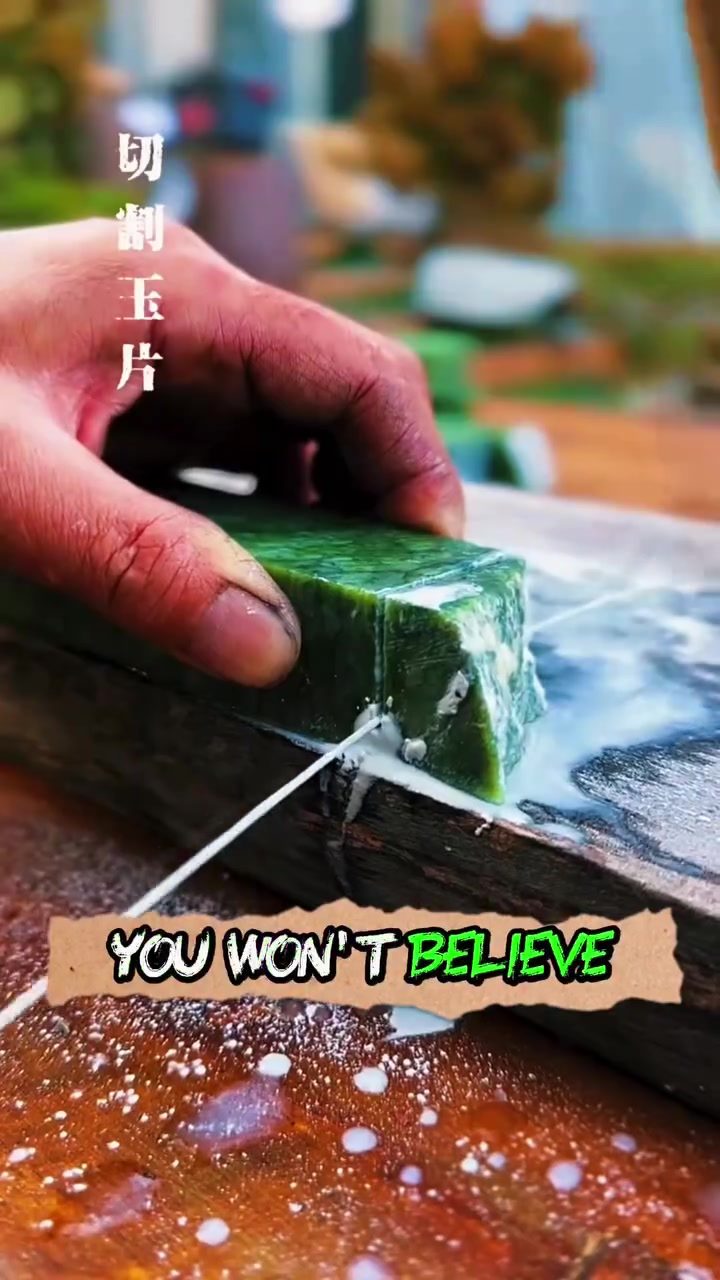
Crafting Ancient Chinese Wire Art
Wire art, particularly the intricate and delicate work of ancient Chinese artisans, stands as a testament to human creativity and skill. The meticulous process of crafting wire art, as demonstrated in the intricate creation of a 2,000-year-old gold-threaded jade suit, showcases the pinnacle of ancient craftsmanship. This craft was not just an art form but also a symbol of power and status for Han Dynasty nobles.
Why This Matters
The craftsmanship involved in creating these wire art pieces is unparalleled. Each piece, whether it's a jade suit or another intricate design, requires extreme patience, precision, and dedication. The rarity of these artifacts—with only a handful of originals still in existence—underscores their significance in ancient Chinese culture. Understanding the process and the craftsmanship behind these artifacts offers a deeper appreciation for the artistry and cultural heritage of ancient China.
The Art of Wire Art
Historical Significance
The gold-threaded jade suit, one of the rarest treasures from ancient China, was worn by Han Dynasty nobles as a symbol of power and status. This piece is a prime example of the intricate and detailed work that went into creating wire art during this period. The jade suit is more than just an artifact; it represents the pinnacle of ancient Chinese craftsmanship. The suit was created by meticulously cutting, polishing, and stitching together over 2,000 jade pieces with gold wire by hand. This process highlights the dedication and skill of the artisans who created these masterpieces.
The Crafting Process
The process of creating a gold-threaded jade suit is incredibly complex. Each jade piece had to be carefully cut and polished to ensure uniformity and precision. The pieces were then stitched together with gold wire, a task that required not only technical skill but also immense patience. The wire had to be manipulated with extreme care to avoid damaging the delicate jade pieces. This meticulous process resulted in a suit that was both aesthetically pleasing and structurally sound, a true testament to the artisans' dedication and craftsmanship.
Types of Wire Art
While the gold-threaded jade suit is one of the most well-known examples of ancient Chinese wire art, there are many other types of wire art that showcase the same level of craftsmanship. These include:
Jade Artifacts
Jade has been a highly valued material in Chinese culture for thousands of years. The intricate carvings and designs on jade artifacts often required the use of wire to create delicate details. The softness and malleability of gold wire made it an ideal choice for this purpose.
Other Precious Metals
In addition to gold, other precious metals such as silver and copper were also used in wire art. These metals were often used to create intricate patterns and designs on various artifacts, including jewelry, religious objects, and decorative items.
Everyday Objects
While precious metals and jade were often used in high-status artifacts, wire art was also used in more everyday objects. These included tools, weapons, and household items. The craftsmanship and attention to detail in these objects reflect the same level of skill and dedication as in higher-status artifacts.
Practical Tips for Wire Art
While recreating ancient Chinese wire art requires a high level of skill and patience, there are some practical tips that can help aspiring artisans:
Choose the Right Materials
Selecting the right materials is crucial for creating wire art. For beginners, it's recommended to start with softer materials like copper or aluminum wire. These materials are easier to manipulate and bend, making them ideal for practice. As skills improve, artisans can move on to more challenging materials like gold or silver.
Master Basic Techniques
Before attempting complex wire art projects, it's important to master basic techniques. These include bending, twisting, and looping. Practicing these techniques regularly will help develop the necessary hand-eye coordination and fine motor skills required for more intricate work.
Use the Right Tools
Having the right tools can make a significant difference in the quality of the final product. Essential tools for wire art include wire cutters, pliers, and a variety of gauges. Investing in high-quality tools will not only make the crafting process easier but also result in a more polished final product.
Take Your Time
Wire art is a meticulous and time-consuming process. Rushing through the steps can lead to mistakes and a less-than-perfect final product. Taking your time and focusing on each detail will result in a piece that showcases your skill and dedication.
Important Takeaways
Appreciate the Craftsmanship
Understanding the intricacies and dedication involved in creating wire art allows us to appreciate the craftsmanship even more. The attention to detail and the precision required to craft these pieces are truly remarkable. These skills have been passed down through generations of artisans, each adding their unique touch to the art form.
Preserve Cultural Heritage
The creation of wire art is not just about the craftsmanship; it's also about preserving cultural heritage. By learning and practicing this art form, we help keep the traditions and techniques of ancient Chinese artisans alive. This preservation ensures that future generations can appreciate and learn from these remarkable pieces.
Practice and Patience
Creating wire art requires a great deal of practice and patience. It's a craft that demands precision and attention to detail. For those who are willing to put in the time and effort, the rewards are immense. The satisfaction of completing a piece and knowing that you've contributed to preserving an ancient art form is unparalleled.
Conclusion
The art of crafting ancient Chinese wire art is a testament to human ingenuity and skill. From the intricate gold-threaded jade suit to other precious metal and jade artifacts, each piece showcases the dedication and craftsmanship of ancient Chinese artisans. By appreciating and preserving this art form, we not only honor the past but also ensure that future generations can continue to marvel at the beauty and complexity of wire art. Whether you're an aspiring artisan or simply an admirer of ancient craftsmanship, the world of wire art offers a rich and rewarding journey into the heart of ancient Chinese culture.
Questions readers ask
What materials were used to create the gold-threaded jade suits from the Han Dynasty?
The gold-threaded jade suits were crafted using two primary materials: jade and gold. The suits were constructed from thin, intricate gold threads that were meticulously woven together. These threads were then adorned with jade pieces, creating a stunning and durable artifact.
How were the ancient Chinese jade suits created?
The creation of ancient Chinese jade suits involved a complex process. Artisans would first carefully carve small jade pieces and then connect them using gold thread. This required exceptional precision and skill to ensure the suits were both aesthetically pleasing and structurally sound.
What is the historical significance of Han Dynasty jade suits?
Han Dynasty jade suits hold immense historical significance as they served as symbols of power and status for nobles during that era. These suits have provided valuable insights into the artistry and craftsmanship of ancient Chinese culture, showcasing the meticulous techniques employed by artisans during this period.
Why are the gold-threaded jade suits so rare today?
The rarity of gold-threaded jade suits today can be attributed to their delicate nature and the passage of time. Only a handful of these artifacts remain due to their fragility and the need for meticulous preservation. Additionally, many were likely lost or destroyed over the centuries, making them extremely valuable and hard to find.
What techniques were employed in ancient Chinese wire art?
Ancient Chinese wire art involved several advanced techniques, including precise gold threading and intricate jade carving. Artisans would weave gold threads through tiny perforations in jade pieces, creating intricate patterns and ensuring the suits were both strong and beautiful.
How did the creation of jade suits reflect the artisanal skills of the Han Dynasty?
The creation of jade suits in the Han Dynasty reflects the high level of artisanal skills through the use of intricate wire art techniques. Each suit required a deep understanding of materials and a high degree of precision, showcasing the artisans' dedication and expertise in gold-threaded jade crafting.
What makes the jade suit craftsmanship of the Han Dynasty unique?
The jade suit craftsmanship of the Han Dynasty stands out due to its unparalleled precision and meticulous attention to detail. The combination of delicate gold threading and finely carved jade pieces creates a unique and sophisticated art form that has few parallels in other ancient cultures.
Related deep dives
Similar reads based on topic and creator.




Recent articles
Fresh deep dives from the latest Reels we unpacked.




Comments
Be the first to comment.