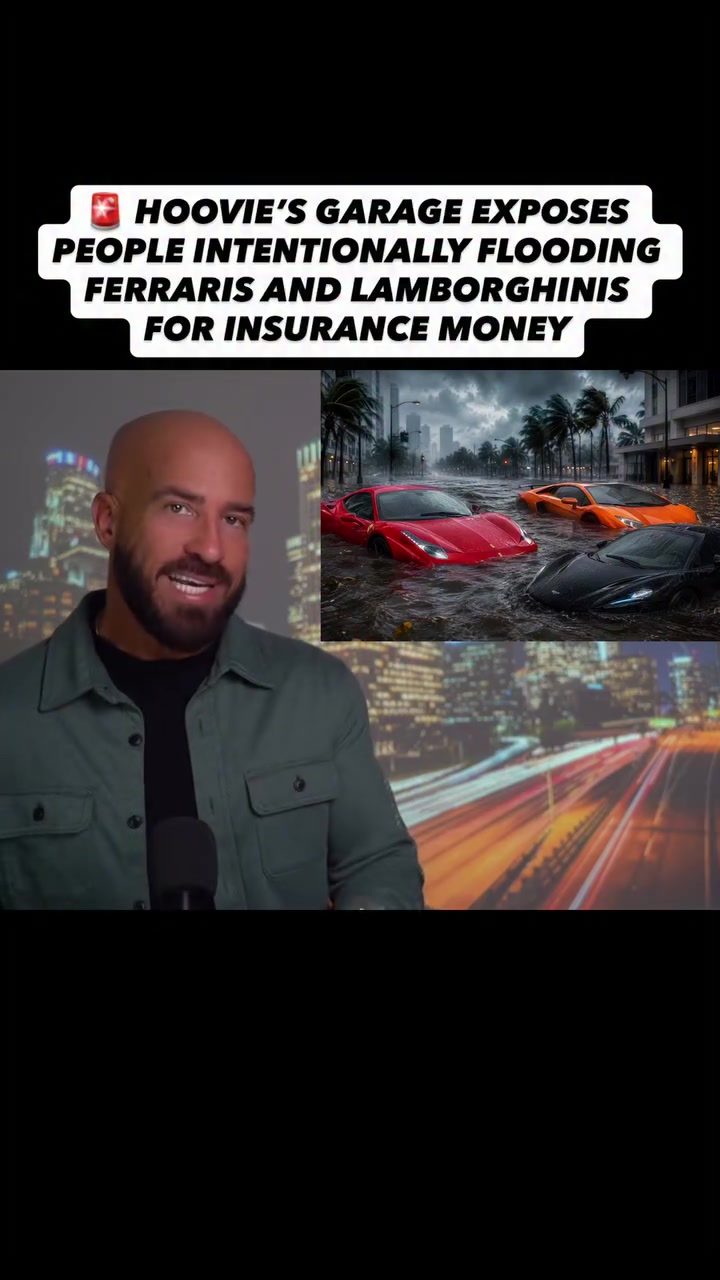
Flooded Luxury Cars: A Growing Problem of Insurance Fraud
In severe storms and hurricanes, luxury cars like Ferraris, Lamborghinis, and McLarens are being parked in flood zones to collect hundreds of thousands of dollars in insurance payouts. This practice, though surprising, is becoming increasingly common, especially in hurricane-prone areas like Florida. The most infamous case involves a Bugatti Veyron driven into a lake, leading to the owner's arrest for insurance fraud.
Why This Matters
This issue goes beyond the shock value of seeing high-end vehicles submerged in water. It has significant implications for insurance rates and the broader automotive community. When car owners intentionally flood their vehicles, they are driving up insurance premiums for everyone. This fraudulent activity makes it more expensive for honest car owners to maintain their insurance coverage, creating a ripple effect that impacts the entire market.
Key Aspects of Flooded Luxury Cars
The Mechanisms of Insurance Fraud
Insurance fraud involving luxury cars typically follows a similar pattern. Owners intentionally park their vehicles in areas prone to flooding, wait for the flood to occur, and then claim the damage as an act of nature. This practice is particularly prevalent in regions like Florida, where hurricanes are frequent. It has become almost a common tactic for some to predict where a hurricane will hit and park their cars in those areas.
The Role of Insurance Policies
The type of insurance policy plays a crucial role in this fraudulent activity. Cars that are covered under agreed value or capped insurance plans are often the ones targeted. Owners who are upside down on their loans—owing more on the car than it's worth—find this particularly attractive. For instance, if someone has a Ferrari SF90 that they paid $700,000 for, and they are $300,000 upside down, intentionally flooding the car could result in a significant payout.
Notable Cases
One of the most famous cases of this type of fraud involves a Bugatti Veyron. The owner drove the car straight into a lake and claimed it was an accident. The incident was captured on video and quickly went viral. The owner later went to jail briefly for insurance fraud. This case highlights the brazen nature of these schemes and the lengths to which some will go to collect insurance money.
Practical Tips for Protecting Your Car from Flood Damage
While the actions of fraudulent car owners are distressing, there are steps that legitimate car owners can take to protect their vehicles from flood damage:
Regularly Check Flood Zones
If you live in an area prone to flooding, it's essential to stay updated on flood zones and avoid parking your car in these areas, especially during severe weather conditions.
Review Your Insurance Policy
Understand the terms of your insurance policy. Make sure you know what is covered and what is not. Consider getting comprehensive coverage that includes flood insurance if you live in a high-risk area.
Secure Your Vehicle
When severe weather is forecast, secure your vehicle in a safe location. Garages, covered parking spaces, and elevated platforms can provide additional protection against flooding.
Monitor Local Weather
Stay informed about local weather conditions. Use weather apps and alerts to stay ahead of potential storms and take necessary precautions to protect your car.
Important Takeaways
The intentional flooding of luxury cars for insurance payouts is a growing problem that impacts everyone. Not only does it result in higher insurance rates, but it also creates a dangerous precedent. Car owners who engage in this fraudulent activity are not only breaking the law but also contributing to a culture of dishonesty that affects the entire community.
Conclusion
The issue of luxury cars being intentionally flooded for insurance money is a complex one. It involves not only the owners who engage in this fraudulent activity but also the broader implications for the automotive and insurance industries. By staying informed and taking proactive measures, car owners can protect their vehicles and contribute to a more honest and transparent market.
Questions readers ask
What are some signs that a luxury car has been intentionally flooded for insurance fraud?
To spot potential fraud, look for inconsistencies in the car's history, such as recent ownership changes or gaps in service records. Additionally, check for signs of forced entry, like broken locks or windows, and examine the interior for signs of water damage that may not match the exterior condition. If the car was allegedly flooded in a specific event, verify the event's timing and location against the car's reported history.
Which luxury car models are most commonly targeted in flood insurance fraud?
High-end, exotic models are frequently targeted due to their high insurance payouts. Examples include Ferraris, Lamborghinis, McLarens, and even ultra-luxury brands like Bugatti. These cars can fetch significant payouts when flooded, making them attractive targets for fraudsters.
How does intentionally flooding a luxury car for insurance payout affect other car owners?
When luxury cars are intentionally flooded for insurance claims, it contributes to increased insurance premiums for all car owners. This is because insurance companies must account for the additional payouts and potential losses due to fraud, leading to higher costs for honest policyholders.
Why are hurricane-prone regions like Florida hotspots for this type of insurance fraud?
Hurricane-prone regions like Florida are prime targets for this fraud due to the frequent severe weather events. These storms provide an opportunity for fraudsters to blame vehicle damage on natural disasters, making it easier to collect insurance payouts without raising immediate suspicion.
What measures can insurance companies take to prevent luxury car flooding fraud?
To combat this issue, insurance companies can implement stricter verification processes for flood-damaged claims, including thorough inspections and documentation checks. Additionally, they can utilize technology like GPS tracking and telematics to monitor vehicle locations during storms and analyze claim patterns to detect unusual activity.
What legal consequences can someone face for intentionally flooding their luxury car for an insurance payout?
Intentional flooding of a luxury car for insurance fraud is a serious crime. Those found guilty can face severe penalties, including hefty fines and imprisonment. For example, the owner of the Bugatti Veyron who drove his car into a lake was arrested and faced legal consequences for his actions.
How can car owners protect themselves and their vehicles from flood-related insurance fraud?
Car owners should ensure their vehicles are parked in safe, elevated locations during storms, and avoid areas prone to flooding. Additionally, they should maintain detailed service records and be cautious of recent ownership changes. If a car has been allegedly flooded, thoroughly inspect it for inconsistencies and verify the flood's timing and location.
Recent articles
Fresh deep dives from the latest Reels we unpacked.




Comments
Be the first to comment.