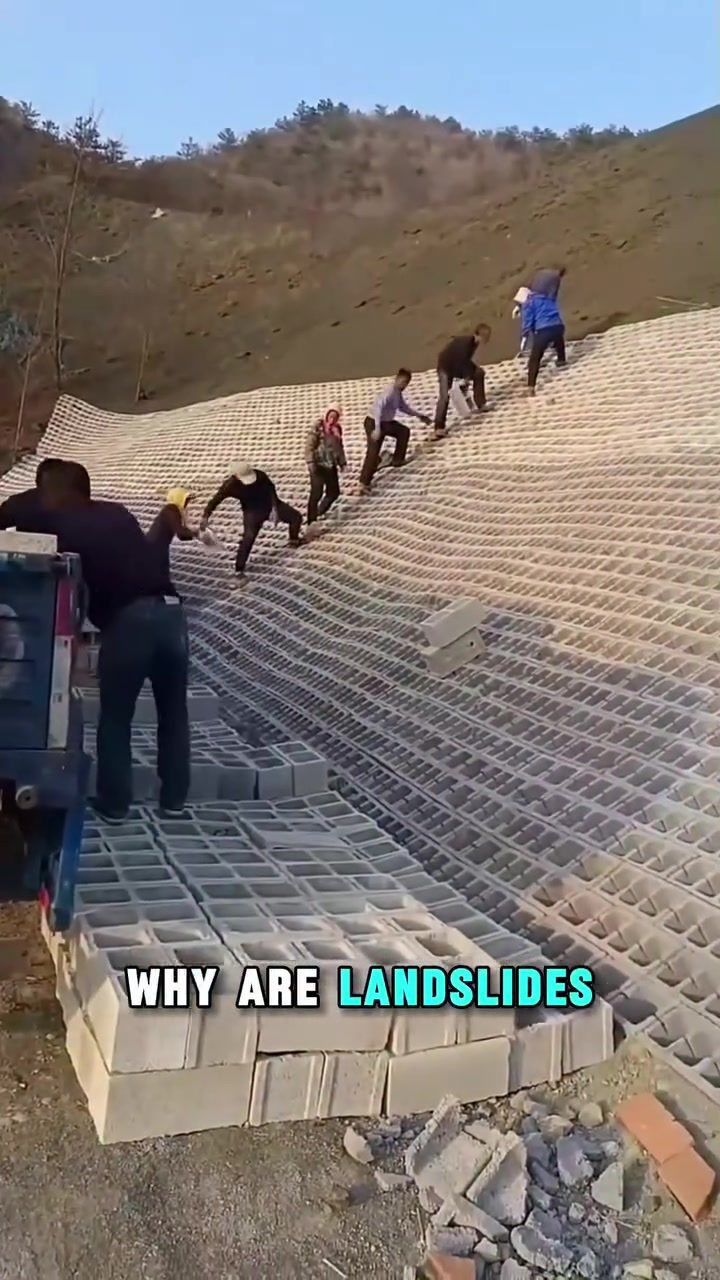
Landslide Prevention with Innovative Construction Techniques
Landslide prevention is a critical aspect of construction, especially in areas prone to heavy rainfall and unstable terrain. Innovative techniques can help mitigate the risks associated with landslides, ensuring the safety and longevity of infrastructure. By employing clever tricks and creative solutions, construction professionals can protect roads, buildings, and other structures from erosion and landslides.
Why This Matters
Understanding how to prevent landslides is essential for maintaining road safety and infrastructure integrity. Landslides can cause significant damage, disrupt transportation, and even lead to loss of life. Knowing the techniques and materials used in landslide prevention can help professionals and enthusiasts alike implement effective solutions in their own projects.
Landslide Prevention Techniques
Using Hollow Blocks and Soil
One of the most effective methods for preventing landslides involves covering slopes with hollow blocks. These blocks are filled with soil and planted with grass, creating a natural barrier that stabilizes the soil. Even during heavy rains, the soil remains in place, reducing the risk of erosion and landslides. This technique is particularly useful in areas with steep slopes and high rainfall.
The soil within the hollow blocks helps to absorb water, preventing it from saturating the underlying layers. The grass grows through the soil, providing a stable root system that further secures the soil in place. This method not only protects the road from erosion but also enhances the aesthetic appeal of the landscape.
Building Water Tanks with Scattered Pipes
Another innovative construction hack involves using scattered pipes to build water tanks. In Nepal, workers arrange these pipes in a giant circle, pour concrete around them, and then remove the pipes after the concrete hardens. The result is a strong, circular tank that evenly distributes pressure and keeps water cool. This method is both cost-effective and practical, utilizing materials that might otherwise be considered scrap.
The circular design of the tank ensures that the pressure is evenly distributed, reducing the risk of cracks and leaks. Additionally, the tank's structure helps to keep the water cool, which is beneficial for maintaining water quality, especially in warmer climates.
Creating Attractive and Durable Paths
A Russian man's creative idea involves transforming plain concrete into a natural-looking stone path. By pouring concrete and pressing plastic bags into the surface, and then removing the bags after the concrete hardens, the plain concrete instantly becomes a natural-looking stone path. This path is not only attractive but also less slippery in the rain, providing a safe and durable surface for pedestrians.
The textured surface of the path improves traction, making it safer for walking, especially in wet conditions. This technique is practical for both residential and commercial settings, adding both functionality and aesthetic value to the landscape.
Managing Water Flow with Drainage Systems
A crucial aspect of landslide prevention is managing water flow effectively. This is often achieved through the use of drainage systems that help control the movement of water on a slope. Workers install a grid-like structure on the hillside, which is then covered with pipes. This system allows water to flow through the pipes, preventing it from pooling and causing erosion. The grid structure helps to stabilize the hillside, further reducing the risk of landslides.
The even distribution of water flow through the pipes ensures that no single area of the hillside becomes over-saturated, minimizing the risk of soil displacement. The visual appeal of the landscape is also maintained, as the drainage system is designed to blend in with the natural surroundings.
Practical Tips for Landslide Prevention
- Assess the Terrain: Before starting any construction, carefully assess the terrain to identify potential risks. Look for areas with steep slopes, loose soil, and high rainfall.
- Use Appropriate Materials: Choose materials that are suitable for the terrain and climate. Hollow blocks, soil, and grass are effective for stabilizing slopes, while pipes and concrete are useful for building water tanks and drainage systems.
- Implement Effective Drainage: Ensure that water flow is managed effectively by installing drainage systems. This will help prevent water from pooling and causing erosion.
- Follow Best Practices: Adhere to best practices in construction, such as using a grid-like structure to stabilize the hillside and creating durable, non-slip surfaces for paths and roads.
- Maintain Regular Inspections: Regularly inspect the construction site for signs of erosion or instability. Early detection can prevent small issues from becoming major problems.
Important Takeaways
- Innovative Techniques: Using hollow blocks, soil, and grass can effectively stabilize slopes and prevent landslides.
- Water Management: Proper water management through drainage systems and water tanks is crucial for preventing erosion and maintaining infrastructure integrity.
- Creative Solutions: Creative solutions, such as creating natural-looking stone paths, can enhance both the functionality and aesthetic appeal of construction projects.
- Durability and Safety: Ensuring that materials and structures are durable and safe is paramount, especially in areas prone to heavy rainfall and unstable terrain.
Conclusion
Preventing landslides requires a combination of innovative techniques, appropriate materials, effective drainage systems, and regular maintenance. By understanding and implementing these methods, construction professionals can ensure the safety and longevity of their projects. Whether it's using hollow blocks and soil to stabilize slopes, building water tanks with scattered pipes, or creating durable and attractive paths with concrete, these practical tips and techniques can help mitigate the risks associated with landslides and erosion.
Questions readers ask
What are some effective techniques for preventing landslides in construction?
Several innovative techniques can be employed, such as using hollow blocks and soil to cover slopes, and constructing water tanks with scattered pipes for drainage. These methods help manage water flow and stabilize the terrain, reducing the risk of landslides.
How can hollow blocks help in landslide prevention?
Hollow blocks are used to cover slopes and absorb water, preventing soil erosion. This technique helps to dissipate the kinetic energy of falling water and reduce the impact on the soil, thereby minimizing the risk of landslides.
What role do scattered pipes play in landslide prevention?
Water tanks with scattered pipes help manage water flow by dispersing it evenly across the terrain. This prevents water from concentrating in one area, which can lead to erosion and landslides. Proper drainage is key to maintaining slope stability, especially in heavy rainfall areas.
Why is slope stabilization important in landslide prevention?
Slope stabilization techniques, such as covering slopes with hollow blocks and soil, help to reinforce the terrain and prevent erosion. By stabilizing slopes, construction professionals can ensure the longevity and safety of infrastructure, even in areas with unstable terrain.
How can construction professionals mitigate landslide risks in heavy rainfall areas?
In heavy rainfall areas, professionals can mitigate landslide risks by employing preventive measures such as building water tanks with scattered pipes and covering slopes with hollow blocks and soil. These techniques help manage water flow and stabilize the terrain, reducing the likelihood of landslides.
What are the benefits of using soil to cover slopes in landslide prevention?
Using soil to cover slopes helps to absorb and disperse water, preventing it from concentrating in one area and causing erosion. This technique also helps to reinforce the slope, making it more resistant to landslides. Additionally, soil can promote vegetation growth, which further stabilizes the terrain.
How does proper water management help in preventing landslides?
Proper water management is crucial for preventing landslides, as excess water can lead to soil erosion and destabilization. Techniques such as constructing water tanks with scattered pipes help to disperse water evenly and reduce the risk of landslides by maintaining slope stability.
Related deep dives
Similar reads based on topic and creator.

Recent articles
Fresh deep dives from the latest Reels we unpacked.




Comments
Be the first to comment.