Train Coupling Systems: From Manual to Automatic
Train coupling systems are the unsung heroes of rail transportation, ensuring that cars remain securely connected as they traverse tracks. This intricate process has evolved significantly over the years, moving from manual methods to advanced automatic systems. Understanding these systems provides insight into the mechanics behind smooth and safe train operations.
Why Train Couplers Matter
Efficient and reliable train coupling systems are crucial for several reasons. They ensure the safe transportation of passengers and goods, maintain schedule integrity, and minimize wear and tear on the tracks. Modern coupling systems also contribute to reduced maintenance costs and enhanced operational efficiency. By understanding the evolution of these systems, we gain a deeper appreciation for the engineering marvels that keep our rail networks running smoothly.
The Traditional Method: Manual Coupling
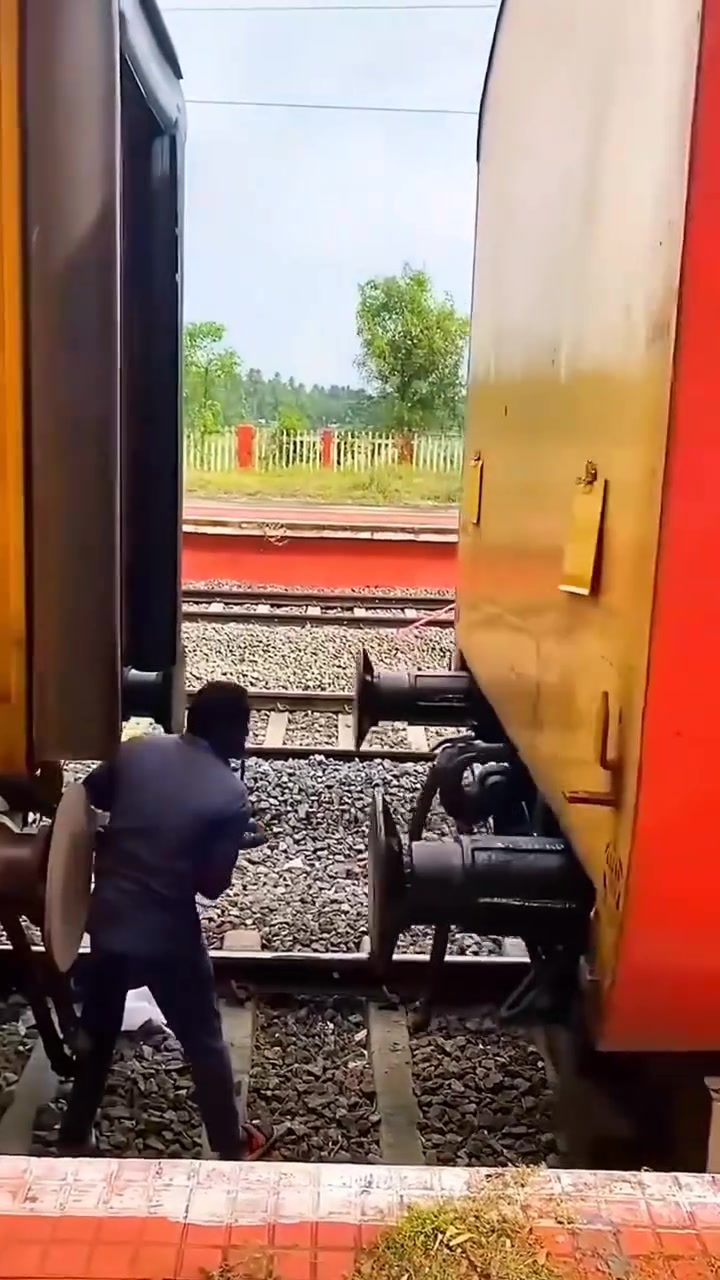
In many parts of the world, particularly in India, manual coupling systems are still in use. This process involves workers manually hooking two train cars together while they are in motion. Workers must tighten the connecting bolts by hand in a gap less than one meter wide. This method is not only dangerous but also inefficient. The risk of injury to workers and the potential for mechanical failure are significant concerns.
The Risks and Challenges
Manual coupling requires precise timing and a high level of skill. Workers must coordinate their actions perfectly to avoid accidents. Additionally, the narrow gap in which they operate limits their maneuverability and increases the risk of injuries. This old-fashioned method also results in longer coupling times, which can impact the overall efficiency of train operations.
Evolution to Mechanical Coupling
Many countries have moved beyond manual coupling systems, adopting mechanical systems that significantly enhance safety and efficiency. One of the most notable advancements is the knuckle coupler.
Mechanical Coupling Systems
Mechanical coupling systems, such as the knuckle coupler, are designed to automatically lock train cars together. These systems work like two giant mechanical hands, locking tightly once aligned. The small gap between the coupled cars also helps reduce unnecessary shaking when trains move along curved tracks.
Advantages of Mechanical Coupling
Mechanical coupling systems offer several advantages over manual methods. They eliminate the need for manual intervention, reducing the risk of injury to workers. These systems also speed up the coupling process, allowing for faster and more efficient train operations. The knuckle coupler, in particular, is known for its reliability and durability, making it a popular choice among many rail networks.
Advanced Automatic Coupling Systems
In addition to mechanical coupling, there are even more advanced systems that further enhance safety and efficiency. These advanced automatic coupling systems are widely used on high-speed trains and offer several unique features.
The Automatic Coupling Process
Activated, a hidden coupler extends from the front cover and automatically connects the electrical systems while locking the train cars together. This seamless process ensures that the electrical systems are connected simultaneously with the mechanical coupling, minimizing any potential disruptions.
Benefits for High-Speed Trains
High-speed trains benefit significantly from advanced automatic coupling systems. These systems ensure that the connection between train cars is both secure and quick, allowing for faster acceleration and safer operations. The automatic nature of these systems also reduces the need for manual intervention, further enhancing safety and efficiency.
Practical Tips for Understanding Coupling Systems
Understanding the different types of train coupling systems can be complex, but it's essential for anyone involved in the rail industry. Here are some practical tips for gaining a deeper understanding:
Study the Mechanics
Familiarize yourself with the mechanical components of coupling systems. Understanding how the knuckle coupler and other systems work can provide valuable insights into their operation and maintenance.
Observe in Action
Whenever possible, observe coupling systems in action. Seeing the process firsthand can help you understand the challenges and benefits of different methods.
Stay Updated
The field of rail engineering is constantly evolving. Stay updated on the latest advancements and technologies in coupling systems to ensure you are using the most efficient and safe methods available.
Important Takeaways
Train coupling systems play a critical role in rail transportation. Understanding the evolution from manual to advanced automatic systems highlights the importance of innovation in this field.
Safety and Efficiency
Safety and efficiency are the primary benefits of modern coupling systems. Mechanical and automatic systems significantly reduce the risk of injury and enhance operational efficiency.
Continuous Improvement
The field of train coupling systems is continually improving. Staying informed about the latest advancements can help ensure that you are using the most effective and safe methods available.
Global Adoption
While manual coupling methods are still used in some countries, the global trend is toward mechanical and automatic systems. Adopting these modern methods can lead to significant improvements in safety and efficiency.
Conclusion
Train coupling systems have come a long way from the dangerous manual methods of the past to the advanced automatic systems used today. Understanding the evolution and benefits of these systems is crucial for anyone involved in the rail industry. By adopting modern coupling methods, we can ensure safer, more efficient, and more reliable train operations.
Questions readers ask
Why is manual train coupling still prevalent in India?
Manual train coupling persists in India due to historical practices and the vast existing infrastructure designed for manual systems. Transitioning to automatic systems requires significant investment and time, which can be challenging for large-scale rail networks.
What are the primary risks associated with manual train coupling?
Manual train coupling poses several risks, including potential injuries to workers who manually connect and disconnect train cars, delays due to human error, and increased wear and tear on equipment. Additionally, manual processes can lead to inconsistencies in coupling strength, affecting overall train stability and safety.
How do modern automatic train coupling systems work?
Modern automatic train coupling systems use advanced technology to seamlessly connect and disconnect train cars without manual intervention. These systems often employ pneumatic or hydraulic mechanisms, along with sensors and control systems, to ensure precise and secure coupling, reducing risks to workers and enhancing operational efficiency.
What are the benefits of transitioning to automatic train coupling in India?
Transitioning to automatic train coupling in India can significantly improve rail safety by reducing the risk of worker injuries and operational errors. It can also enhance overall rail network performance by minimizing delays and maintenance requirements, leading to more reliable and efficient train services.
What are the key differences between manual and automatic train coupling?
The key differences lie in the level of automation and safety. Manual coupling relies on workers to physically connect train cars, which is time-consuming and risky. In contrast, automatic coupling uses mechanical and electronic systems to achieve the same task swiftly and safely, minimizing human involvement and potential errors.
How can automatic train coupling systems enhance rail network efficiency?
Automatic train coupling systems can enhance rail network efficiency by reducing the time needed for coupling and uncoupling processes. This leads to faster turnaround times and fewer delays, allowing for more trains to be operated within the same schedule. Additionally, the reduced wear and tear on equipment means lower maintenance costs and longer equipment lifespans.
Recent articles
Fresh deep dives from the latest Reels we unpacked.




Comments
Be the first to comment.