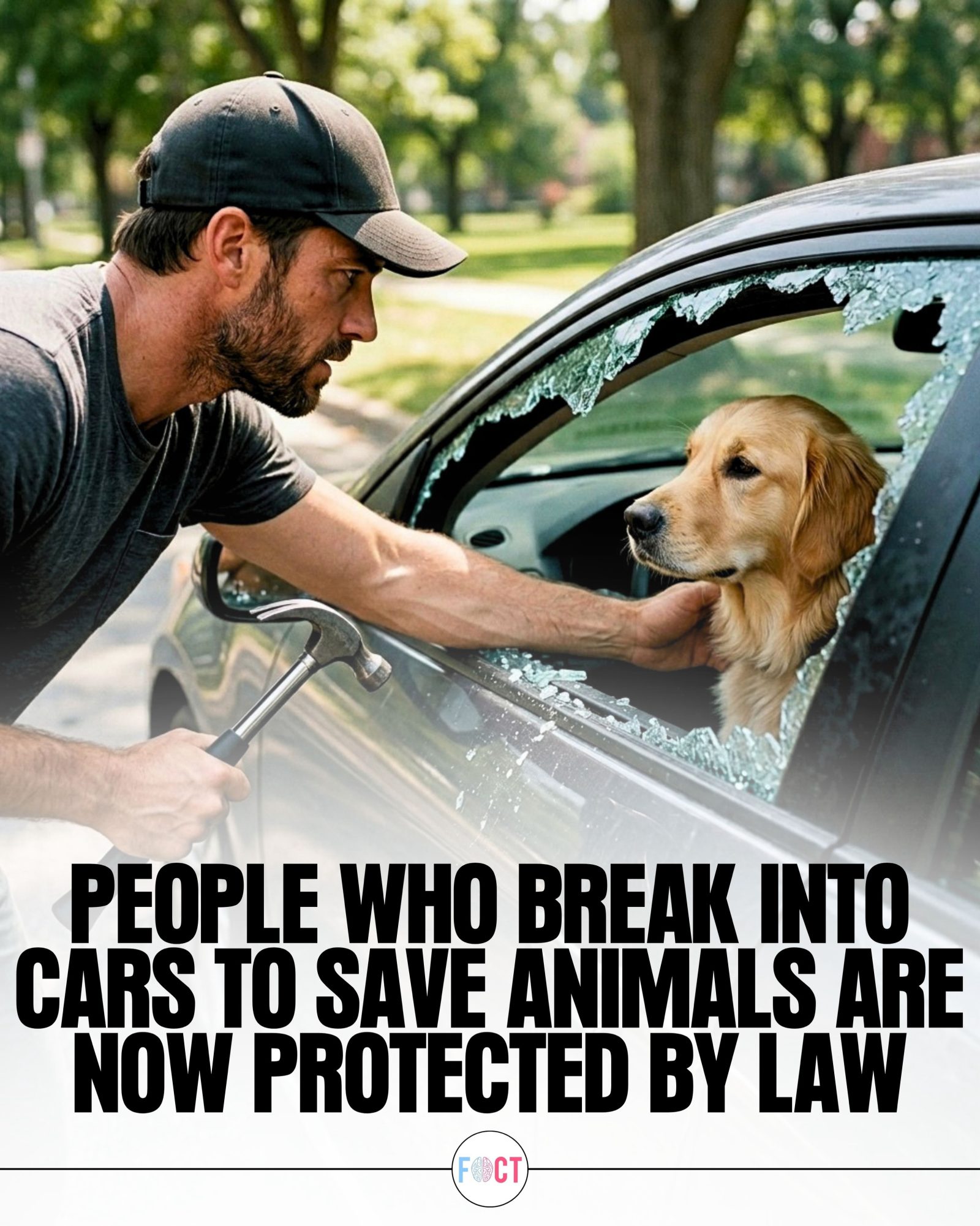
Indiana's New Animal Rescue Law: Protecting Good Samaritans
In Indiana, a significant update to the law is providing greater protection for individuals who intervene to rescue pets trapped in hot cars. House Bill 1165, recently signed by Governor Mike Braun, introduces stronger legal safeguards for Good Samaritans who act in these critical situations.
Why This Matters
The dangers of leaving pets in hot cars are well-documented. Even on relatively mild days, temperatures inside a vehicle can quickly rise to lethal levels, posing a severe risk to animals. Recognizing this, lawmakers in Indiana have taken steps to encourage more people to intervene without fear of legal repercussions.
The New Law: House Bill 1165
Expanded Protections
Under previous rules, individuals who broke a car window to rescue a pet could still be held liable for half the repair costs. The new law eliminates this requirement, providing broader protection for Good Samaritans. This protection extends to both civil and criminal liability, as long as certain conditions are met.
Steps to Follow
To qualify for these protections, individuals must adhere to a set of guidelines. These include:
- Reasonable Belief: You must reasonably believe that the animal is in immediate danger.
- Locked Vehicle: Confirm that the vehicle is locked.
- Contact Authorities: Call 911 or local authorities before taking action.
- Minimal Force: Use only the force necessary to free the animal.
- Stay with the Animal: Remain with the pet until emergency responders arrive.
Effective Date
Although the bill has already been signed, its protections will not take effect until July 1, 2026. This delay allows time for public awareness and potential adjustments.
Practical Tips for Pet Rescue
If you find yourself in a situation where a pet is trapped in a hot car, following these steps can help ensure your safety and the safety of the animal:
- Assess the Situation: Quickly determine if the animal appears to be in distress. Look for signs of heat exhaustion, such as excessive panting, drooling, or lethargy.
- Confirm Locked Status: Ensure the car is locked to confirm that the owner is not present and unable to help.
- Call for Help: Immediately contact local authorities or 911. Provide them with your location and details of the situation.
- Use Minimal Force: If it is clear that the animal is in immediate danger, break the car window using the least amount of force necessary. This might involve using a hammer or other tools.
- Stay with the Animal: Remain at the scene until emergency responders arrive. This ensures that you can provide any necessary first aid and that the animal is not left alone.
Important Takeaways
Legal Implications
The new law aims to remove the barrier of potential legal consequences, encouraging more people to act in emergency situations. By following the outlined steps, individuals can help ensure they are protected under the law.
Public Awareness
As the effective date approaches, it's crucial for the public to become familiar with the new guidelines. Awareness campaigns and community outreach can help spread the word about the updated protections and the steps to follow.
Conclusion
Indiana's new animal rescue law is a significant step forward in protecting pets and those who step in to help. By providing legal protections and clear guidelines, the state is encouraging more individuals to act in emergency situations. As the effective date approaches, staying informed and prepared can make a critical difference in saving a pet's life.
Questions readers ask
What does Indiana's House Bill 1165 aim to achieve?
House Bill 1165 aims to provide clearer legal protections for individuals who rescue pets from hot cars. The law outlines specific steps and conditions to ensure that Good Samaritans can act quickly and decisively to save animals from harm, all while minimizing legal risks.
What should I do if I see a pet in a hot car in Indiana?
If you see a pet in a hot car in Indiana, call local law enforcement or animal control first. If the pet appears to be in immediate danger and you cannot reach authorities in time, House Bill 1165 allows you to take reasonable steps to remove the pet from the vehicle. However, it's crucial to follow the guidelines set by the law to ensure your actions are legally protected.
Are there specific conditions I must meet to be protected under House Bill 1165?
Yes, to be protected under House Bill 1165, you must follow specific steps. These include contacting local law enforcement or animal control, assessing the pet's condition, and acting in a reasonable and non-destructive manner. The law also requires that you remain at the scene until authorities arrive to verify that the pet was in danger.
What are the potential consequences if I damage a vehicle while rescuing a pet?
House Bill 1165 provides legal protections for individuals who act in good faith to rescue a pet from a hot car, even if they cause damage to the vehicle. However, it is important to act reasonably and only use force as a last resort. Following the law's guidelines will help ensure that you are protected from civil liability for any damage caused during the rescue.
Does House Bill 1165 apply to all types of vehicles?
House Bill 1165 applies to all types of vehicles, including cars, trucks, and SUVs. The law is designed to address the specific risks that pets face when left in enclosed, heated spaces. Therefore, the protections extend to any situation where a pet is trapped in a vehicle and at risk due to high temperatures.
What happens if the pet's owner returns while I am in the process of rescuing the pet?
If the pet's owner returns while you are in the process of rescuing the pet, it's important to remain calm and explain the situation clearly. Inform the owner that you are acting in good faith to save the pet's life, and that you are following the guidelines set by House Bill 1165. It is always best to cooperate with the owner and authorities to ensure a smooth resolution.
Is there a time limit for how long a pet can be left in a hot car before intervention is necessary?
There is no specific time limit outlined in House Bill 1165, but it is important to act quickly in any situation where a pet is left in a hot car. Temperatures inside a vehicle can rise rapidly, even on mild days, making it essential to assess the pet's condition and take immediate action if the animal appears to be in distress.
Recent articles
Fresh deep dives from the latest Reels we unpacked.




Comments
Be the first to comment.