Microplastics in Water and the Innovative Solution by Indian Teenagers
Microplastics in water are a growing concern worldwide. These tiny plastic particles, often invisible to the naked eye, have been detected in various water sources. Their removal typically requires sophisticated and expensive filtration systems. However, a group of Indian teenagers has developed a surprisingly simple and effective solution to tackle this problem.
The Teenage Innovators
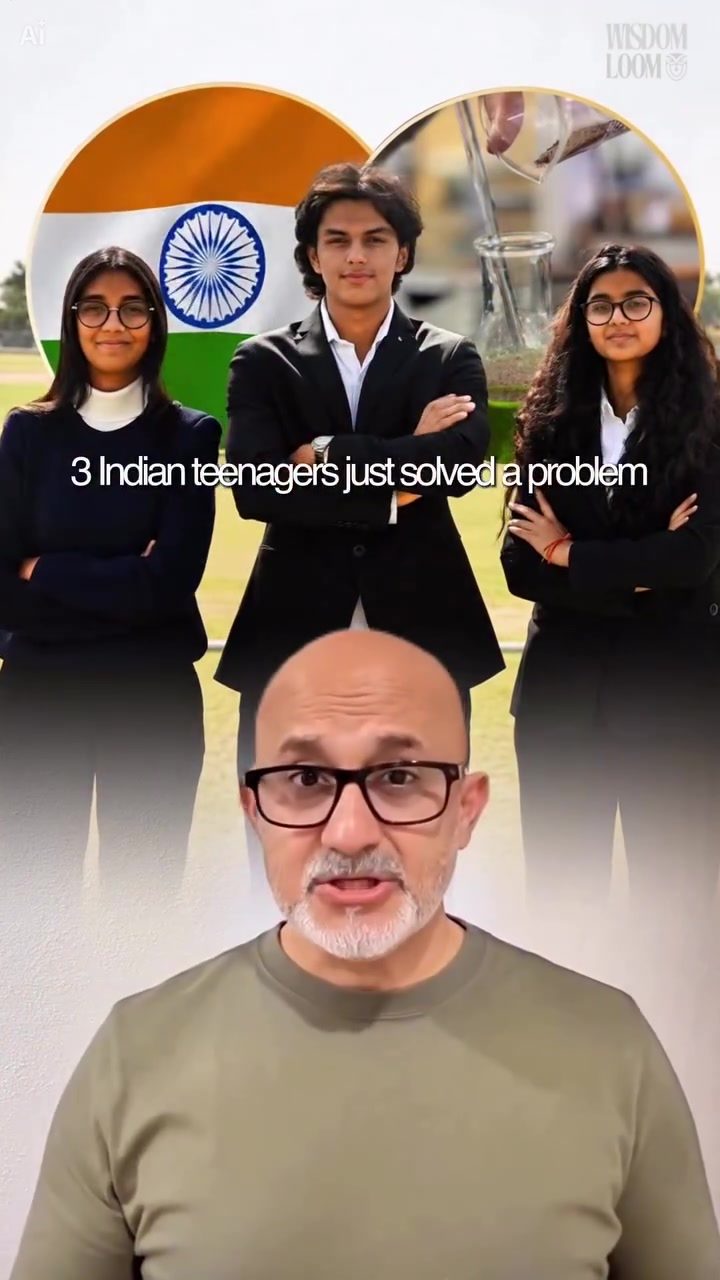
Meet Aviana Mehta, Ariana Agarwal, and Vivant Chacharya. At just 16 years old, these teenagers have made a significant mark in the environmental sector. They are the first Indian team to win the global Earth Prize, an environmental competition for students.
Plas-Stick: The Solution
Their invention, called Plas-Stick, is a biodegradable powder made from discarded tamarind seeds. This powder has a remarkable property: it attracts and binds tiny microplastic particles into visible clumps. Once the microplastics are clumped together, they can be easily removed using a handheld magnet. This process requires no electricity or expensive machinery, making it a low-cost solution that can be implemented even in communities with limited resources.
The Inspiration Behind Plas-Stick
The idea for Plas-Stick came after the team observed the widespread presence of microplastics in water sources. They realized that existing filtration systems, while effective, are often too costly and complex for many communities. Inspired by the need for a more accessible solution, the teenagers set out to create a product that would be both effective and affordable.
The Importance of Addressing Microplastics
Microplastics pose a significant threat to both human health and the environment. These tiny particles can be ingested by marine life and eventually make their way into the food chain. Moreover, microplastics can accumulate in water sources, affecting water quality and posing health risks to communities that rely on these sources for drinking water. The presence of microplastics in water is a global problem, but it is particularly concerning in areas with inadequate water treatment infrastructure. Developing countries, where access to clean water is already a challenge, are especially vulnerable to the impacts of microplastic pollution.
The Environmental Impact
Plas-Stick addresses several critical aspects of environmental sustainability. Firstly, it is made from a biodegradable material, reducing waste and promoting sustainability. Secondly, its low-cost implementation makes it accessible to underserved communities, ensuring that even those with limited resources can benefit from clean water. Finally, the minimal infrastructure required for its use means that it can be deployed in a wide range of settings, from urban areas to rural communities.
Practical Tips for Implementing Plas-Stick
Step 1: Preparation
- Before using Plas-Stick, ensure that the water source is free from large debris or contaminants that could interfere with the process.
- Measure the appropriate amount of Plas-Stick powder needed for the volume of water to be treated. As a general rule, one teaspoon of powder can treat approximately 1 liter of water.
Step 2: Application
- Add the powder to the water and stir gently to ensure it is evenly distributed. Allow the mixture to sit for a few minutes so the powder can attract and bind the microplastic particles.
- Observe the water for visible clumps of microplastics. These clumps will be attracted to the handheld magnet, making them easy to remove.
Step 3: Removal
- Use a handheld magnet to skim the surface of the water, collecting the clumps of microplastics. Continue this process until no more clumps are visible.
- Dispose of the collected microplastics responsibly, following local waste management guidelines.
Important Takeaways
The innovation by Aviana Mehta, Ariana Agarwal, and Vivant Chacharya highlights several key takeaways:
- Innovation Can Come from Anywhere: Sometimes the biggest innovations come from unexpected sources. The teenagers' solution demonstrates that age is no barrier to making a significant impact.
- Simple Solutions Can Be Effective: Complex problems do not always require complex solutions. Plas-Stick is a testament to the power of simplicity in addressing global challenges.
- Sustainability Matters: Designed with sustainability in mind, Plas-Stick uses biodegradable materials and requires minimal infrastructure, making it accessible to a wide range of communities.
- Community Impact: The solution is particularly beneficial for underserved communities, where access to clean water is a critical issue. By providing a low-cost, effective method for removing microplastics, Plas-Stick can significantly improve water quality and health outcomes in these areas.
Conclusion
The problem of microplastics in water is a pressing global issue, but innovative solutions like Plas-Stick offer hope. By addressing the challenge with a biodegradable, low-cost, and accessible solution, the teenagers have not only won a prestigious award but also made a meaningful contribution to environmental sustainability. Their work serves as an inspiration, demonstrating that with creativity and determination, even the most daunting problems can be tackled.
Questions readers ask
What is Plas-Stick and how does it work?
Plas-Stick is a biodegradable powder developed by Indian teenagers to combat microplastics in water. It works by clumping tiny plastic particles together, making them easier to remove from water sources. This process simplifies the clean-up of microplastics, which are often too small to be filtered out using traditional methods.
Who are the creators of Plas-Stick?
Plas-Stick was created by three Indian teenagers: Aviana Mehta, Ariana Agarwal, and Vivant Chacharya. These young innovators developed the solution as part of their efforts to address environmental issues, and their invention has gained significant recognition, including winning the global Earth Prize.
How is Plas-Stick different from other microplastic removal methods?
Unlike many existing methods, Plas-Stick is a low-cost and biodegradable solution. It does not require sophisticated or expensive filtration systems, making it an affordable and environmentally friendly option for tackling microplastics in water. Other methods often involve complex technologies that are not as accessible.
What recognition have the teenagers received for their invention?
Aviana, Ariana, and Vivant are the first Indian team to win the global Earth Prize, a prestigious environmental competition for students. This achievement highlights the potential of young minds to develop impactful solutions to global environmental challenges, and it showcases the effectiveness of their Plas-Stick solution.
Can Plas-Stick be used in various water sources?
Yes, Plas-Stick is designed to be versatile and can be used in various water sources, including lakes, rivers, and even wastewater treatment facilities. Its simplicity and affordability make it a practical solution for different environments, helping to combat the widespread issue of microplastic pollution.
What makes Plas-Stick an affordable solution for microplastic removal?
Plas-Stick's affordability comes from its simple composition and the fact that it does not require complex, expensive equipment to function. By using a biodegradable powder that clumps microplastics together, it provides a cost-effective method for removing these pollutants from water, making it accessible for a wider range of applications and communities.
How does Plas-Stick contribute to preventing global microplastic pollution?
Plas-Stick contributes to preventing global microplastic pollution by providing a practical and accessible method for removing microplastics from water. Since microplastics are a pervasive problem in water sources worldwide, the widespread use of Plas-Stick could significantly reduce the amount of microplastics in our water, helping to mitigate this environmental issue on a global scale.
Related deep dives
Similar reads based on topic and creator.

Recent articles
Fresh deep dives from the latest Reels we unpacked.




Comments
Be the first to comment.