Unusual Natural Phenomena
Natural phenomena offer a fascinating glimpse into the extraordinary aspects of our world. These rare occurrences defy our expectations and provide a unique perspective on the wonders of nature. Here are some remarkable examples of unusual natural phenomena.
Why This Matters
Understanding these phenomena helps us appreciate the complexity and diversity of the natural world. These occurrences can be both awe-inspiring and perplexing, providing opportunities to explore the limits of biological and geological processes. Whether it's a unique biological mutation or a fascinating geological formation, these phenomena remind us of the endless surprises nature holds.
Main Discussion
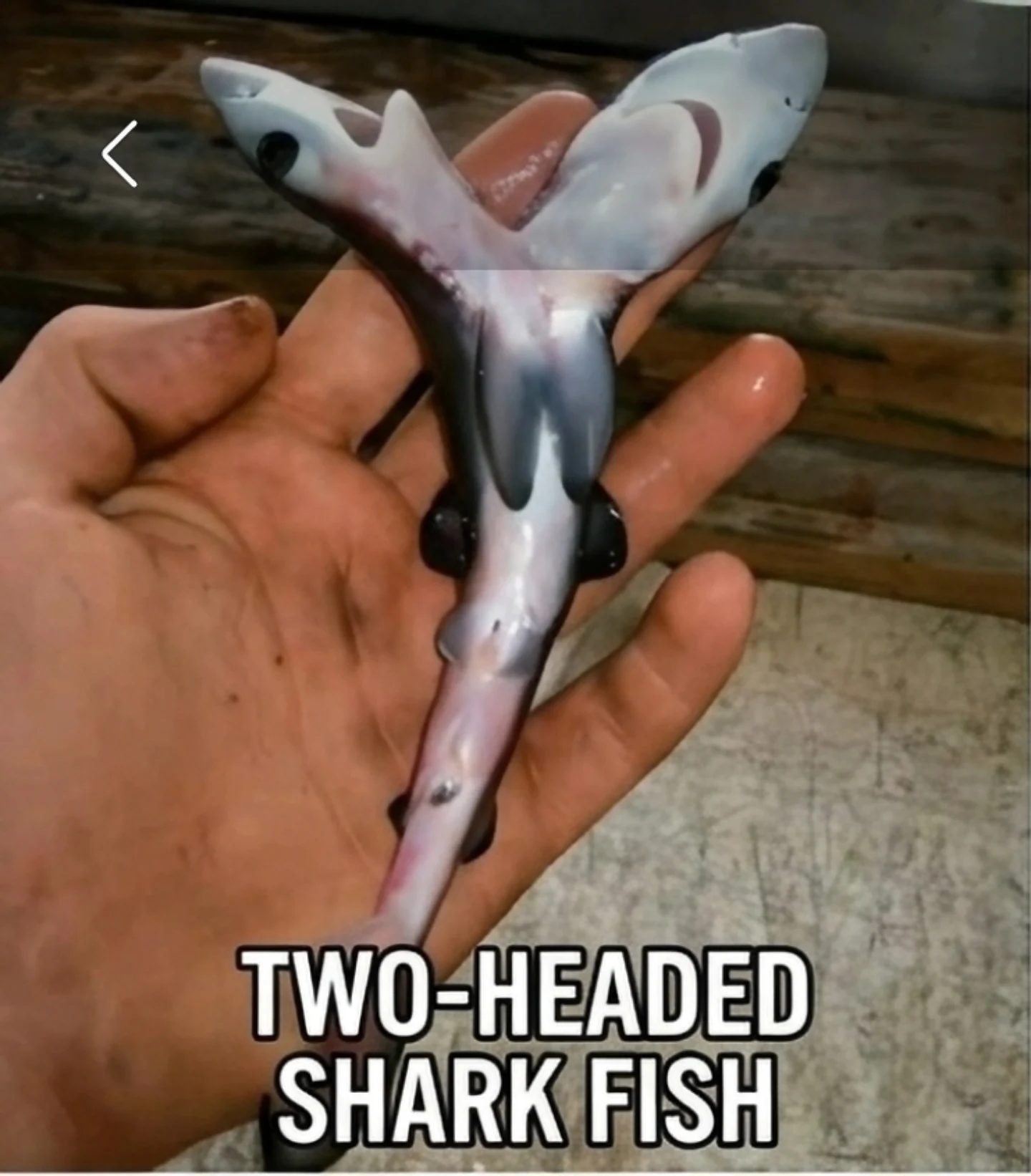
Two-Headed Sharks
Two-headed sharks are a rare and fascinating example of polycephaly, a condition in which an animal is born with two heads. This mutation is often the result of a developmental anomaly that occurs during embryonic development. The two-headed shark is typically found as a preserved specimen, as it is unlikely to survive long in the wild due to the complex challenges of feeding and movement.
The rarity of this condition makes the two-headed shark a subject of scientific interest and public curiosity. However, it is important to note that such mutations are often associated with significant health issues and a shortened lifespan.
Tomato Sprouting New Seeds
Tomatoes sprouting new seeds directly from their flesh is a remarkable phenomenon that showcases the unique reproductive capabilities of plants. This process, known as vivipary, occurs when seeds germinate while still inside the fruit. The sprouting seeds are visible on the tomato's surface, and this demonstrates a unique form of plant reproduction.
Vivipary is more commonly seen in certain plant species, such as mangroves, where it helps ensure the survival of the offspring in harsh environments. In tomatoes, this phenomenon is less common but offers a glimpse into the adaptive strategies of plants.
Snake with Superman Logo
A snake with a skin pattern resembling the Superman logo is a striking example of a visual coincidence in nature. The pattern on the snake's scales closely mimics the iconic Superman 'S' shield, creating a fascinating visual similarity.
This pattern is purely a coincidence and does not carry any biological significance. It serves as a reminder of how nature can sometimes produce designs that mirror human-made symbols, adding an element of surprise and intrigue to the natural world.
Double Pumpkin
The double pumpkin is a rare and unusual growth pattern in pumpkins. This phenomenon occurs when a single pumpkin develops two distinct, rounded sections, giving it a unique double-bulb shape. The double pumpkin is typically an orange, standard variety but with this distinctive twist.
This growth pattern is believed to be the result of genetic or environmental factors that affect the development of the fruit. While it is a rare occurrence, it highlights the versatility and unpredictability of plant growth.
Egg-in-Egg
The "egg-in-egg" anomaly is a fascinating occurrence in the world of poultry. This phenomenon occurs when a smaller egg is found inside a larger egg, creating a unique and intriguing sight. The smaller egg is fully developed and can sometimes even hatch, though this is rare.
The occurrence of an egg-in-egg is a result of a developmental anomaly during the laying process. It is a rare event and is typically discovered through chance inspections. This phenomenon has intrigued scientists and poultry enthusiasts alike, offering insights into the complexities of avian reproduction.
Shipwreck
The abandoned shipwreck near Magnetic Island, reclaimed by a lush mangrove forest, is a striking example of nature's resilience and the passage of time. The shipwreck, dating back to 1916, has been transformed into a natural habitat, showcasing the power of nature to reclaim and repurpose human structures.
This shipwreck serves as a poignant reminder of the impermanence of human achievements and the enduring force of nature. The mangrove forest has not only reclaimed the ship but also created a unique ecological niche, providing a habitat for various marine and terrestrial species.
Tree Trunk
The tree trunk with patterns resembling Van Gogh’s "The Starry Night" is a beautiful example of the artistic side of nature. The intricate swirling patterns and vibrant colors on the tree's surface evoke the iconic painting, creating a stunning visual resemblance.
Naturally occurring patterns in tree trunks and bark can sometimes mimic famous artworks or other recognizable designs. This tree trunk demonstrates how nature can produce visually stunning and unexpected art, inviting viewers to appreciate the beauty in the natural world.
Practical Tips
Exploring unusual natural phenomena can be a rewarding experience. Here are some tips to help you make the most of your observations:
- Stay Curious: Always keep an eye out for the unusual and extraordinary in nature. Curiosity can lead to fascinating discoveries and a deeper appreciation for the natural world.
- Document Your Findings: Take photographs and keep notes on any unusual natural phenomena you encounter. This can help you share your discoveries with others and contribute to scientific knowledge.
- Research and Learn: Use reliable sources to learn more about the phenomena you observe. Understanding the science behind these occurrences can enhance your appreciation for nature.
- Respect Nature: Always approach natural phenomena with respect and care. Avoid disturbing or damaging the environment, and follow ethical guidelines for observing and documenting natural phenomena.
- Engage with Experts: Connect with experts in the field, such as biologists, geologists, or botanists, to gain deeper insights into the phenomena you encounter. Their expertise can provide valuable context and understanding.
Important Takeaways
Unusual natural phenomena offer a wealth of knowledge and a deeper understanding of the natural world. Whether it's observing a two-headed shark, a snake with an unusual pattern, or a double pumpkin, these occurrences provide a unique perspective on the complexity and diversity of nature.
They also remind us of the importance of preserving and protecting the natural environment, as these rare and extraordinary events are often fragile and vulnerable to human impacts.
Conclusion
The natural world is full of wonders and surprises that continue to captivate and inspire us. By exploring and appreciating these unusual natural phenomena, we gain a deeper appreciation for the intricate workings of nature and the beauty that surrounds us. Whether through scientific curiosity or artistic appreciation, the study of these phenomena enriches our understanding and connection to the natural world.
Questions readers ask
What are some examples of natural mutations in animals?
Natural mutations in animals include fascinating occurrences like two-headed sharks and double-headed snakes. These mutations provide insight into the reproductive capabilities and genetic diversity of different species. Such examples highlight the extraordinary aspects of the natural world and the unique biological processes at play.
Can plants exhibit natural mutations as well?
Yes, plants can also exhibit natural mutations. For instance, tomatoes sprouting new seeds from their skin is an unusual but real phenomenon. These mutated plants and animals are examples of nature's mutants that showcase the complexity and diversity of life on Earth.
Are there other examples of extraordinary mutations in animals besides two-headed sharks?
Yes, there are several other extraordinary mutations in animals. These include two-headed snakes and other two-headed animals. These rare natural phenomena are a testament to the vast array of mutations that can occur in the natural world, often inspired by the diversity of genetic information and natural selection processes.
What causes these unusual natural phenomena?
These unusual natural phenomena are typically caused by genetic mutations, which can occur spontaneously during reproduction. Environmental factors, such as exposure to chemicals or radiation, can also play a role. These mutations can result in remarkable and extraordinary examples of nature's diversity, from mutated plants to spectacular animal mutations.
How rare are two-headed sharks and other similar mutations?
Two-headed sharks and similar mutations are extremely rare. Such occurrences are not typically sustainable and often result in the death of the organism. These natural mutations are a testament to the vast diversity of genetic information in the natural world and the complex biological processes that can result in these extraordinary examples.
What can we learn from these rare natural phenomena?
These rare natural phenomena offer a unique perspective on the natural world and its processes. They remind us of the potential for diversity and surprise in the world around us. They provide opportunities to explore the limits of biological and geological processes and can inform our understanding of genetic mutations and the ways in which life evolves.
Are there any documented cases of mutated plants and animals with superman-like capabilities?
While the idea of mutated plants and animals with superhuman-like capabilities is a popular theme in fiction, there are no documented cases of real-life examples like these. However, there are many other extraordinary mutations in nature that showcase the diversity of genetic information and the biological processes at work in the natural world.
Related deep dives
Similar reads based on topic and creator.




Recent articles
Fresh deep dives from the latest Reels we unpacked.




Comments
Be the first to comment.