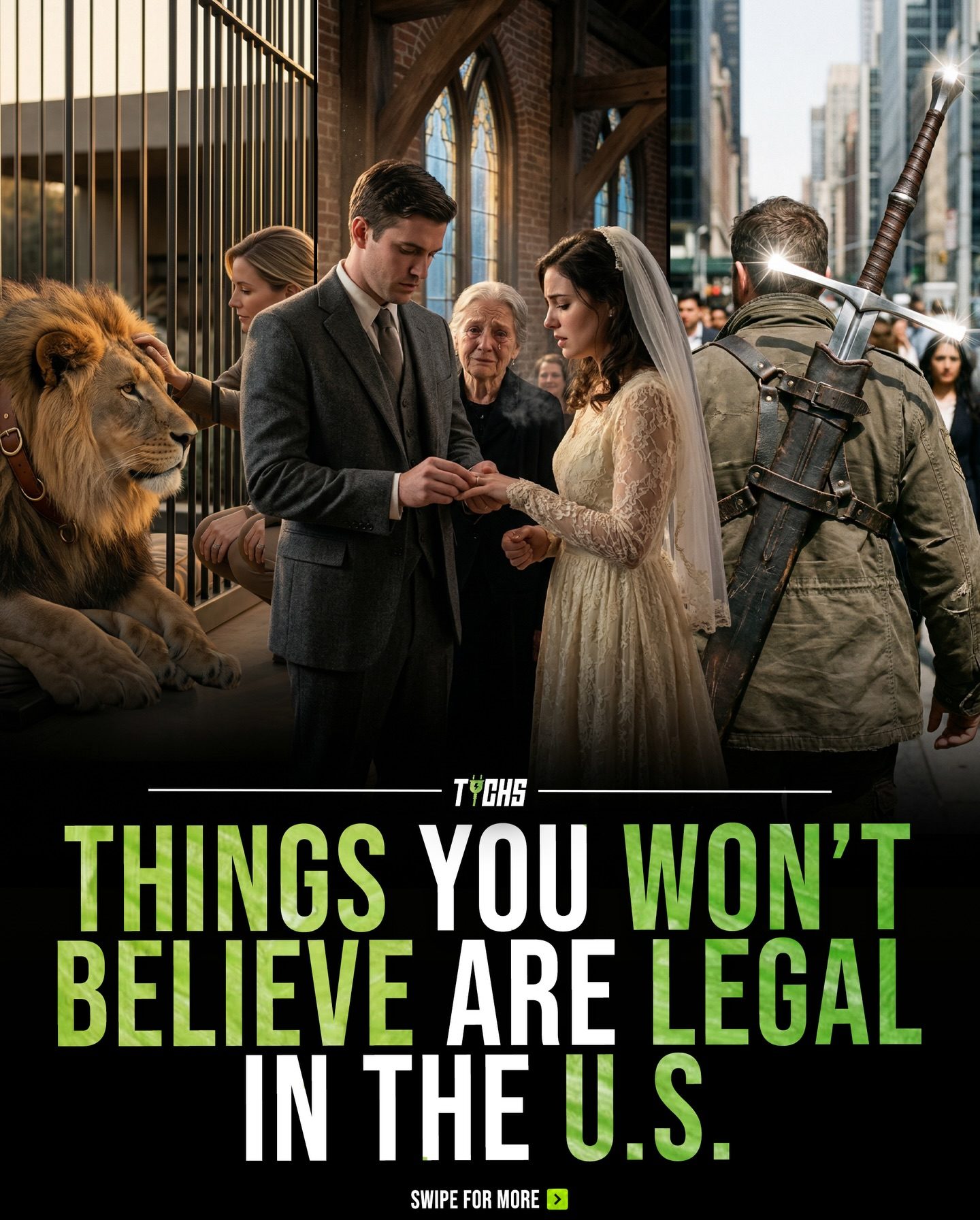
Legal Oddities in the U.S.
For all that binds us, the United States is a mosaic of laws and regulations, varying widely from state to state. Some laws are so peculiar or controversial that they challenge our perceptions of what is acceptable or safe. For example, it is legal to purchase and operate flamethrowers in most states, with few federal restrictions in place. Meanwhile, collecting roadkill for food is permitted in several states, although specific permits are often required. This article delves into such legal oddities across the U.S., highlighting how regional laws can lead to surprising and sometimes concerning practices.
Context / Why this matters
Understanding the legal landscape of the U.S. is crucial for navigating everyday life, especially when traveling or relocating. While some laws might seem odd or even alarming, they are rooted in historical context, local customs, and specific needs. This variety underscores the importance of being well-informed to avoid unintended legal issues.
Main discussion
Cousin Marriage
As seen in the visualization, one of the most surprising legal facts is that marrying your first cousin is allowed in 19 U.S. states. However, this permission is not without restrictions. Many states impose conditions or specific regulations to prevent certain genetic risks.
Cousin marriage has been a subject of debate for centuries, with arguments ranging from genetic concerns to cultural acceptance. While the legal status varies widely, it’s important to recognize that these laws are often shaped by both scientific and societal considerations.
Wild Animal Ownership
In some U.S. states, it is legal to own dangerous wild animals, including lions and other big cats, under strict permits. While the idea of owning such animals might seem exotic, the regulations surrounding their ownership are often stringent due to safety and welfare concerns.
Owners must typically obtain special permits, provide adequate habitats, and ensure the animals are handled by professionals. Despite these regulations, the legalization of such ownership raises significant safety and ethical questions. Incidents involving wild animals have shown that even with permits, there are inherent risks.
Sword Carrying
Openly carrying a sword is legal in many U.S. states. However, concealed carry is often restricted under state laws. This distinction highlights the nuanced approach to weapon laws in the U.S. While the open display of swords is permissible, the concealed carry of such weapons is tightly regulated for safety reasons.
This legal oddity reflects the broader debate on weapon laws in the U.S. The distinction between open and concealed carry aims to balance individual rights with public safety. However, it also underscores the complexities and sometimes contradictory nature of U.S. laws.
Practical tips
Living in such a diverse legal environment requires vigilance and awareness. Here are some practical steps to navigate these legal oddities safely:
-
Do Your Research: Before engaging in any practice, especially when traveling or relocating, research local laws and regulations. Understanding the legal landscape can prevent unintended legal issues.
-
Know the Restrictions: Even if an activity is legal, there may be specific restrictions or conditions. Always familiarize yourself with these details to ensure compliance.
-
Consult Local Authorities: If in doubt, consult local authorities or legal experts. They can provide clear guidance based on current laws and regulations.
-
Stay Informed: Laws can change, so it’s essential to stay informed about updates and amendments. Subscribing to legal resources or newsletters can help you stay current.
Important takeaways
The legal landscape of the U.S. is a complex web of diverse and sometimes surprising laws. From cousin marriage to wild animal ownership and sword carrying, these oddities illustrate the intricacies of U.S. legislation. Understanding these laws is not just about legal compliance; it’s about appreciating the unique cultural and historical contexts that shape them. Whether you are a resident or a visitor, being informed can help you navigate this landscape safely and responsibly.
Conclusion
The legal oddities in the U.S. offer a glimpse into the diverse and sometimes contradictory nature of state laws. While some practices might seem alarming or controversial, they are rooted in specific historical, cultural, and societal contexts. Whether it's the legalization of flamethrowers, the collection of roadkill, or the ownership of dangerous wild animals, these laws reflect the complexity of U.S. legislation. By staying informed and vigilant, individuals can navigate this intricate legal landscape with greater confidence and safety.
Questions readers ask
What are some of the most bizarre laws related to weapons in the U.S.?
Some of the most unusual laws related to weapons allow the purchase and operation of flamethrowers in most states with minimal federal restrictions. Additionally, certain states permit individuals to carry swords openly, as long as they adhere to specific guidelines.
Is it legal to collect roadkill in the U.S.?
Yes, collecting roadkill is permitted in several states, but it often requires specific permits. These permits ensure that the collection is done safely and in compliance with local health and safety regulations.
Can you carry a concealed weapon in all U.S. states?
Concealed carry laws vary significantly across the U.S. Some states have permitless carry laws, while others require permits with specific training or background checks. It's essential to check state-specific regulations before carrying a concealed weapon.
Are there any unusual marriage laws in the U.S.?
Yes, some states allow first cousins to marry, with certain restrictions. For example, some states require genetic counseling before granting a marriage license to first cousins. Other states have outright bans, while others still allow it without restriction.
What are some examples of funny or strange laws in the U.S.?
The U.S. has its share of peculiar laws, such as it being illegal to catch a fish with your bare hands in certain states, or the prohibition of serving wine in teacups in some places. These laws often stem from historical contexts and local customs, adding to the country's legal eccentricities.
How do state-specific laws impact travel and relocation in the U.S.?
Understanding state-specific laws is crucial for travelers and those relocating to the U.S. For example, laws regarding weapons, marriage, and even roadkill collection can vary widely. Familiarizing yourself with these regulations can help avoid legal troubles and ensure a smooth transition.
Related deep dives
Similar reads based on topic and creator.




Recent articles
Fresh deep dives from the latest Reels we unpacked.




Comments
Be the first to comment.